

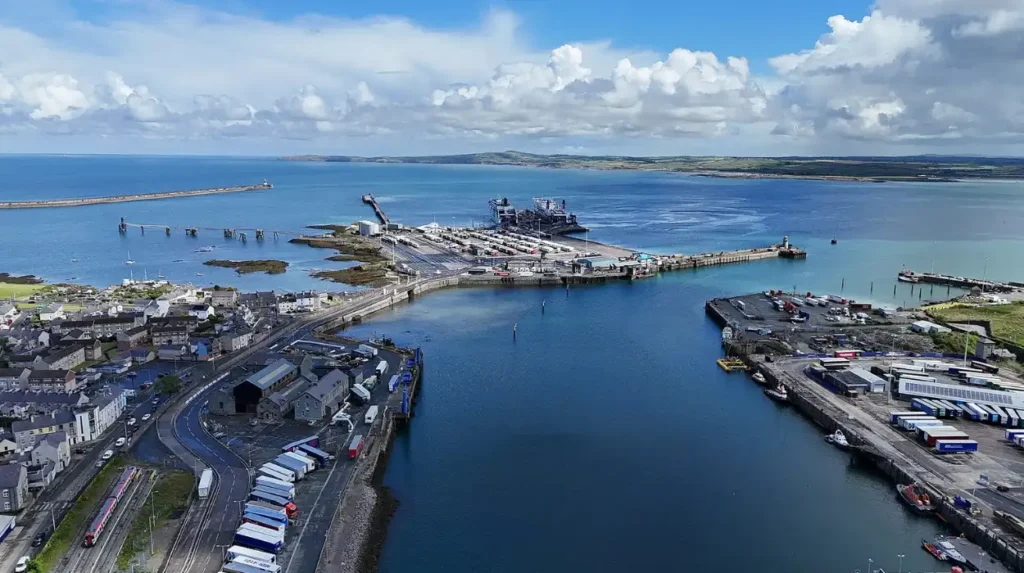
Maritime transport between Wales and Ireland operates across three primary corridors: Holyhead to Dublin, Fishguard to Rosslare, and Pembroke to Rosslare. Holyhead in Anglesey acts as the northern hub, serving passengers heading directly into central Dublin. Fishguard and Pembroke in Pembrokeshire connect south Wales directly to Rosslare Europort in County Wexford, serving southern regional transit.
- What are the schedules and sailing durations for Wales to Ireland ferry services?
- How do vehicle and foot passenger requirements compare on Irish Sea ferries?
- What travel documentation and customs rules apply when crossing from Wales to Ireland?
- How do onboard amenities and services enhance the transit experience?
- Frequently Asked Questions
The geography of the Irish Sea dictates three main maritime corridors connecting Wales to Ireland. Holyhead to Dublin is the busiest crossing, positioned at fifty-eight nautical miles across the waters. Fishguard to Rosslare covers fifty-two nautical miles, making it geographically the shortest distance. Pembroke to Rosslare spans eighty-seven nautical miles across the southern sea passages. These routes handle millions of passenger movements and thousands of freight units each year.
The route network is maintained by two primary ferry operators: Stena Line and Irish Ferries. Stena Line operates out of Holyhead and Fishguard. Irish Ferries runs regular crossings out of Holyhead and Pembroke. Together, these operators maintain round-the-clock schedules across winter and summer timetables. Passengers can choose between passenger-only foot travel or vehicle transport, including cars, motorhomes, freight trucks, and motorcycles.
The selection of a specific route depends on starting locations, final destinations, and transit requirements. North Wales, northern England, and the Midlands connect most efficiently through Holyhead due to direct highway links via the A55 expressway. South Wales, southwest England, and Greater London connect directly to Pembrokeshire via the M4 motorway. Modern vessel fleets ensure high passenger capacity, reduced transit times, and year-round operational stability across all three ports.
What are the schedules and sailing durations for Wales to Ireland ferry services?
Ferry sailing times between Wales and Ireland range from two hours fifteen minutes to four hours depending on vessel type and port selected. Holyhead to Dublin averages three hours fifteen minutes on standard superferries. Fast craft catamarans complete Holyhead to Dublin in two hours fifteen minutes. Fishguard and Pembroke crossings take three hours thirty minutes to four hours.
Schedules vary seasonally but maintain high daily operational frequencies across all major routes. Holyhead to Dublin offers up to ten daily sailings across both operating companies. Departures run throughout the day and night, starting from early morning departures at two in the morning through late evening sailings. This route accommodates both commuters, commercial logistics hauliers, and seasonal holiday travellers.
The southern routes from Pembrokeshire operate with regular schedules tailored to long-distance freight and regional passenger traffic. Fishguard to Rosslare provides up to two daily return sailings managed by Stena Line. Pembroke to Rosslare provides two daily sailings managed by Irish Ferries. Departure times on southern routes are timed to match road connectivity across south Wales and Leinster.
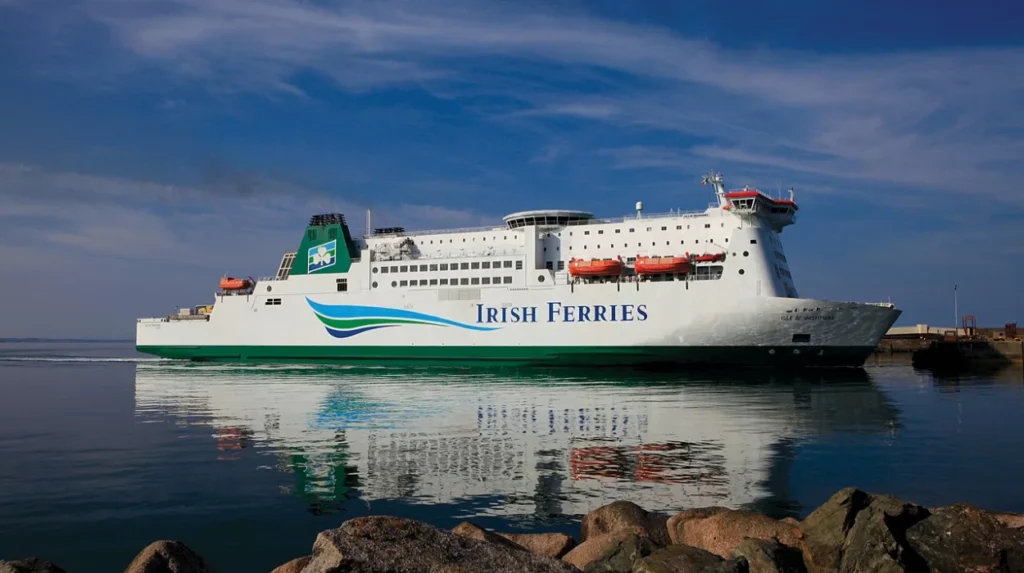
Weather factors can influence maritime schedules, particularly during winter gales in the Irish Sea. Fast ferry craft like the Dublin Swift are subject to tighter operational wave-height limits than conventional superferries. Standard vessels like Stena Adventurer or Oscar Wilde feature stabilizers and heavy hulls, enabling them to operate smoothly through seasonal weather shifts while maintaining predictable arrival and departure times.
How do vehicle and foot passenger requirements compare on Irish Sea ferries?
Vehicle passengers check in sixty minutes before departure, while foot passengers must arrive forty-five minutes prior to embarkation. All vehicles require standard registration documents, driving licenses, and valid motor insurance certificates. Foot passengers can access port terminals via direct rail link connections at Holyhead and Fishguard Harbour stations.
Driving onto an Irish Sea ferry involves organized lane queuing at designated terminal check-in booths. Drivers must declare vehicle specifications, including overall length and height, at the time of booking to ensure correct deck allocation. Rooftop cargo boxes, bike racks, and towed trailers must be declared in advance to prevent check-in delays or additional surcharges.
Foot passenger arrangements differ slightly across ports. Holyhead Port features a dedicated passenger terminal directly connected to Holyhead railway station on the North Wales Coast Line. Fishguard Harbour provides integrated rail platform access for foot travelers using Transport for Wales rail services. Pembroke Dock offers local bus linkages and taxi access for foot passengers arriving without a personal vehicle.
Baggage allowances on ferries are significantly more generous than on commercial airlines. Vehicle passengers can carry unlimited luggage within their vehicle weight capacity limits. Foot passengers are allowed up to two luggage items weighing up to twenty-two kilograms each. Pets can travel inside vehicles, in dedicated onboard kennels, or in designated pet-friendly cabins depending on operator policies.
What travel documentation and customs rules apply when crossing from Wales to Ireland?
British and Irish citizens traveling within the Common Travel Area do not strictly require a passport, though official photo identification is mandatory. Accepted identification includes valid driving licenses, international passports, or citizenship cards. Non-CTA citizens must hold a valid passport and any necessary national entry visas.
The Common Travel Area arrangement between the United Kingdom and Ireland facilitates movement without standard border controls for native citizens. However, ferry operators require valid photographic identification for security verification at all check-in desks. Stena Line and Irish Ferries require the name on tickets to match official travel identity cards exactly.
Customs regulations apply to goods carried across the Irish Sea due to international trade regulations and border frameworks. Passengers traveling from Wales to Ireland can carry personal items within set duty-free allowances for alcohol, tobacco, and commercial goods. Goods intended for resale must be declared at commercial customs facilities prior to loading onto the ferry vessel.
Pet movement across the Irish Sea requires adherence to national biosecurity rules. Dogs, cats, and ferrets traveling from Great Britain to Ireland must possess an animal health certificate or valid European Union pet passport. Pets must be microchipped and vaccinated against rabies at least twenty-one days prior to departure to clear Irish port health controls.
How do onboard amenities and services enhance the transit experience?
Modern Irish Sea superferries offer lounges, dining halls, duty-free shopping, free wireless internet, private cabins, and children play facilities. Passengers can upgrade to premium lounges for complimentary refreshments and quiet spaces. Private cabins provide private bathrooms and beds for overnight or early morning journeys.
Dining options on board range from casual cafeteria service to formal seated dining rooms. Menus accommodate standard dietary requirements, including vegetarian, vegan, and gluten-free selections. Onboard retail stores stock duty-free fragrances, spirits, tobacco, confectionery, and travel accessories at reduced tax rates for international travelers.
Entertainment features cater to both long-haul travelers and families. Superferries carry free cinema rooms showing recent film releases during the passage. Dedicated play areas keep children entertained, while quiet business lounges offer desk space and power outlets for working commuters. Satellite Wi-Fi connectivity remains active across the crossing.
For travelers needing rest during crossing times, private cabins can be reserved during booking. Cabins are available in single, twin, four-berth, and accessible formats. Luxury options feature sea views, complimentary television units, and mini-bars. Cabins provide a comfortable, private environment for families, elderly passengers, and shift-working drivers.
Frequently Asked Questions
Can you travel as a foot passenger on all ferries from Wales to Ireland?
Yes, foot passengers can travel on most routes, but options vary by operator and vessel. Holyhead to Dublin offers foot passenger bookings on both standard ferries and fast craft. Southern routes from Fishguard and Pembroke also accept foot passengers with rail and bus connections.
How early should you arrive at the port before departure?
Vehicle drivers should arrive at least sixty minutes before the scheduled departure time. Foot passengers are required to check in forty-five minutes prior to sailing. Peak holiday seasons and heavy freight check-in periods may require earlier arrival times.
Do you need a passport to take a ferry from Wales to Ireland?
British and Irish citizens do not legally need a passport under Common Travel Area rules, but valid photographic identification is required. A valid photo driving license or official identity card is accepted by ferry operators. Citizens of other nations must present a valid passport.
Are pets allowed on ferries from Wales to Ireland?
Yes, pets can travel on all major ferry routes across the Irish Sea. Animals can stay inside vehicles, inside pre-booked onboard kennels, or in pet-friendly cabins. Pets must comply with microchipping and health certificate requirements.
What is the fastest ferry route between Wales and Ireland?
The fastest route is the Holyhead to Dublin fast craft service operated by Irish Ferries. The Dublin Swift catamaran completes the crossing in approximately two hours fifteen minutes. Standard superferry routes take between three hours fifteen minutes and four hours.