UK campsites North Wales offer direct access to diverse geographical landscapes ranging from mountain ranges to coastal shorelines. The region spans over 2000 square miles, including Eryri National Park, Anglesey, and the Llŷn Peninsula.
- Which top campsite locations in North Wales cater to hikers?
- What coastal UK campsites North Wales options exist for families?
- How do wild camping regulations function across North Wales?
- What amenities are standard at UK campsites North Wales sites?
- Which glamping and luxury options are available in North Wales?
- What weather patterns affect camping trips in North Wales?
- How can campers practice eco-friendly principles in North Wales?
- Frequently Asked Questions
Camping infrastructure in North Wales dates back over a century, beginning with early mountaineering expeditions in the late 1800s. Early adventurers established permanent bases near Yr Wyddfa, formerly known as Mount Snowdon, to support mountain climbing pursuits. The establishment of Snowdonia National Park in 1951 formalized land use rules, balancing nature conservation with public recreation across North Wales.
Modern campsite infrastructure relies on strict land management guidelines governed by local authorities, National Park wardens, and private landowners. Official sites provide managed facilities, including electric hookups, waste disposal units, and communal shower blocks. Designated camping locations safeguard fragile ecosystems, prevent soil erosion on mountain terrains, and manage visitor impacts on rural agricultural communities.
Thousands of campers visit North Wales annually to experience outdoor activities, historical sites, and nature preserves. Coastal locations like Rhosneigr offer water sports, while interior regions provide extensive hiking networks. Exploring this region requires understanding local regulations, booking processes, and regional site variations across different coastal and mountain destinations.
Which top campsite locations in North Wales cater to hikers?
Mountain campsites in North Wales concentrate near major trailheads in Eryri National Park to give hikers immediate trail access. Popular valleys like Nant Gwynant, Betws-y-Coed, and Llanberis host structured sites close to Yr Wyddfa routes.
Campsites situated near the Watkin Path or Miners Track provide direct access to high-altitude mountain ascents without long travel times. Sites like Cae Du Campsite near Beddgelert offer cardiff/riverside/">riverside pitches near key hiking trails. Facilities at these locations include boot-washing stations, secure kit storage, and drying rooms designed for wet weather gear.
High-altitude camping requires proper preparation due to rapidly changing weather conditions in mountain environments. Temperatures at higher elevations drop significantly, and rainfall averages exceed 3000 millimeters per year in central Eryri. Choosing a campsite in sheltered valley floors reduces wind exposure while maintaining proximity to major mountain passes and ridges.
Hikers benefit from proximity to public transport hubs like the Sherpa’r Wyddfa bus network, connecting local campsites to major mountain bases. Choosing sites near transit links reduces traffic congestion along narrow pass roads. Proper site selection allows hikers to complete day treks across the Carneddau, Glyderau, or Snowdon ranges efficiently.
What coastal UK campsites North Wales options exist for families?
Coastal campsites across North Wales span the shores of Anglesey, the Llŷn Peninsula, and the North Wales Riviera. These sites feature direct access to sandy beaches, coastal footpaths, and marine wildlife reserves.
Family-focused coastal sites like Tyddyn Isaf on Anglesey offer comprehensive amenities, including playground structures, direct beach access, and onsite shops. Coastal locations like Black Rock Sands near Porthmadog permit campervans and vehicles near shoreline pitches, facilitating water sports access. Facilities usually include family bathrooms, laundry setups, and electric hookup pitches.
Coastal sites operate under marine conservation guidelines designed to protect coastal dunes and nesting sea birds. Site managers enforce designated boundary lines to prevent trampling on fragile dune grasses across protected sites. Campers on coastal grounds gain immediate access to the Wales Coast Path, which spans the entire northern coastline.
Family coastal stays offer activities such as paddleboarding, kayaking, rock pooling, and coastal walking. Coastal weather conditions remain milder than interior mountain regions, though wind speeds near open waters require sturdy tent setups. Booking coastal locations early ensures availability during peak summer periods along popular beach stretches.
How do wild camping regulations function across North Wales?
Wild camping in North Wales is illegal without explicit permission from the landowner under civil trespass laws. Unlike Scotland, England and Wales do not grant automatic legal rights to camp on unenclosed land.
Land ownership in Eryri National Park consists mostly of privately owned agricultural property, National Trust land, and forestry reserves. Setting up tents without landowner consent can result in requests to leave, fines, or civil claims. National Park wardens and local police enforce these rules to protect private property and prevent illegal dumping.
Leave No Trace guidelines apply whenever permission is granted for remote, high-altitude overnight stays. Essential rules include pitching late, leaving early, taking away all trash, avoiding open fires, and staying far from water sources. Responsible wild campers must carry portable stoves, avoid disturbing livestock, and leave campsite pitches completely unaltered.
Fly-camping, which involves abandoning equipment and litter, remains a serious environmental issue across North Wales. Local authorities actively patrol popular beauty spots to eliminate unauthorized roadside pitches. Staying at registered campsites supports local businesses while ensuring proper waste management and environmental protection.
What amenities are standard at UK campsites North Wales sites?
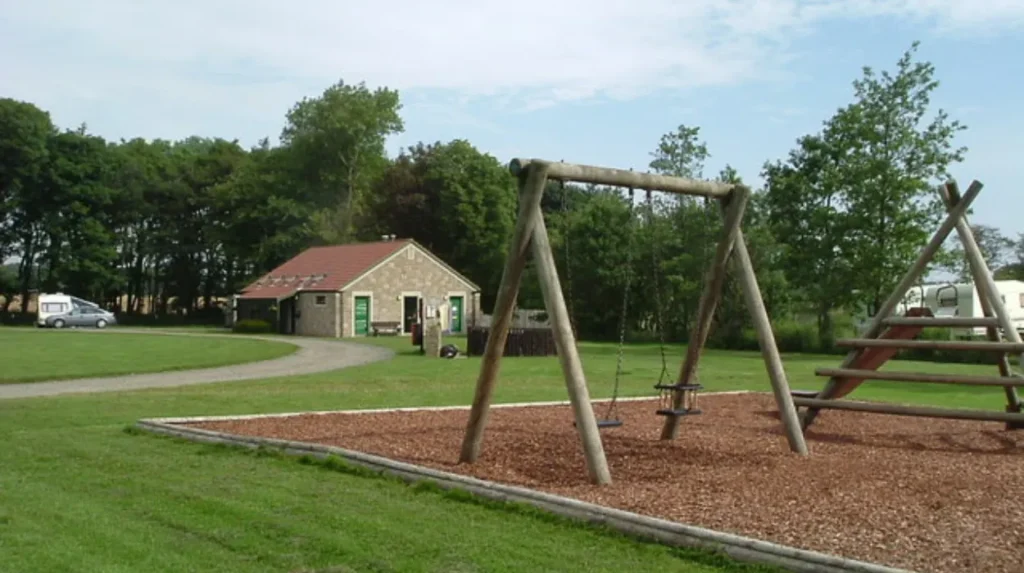
Standard UK campsites North Wales facilities include pitch spaces, utility blocks, fresh water points, and chemical waste disposal units. Facility standards range from basic rustic farmland setups to fully serviced holiday parks.
Modern campsite infrastructure typically features 16-amp electric hookup connections, hot showers, flush toilets, and covered dishwashing stations. Premier parks like Bryn Gloch near Caernarfon provide games rooms, laundry facilities, onsite convenience stores, and Wi-Fi networks. Eco-friendly sites offer compost toilets, solar showers, and dedicated recycling points.
Pitch options usually include grass pitches for tents, hardstanding pitches for touring caravans, and fully serviced pitches with direct water connections. Hardstanding surfaces prevent vehicles from sinking into soft ground during heavy rainfall. Campers should choose pitches based on their shelter type, power needs, and vehicle dimensions.
Campsite accessibility options have improved across North Wales, with many sites adding step-free shower rooms and paved access routes. Accessible facilities allow visitors of all mobility levels to enjoy outdoor stays. Reviewing site layout maps helps campers choose pitches close to primary facility blocks.
Which glamping and luxury options are available in North Wales?
Glamping across North Wales includes shepherd huts, safari tents, wooden pods, and geodesic domes. These fully furnished accommodations offer structured shelter without requiring traditional camping equipment.
Luxury glamping providers offer private hot tubs, wood-burning stoves, fully equipped kitchens, and en-suite bathrooms. Sites like Anglesey Shepherds Huts provide custom heating and elevated outdoor views. Pods at locations near Betws-y-Coed offer insulated timber structures suitable for year-round stays.
Glamping appeals to travelers seeking comfort alongside access to nature and outdoor attractions. The growth of glamping has extended the regional tourism season into colder autumn and winter months. Insulated structures protect guests from mountain weather while providing easy access to local hiking trails.
Glamping rentals usually include bed linens, cooking utensils, outdoor seating, and private fire pit areas. Rates vary by season, location, and included amenities. Booking glamping units early is recommended for holiday weekends and peak summer travel periods.
What weather patterns affect camping trips in North Wales?
Weather across North Wales is influenced by Atlantic maritime systems, producing changeable condition patterns year-round. Coastal areas experience milder temperatures, while mountain zones face higher rainfall and rapid weather shifts.
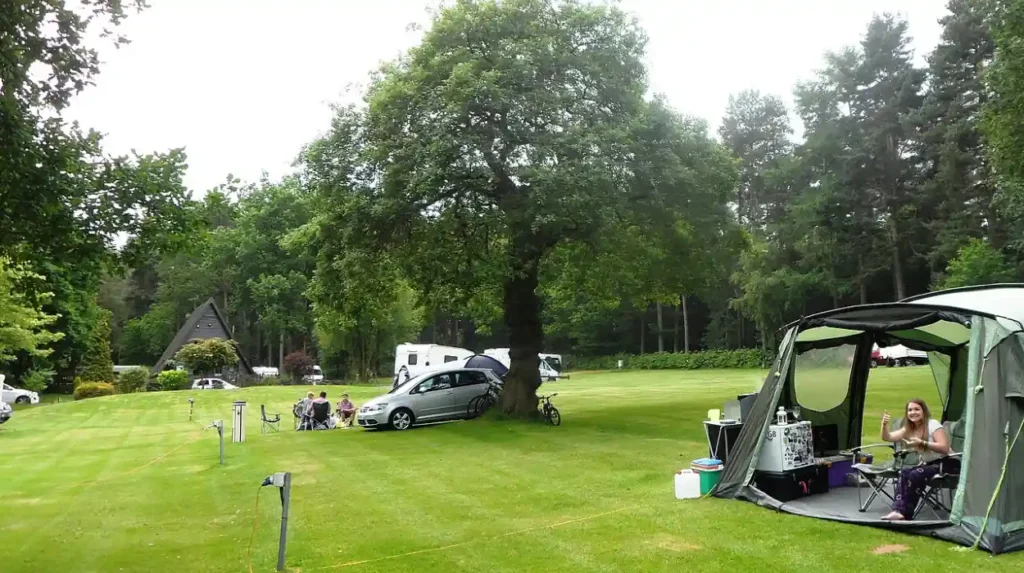
Spring and summer feature average high temperatures ranging from 15°C to 22°C across coastal lowlands. Mountain summits in Eryri experience colder conditions, with temperature drops of roughly 1°C per 100 meters of elevation. Prevailing westerly winds bring damp conditions, making waterproof gear essential for all camping trips.
Autumn brings cooler weather and increased rainfall, while winter brings sub-zero temperatures, ice, and snow across higher grounds. Year-round campsites require campers to use winter-rated sleeping bags, insulated ground pads, and storm-proof tent designs. Checking Met Office mountain weather forecasts helps campers plan safe outdoor activities.
Severe weather can lead to localized flooding, high winds, and low visibility on mountain paths. Preparing for sudden weather changes ensures camper safety and comfort during stays. Having flexible travel itineraries allows visitors to adapt activities based on changing daily forecasts.
How can campers practice eco-friendly principles in North Wales?
Eco-friendly camping focuses on minimizing environmental impacts through sustainable practices, waste reduction, and nature conservation. Campsites across North Wales implement green initiatives to protect local habitats and rural landscapes.
Sustainable practices include using biodegradable soaps, separating recyclable waste, and minimizing single-use plastics. Campers should stay on marked footpaths to prevent soil erosion and protect native plant life. Conserving water at communal wash blocks reduces energy consumption at eco-conscious sites.
Protecting native wildlife involves keeping dogs on leads near grazing livestock and avoiding disturbing nesting birds. Campers should buy local produce to support regional farm shops and small businesses. Choosing public transit or electric vehicles helps lower carbon emissions from travel across rural destinations.
Many eco-campsites use renewable energy sources, such as solar power and biomass heating systems. Supporting these businesses promotes sustainable tourism growth across North Wales. Simple eco-friendly choices help preserve the natural beauty of the region for future visitors.
Frequently Asked Questions
Do you need permission to camp anywhere in North Wales?
Yes, all land in North Wales is privately or publicly owned, meaning you must obtain explicit permission from the landowner before camping outside of designated campsites. Wild camping without prior permission is considered civil trespass under UK law.
What is the best time of year to go camping in North Wales?
The main camping season runs from May through September, offering warmer temperatures, longer daylight hours, and fully operational campsite facilities. However, spring and autumn provide quieter sites and scenic views, provided you pack proper cold-weather and waterproof equipment.
Are campsites in North Wales dog friendly?
Many campsites across North Wales welcome dogs, provided they are kept on short leads to protect nearby agricultural livestock and native wildlife. Always check specific campsite policies in advance regarding leash rules, pet fees, and designated exercise areas.
Can you light campfires at UK campsites in North Wales?
Open campfires are restricted at many sites due to fire safety concerns and ground damage, but selected eco-campsites permit raised fire pits or off-ground braziers. Always verify a campsite’s specific fire policy and use designated fire rings or gas stoves where required.
What facilities should I expect at a standard North Wales campsite?
Standard sites typically provide fresh drinking water points, clean toilet blocks, hot showers, dishwashing areas, and chemical waste disposal stations. Many sites also feature 16-amp electric hookups, hardstanding pitches, children’s play areas, and small onsite convenience shops.