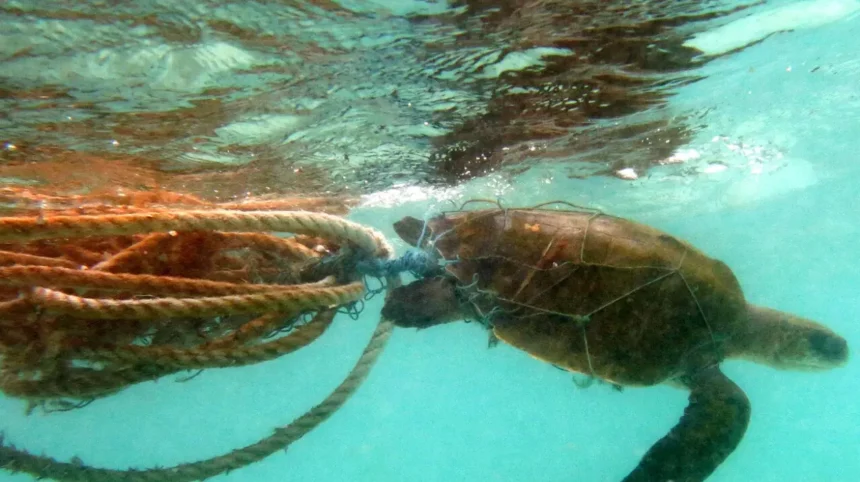
The Welsh Government has enacted decisive environmental legislation to eliminate single-use wet wipes containing synthetic plastic fibers. Under the Environmental Protection (Single-use Plastic Products) (Wet Wipes) (Wales) Regulations 2025, Wales established a mandatory restriction prohibiting businesses from selling or supplying plastic-based wet wipes to end consumers starting 18 December 2026. This statutory intervention addresses the widespread accumulation of non-biodegradable microplastics in terrestrial ecosystems, marine habitats, and municipal wastewater infrastructure across the nation. By removing synthetic polymers from daily hygiene routines, the devolved government advances its statutory commitment toward a circular economy.
- Which Specific Products Fall Under the Welsh Wet Wipes Prohibition?
- What Sustainable Alternatives Can Consumers and Businesses Adopt?
- How Will Local Authorities Enforce Compliance Across Wales?
- What Are the Long-Term Environmental and Economic Impacts of the Ban?
- Frequently Asked Questions
- Can I still use plastic wet wipes I already bought in Wales after the ban takes effect?
- Are baby wipes completely banned in Wales under the new environmental regulations?
- How do I know if the wet wipes I buy contain plastic fibers?
- Are medical wet wipes affected by the Welsh single-use plastic ban?
- What happens to shops in Wales that continue selling plastic wet wipes after December 2026?
The legal measure targets single-use pre-wetted non-woven fabrics manufactured with polyester, polypropylene, or other synthetic polymers. Traditional wet wipes rely on petro-chemical resin binders to hold structural fibers together under moist conditions. When discarded, these synthetic fibers resist biological decomposition, persisting in ecosystems for decades. The Welsh regulatory framework enforces strict accountability across retail supply chains, requiring physical storefronts, supermarket chains, and online vendors to replace plastic-laden wipe formulations with natural alternatives. This policy aligns Wales with international efforts to mitigate land-based marine litter and safeguard natural river basins.
This systemic policy action stems from decades of recorded environmental degradation caused by mismanaged plastic waste. The Welsh Parliament (Senedd Cymru) passed the primary enabling legislation, the Environmental Protection (Single-use Plastic Products) (Wales) Act 2023, setting the statutory legal basis for subsequent product bans. Wales previously executed initial bans on plastic drinking straws, cotton bud stems, expanded polystyrene food containers, and single-use carrier bags. Adding plastic wet wipes to this statutory restriction list marks a comprehensive effort to eliminate avoidable synthetic consumer waste from Welsh retail streams.
Environmental data collected across the United Kingdom demonstrates the scale of wipe pollution on coastal regions. Marine Conservation Society beach surveys recorded an average of 20 wet wipes for every 100 meters of shoreline surveyed. These discarded items disintegrate into secondary microplastics, which ingestive marine life misidentifies as natural food sources. Chemical additives within synthetic wipes leach into aquatic environments, degrading water quality standards. The Welsh policy directly targets this pollution source, ensuring that consumer products used in domestic settings do not break down into persistent environmental pollutants.
The economic burden placed on municipal water utilities and taxpayers provided significant momentum for legislative reform. Water authorities in Wales clear thousands of sewer blockages annually caused by non-flushable wipes mixing with fats, oils, and grease. These dense obstructions, known as fatbergs, cause raw sewage to spill over into natural river systems like the River Taff, River Usk, and River Dee. Municipal clearing operations consume millions of pounds in public utility expenditure each year. Restricting plastic content forces manufacturers to adopt rapidly dispersible plant fibers that break down safely in wastewater systems.
The legislative initiative reflects broader shifts across the United Kingdom as devolved administrations implement parallel prohibitions. Northern Ireland set compliance enforcement for 18 May 2027, England established statutory dates for 19 May 2027, and Scotland scheduled its ban for 11 August 2027. Wales secured an earlier enforcement deadline of 18 December 2026, positioning the nation as an early adopter of rigid plastic reduction rules. This staged national approach gives manufacturers clear technical targets for reformulating consumer wipe materials across the British Isles.
Which Specific Products Fall Under the Welsh Wet Wipes Prohibition?
The legislative scope covers all pre-wetted, non-woven fabric products containing synthetic plastic fibers supplied to retail consumers. Under the Environmental Protection Regulations 2025, statutory enforcement targets a wide array of personal care, household hygiene, and cosmetic products. Retailers selling items within Welsh borders must audit inventory to ensure no prohibited synthetic items reach end-user customers. The legal mandate covers seven primary consumer product categories across the retail sector.
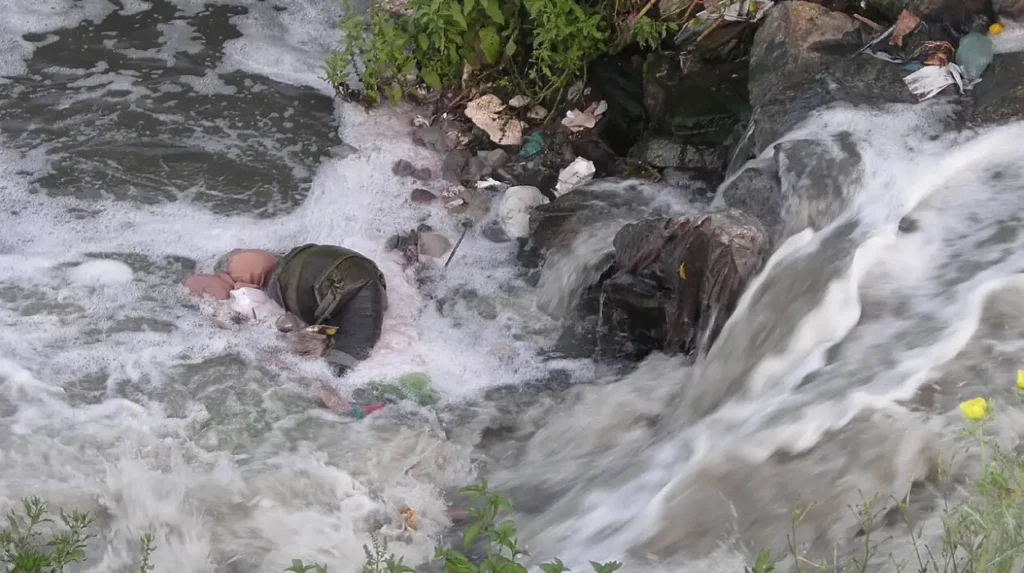
For example, single-use baby wipes formulated with polyester blends are strictly banned from retail sale. Facial makeup removal wipes, cosmetic sheet masks, moist toilet tissues, antibacterial hand wipes, personal hygiene wipes, and wet-mop cleaning pads containing plastic face identical legal prohibitions. The statutory definitions apply regardless of whether products are marketed as disposable, flushable, or recyclable. If non-woven fabric matrices contain synthetic polymer fibers, retail distribution within Wales is illegal.
The legal framework establishes clear exemptions to maintain healthcare standards and industrial operations. Wet wipes designed, manufactured, and distributed specifically for medical care, clinical diagnostics, or therapeutic treatment are exempt from consumer prohibitions. For example, pre-packaged alcohol swab pads used for skin disinfection prior to medical injections remain legally permissible. Sterile disinfectant wipes used on clinical surgical equipment in hospital environments are similarly exempt to protect public health infrastructure.
Business-to-business (B2B) distribution pathways fall outside the retail supply ban enforced against consumer sales. Commercial organizations, including residential care facilities, nursing homes, and commercial cleaning contractors, can procure specialized wipes from wholesale suppliers. These exemptions prevent operational disruptions across essential healthcare services while ensuring retail shelves transition completely to sustainable consumer alternatives.
Consumers who own remaining stocks of plastic wet wipes after the December 2026 deadline do not violate the law by possessing or using them. The regulatory offense applies exclusively to retail businesses supplying or offering to supply prohibited items within Wales. Legal responsibility rests on commercial entities, requiring supply chain operators to phase out non-compliant stock ahead of enforcement dates.
What Sustainable Alternatives Can Consumers and Businesses Adopt?
Plastic-free single-use wet wipes manufactured from naturally derived plant fibers represent the primary direct replacement for consumers. Manufacturers utilize wood pulp, 100% organic cotton, bamboo, viscose, and lyocell fibers to construct soft, absorbent fabric structures. These natural fibers provide identical cleaning performance without introducing synthetic microplastics into ecosystems. When discarded in solid waste streams, plant-based non-woven materials decompose naturally through microbial action.
Reusable cloth systems offer a long-term, zero-waste solution for domestic households and commercial facilities. For example, washable organic cotton wipes paired with water-based spray solutions replace daily facial cleansing wipes. Reusable bamboo cloth kits, which can be machine-washed hundreds of times, eliminate recurring consumer purchases while preventing solid waste generation. Woven microfiber cloths, when used for heavy household cleaning, eliminate the need for single-use chemical mop pads.
Transitioning to plastic-free alternatives requires consumers to adjust their waste disposal habits. Even certified plastic-free wet wipes must be placed into standard residual waste bins rather than flushed down domestic toilets unless explicitly certified under Fine to Flush standards. Heavy physical fibers can still snag inside aging drainage pipe networks, creating mechanical blockages before biological breakdown occurs. Proper disposal ensures natural river networks remain free from sewage system overflows.
Retailers operating within Wales must audit their active inventory and update supply contracts ahead of the 18 December 2026 deadline. Businesses must verify product specifications with manufacturers to confirm that structural fibers contain zero petro-chemical polymers. Stock management protocols should prioritize selling existing plastic inventory long before enforcement begins. Remaining non-compliant stock must be returned to wholesale distributors or processed through licensed commercial waste facilities.
How Will Local Authorities Enforce Compliance Across Wales?
Local Trading Standards officers enforce compliance across Welsh retail sectors. Enforcement personnel hold statutory authorization under the Environmental Protection (Single-use Plastic Products) (Wales) Act 2023 to enter business premises, inspect consumer inventory, and audit product specifications. Officers execute unannounced inspections across brick-and-mortar retail shops, supermarket distribution hubs, and regional warehouses. They also audit online retail operations shipping goods to addresses within Wales.
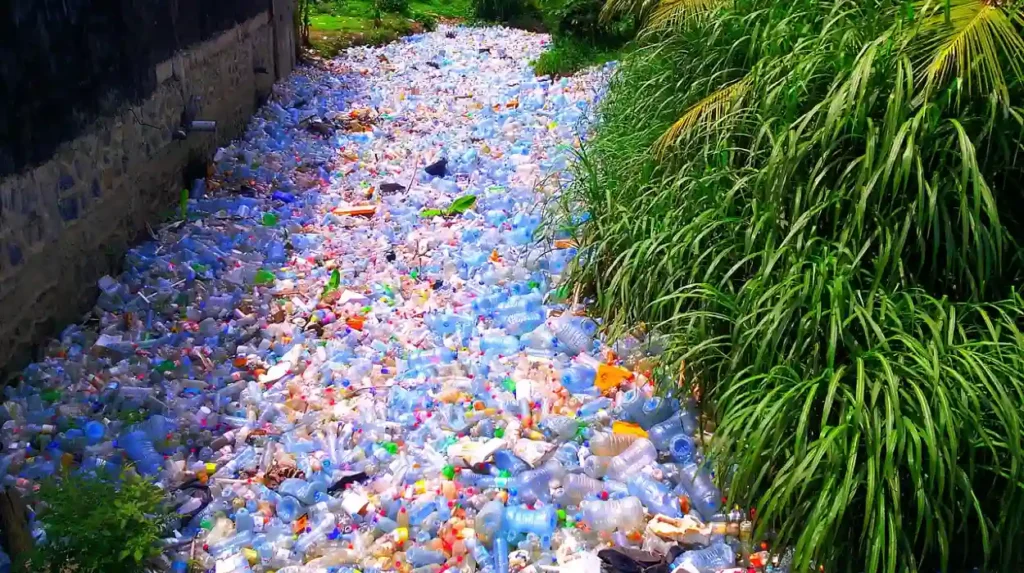
Trading Standards officers sample pre-wetted wipes and submit them to accredited analytical laboratories to confirm their chemical composition. Spectrometry testing reveals the presence of synthetic polymers like polyester, polyethylene, or polypropylene inside non-woven fabrics. If testing reveals prohibited plastic content in non-exempt retail products, enforcement agencies initiate formal administrative enforcement actions against the business.
The legal framework equips local authorities with civil sanctions and criminal prosecution mechanisms. Regulators can issue Fixed Monetary Penalties (FMPs) or Variable Monetary Penalties (VMPs) based on the severity of the violation. Persistent non-compliance or deliberate attempts to bypass supply bans can lead to summary convictions in Magistrates’ Courts, carrying unlimited financial fines. Enforcement mechanisms ensure commercial compliance while establishing a level playing field for compliant businesses.
Businesses facing enforcement actions can submit formal appeals through administrative legal channels. Commercial entities must present independent laboratory testing, supplier material data sheets, or proof of medical exemption status to contest enforcement notices. Clear record-keeping, verified bill-of-materials documentation, and proactive inventory audits provide essential legal protection for retailers operating across Wales.
What Are the Long-Term Environmental and Economic Impacts of the Ban?
The environmental ban significantly reduces microplastic pollution across terrestrial and aquatic ecosystems in Wales. Eliminating synthetic plastic fibers from wet wipes stops tons of non-biodegradable waste from entering landfills and ocean habitats each year. Marine organisms, including fish species, crustaceans, and seabirds, face lower risks of microplastic ingestion and bioaccumulation. Terrestrial soils also benefit from reduced synthetic fiber contamination caused by agricultural sewage sludge spreading.
The legislation delivers substantial long-term financial savings for water management authorities and public utility ratepayers. Eliminating plastic fibers allows flushed organic wipes to break down more rapidly in municipal sewer systems, reducing mechanical blockages. Dwr Cymru Welsh Water can redirect operational funds previously spent clearing fatbergs toward updating wastewater treatment infrastructure and improving natural river quality.
The Welsh ban speeds up market adoption of circular economy materials across the international manufacturing sector. Demand from Welsh and broader UK retailers encourages global consumer goods corporations to invest in sustainable raw materials. This shift drives innovation in natural non-woven fabrics, lowers production costs for eco-friendly alternatives, and establishes a blueprint for single-use plastic reduction worldwide.
Frequently Asked Questions
Can I still use plastic wet wipes I already bought in Wales after the ban takes effect?
Yes, consumers can legally use plastic wet wipes purchased before the enforcement date. The law restricts businesses from selling or supplying plastic wipes, not individual ownership or domestic use.
Are baby wipes completely banned in Wales under the new environmental regulations?
No, baby wipes are not completely banned in Wales. Retailers can continue selling baby wipes made from 100% plastic-free natural fibers like viscose, bamboo, or organic cotton.
How do I know if the wet wipes I buy contain plastic fibers?
Check the product packaging for explicit plastic-free labeling or review the ingredient list for synthetic materials like polyester and polypropylene. Items carrying official Fine to Flush certification are free from plastic binders.
Are medical wet wipes affected by the Welsh single-use plastic ban?
No, wipes designed and manufactured specifically for medical care, clinical diagnostics, or treatment are exempt from the retail ban. Healthcare facilities and pharmacies can supply medical-grade wipes for clinical needs.
What happens to shops in Wales that continue selling plastic wet wipes after December 2026?
Retailers caught selling prohibited plastic wet wipes face investigation by local Trading Standards officers. Non-compliant businesses can receive civil financial penalties or face criminal prosecution with unlimited fines.