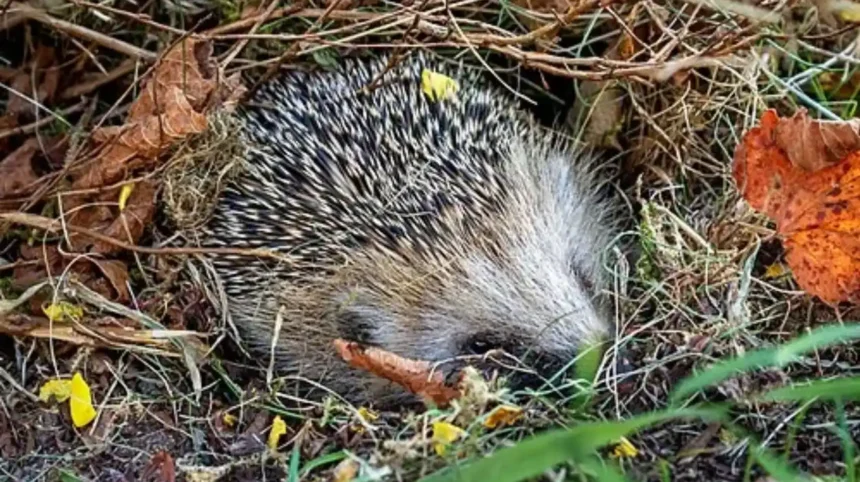
Hedgehog View Wales represents structured wildlife observation frameworks and natural habitats dedicated to monitoring Erinaceus europaeus across Welsh regions. It combines public tracking initiatives, rural sanctuary spots, and ecological corridors to preserve falling hedgehog populations throughout local ecosystems effectively.
- Where Can You View Wild Hedgehogs in Mid Wales?
- How Do You Create a Hedgehog Viewing Spot in Your Garden?
- Why Are Hedgehog Highways Essential for Population Survival in Wales?
- How Can You Identify and Log Hedgehog Sightings in Wales?
- What Are the Main Threats Facing Welsh Hedgehogs and How Can They Be Mitigated?
- Frequently Asked Questions
Hedgehogs serve as critical bioindicators of ecological health across rural and suburban landscapes in the United Kingdom. In Wales, native populations of Erinaceus europaeus have experienced significant historical declines due to habitat fragmentation, agricultural intensification, and urban barriers. The concept of hedgehog viewing in Wales encompasses both physical observation vantage points within protected natural reserves and systematic public recording platforms. Organizations such as the Wildlife Trust of South and West Wales and the North Wales Wildlife Trust utilize field monitoring to track population density, territorial movements, and seasonal breeding patterns. Establishing clear observation corridors allows researchers and nature enthusiasts to study these nocturnal mammals without disrupting their natural foraging behaviors. Understanding the distribution of hedgehogs across varied landscapes remains vital for implementing targeted biodiversity action plans and regional land-use policies.
Hedgehogs are nocturnal insectivores whose territorial ranges historically covered thousands of square meters across ancient Welsh woodlands, hedgerows, and pastoral farmland. Over the past five decades, the modernization of agricultural practices removed thousands of kilometers of native hedgerows, reducing available nesting substrate and macroinvertebrate prey sources. Urban expansion further isolated populations by introducing impermeable perimeter fencing and high-density road infrastructure. Historical biological recording records demonstrate a sharp decline in rural populations across Powys, Monmouthshire, and Gwynedd since the late 20th century. Modern conservation frameworks aim to reverse these trends by creating dedicated wildlife viewing corridors, restoring continuous hedgerow networks, and standardizing public biological reporting methods. These efforts help map active breeding colonies and identify critical habitat fragments requiring immediate protection.
Viewing hedgehogs in their natural habitat requires understanding their physical structure, territorial needs, and behavioral patterns across different seasons. European hedgehogs possess specialized anatomical features, including thousands of keratin spines, specialized orbicularis dorsi muscles for rolling into protective spheres, and acute auditory and olfactory senses adapted for nocturnal foraging. Their survival depends on access to diverse habitat micro-environments that supply continuous nourishment, safe nesting locations, and uninterrupted movement pathways.
| Habitat Component | Primary Function | Preferred Ecological Features |
| Foraging Grounds | Sustained food source supply | Short-grass lawns, pasture edges, leaf litter containing beetles and earthworms |
| Daytime Nests | Protection from weather and predators | Dense bramble thickets, log piles, undisturbed compost structures |
| Hibernacula | Winter dormancy shelters | Insulated leaf nests situated beneath structural roots or wooden outbuildings |
| Transit Corridors | Range navigation and mate retrieval | Intact hedgerows, field borders, connected garden fence boundaries |
The physical process of monitoring hedgehog movement relies on non-invasive recording tools and structured nocturnal observation techniques. Field researchers utilize thermal imaging cameras, passive infrared footprint tracking tunnels, and remote trail cameras positioned along known travel routes. These mechanisms allow observers to calculate localized population densities without causing capture-induced stress. Monitoring stations operate primarily from April through October, coinciding with the active period when hedgehogs emerge from hibernation to forage and breed. Data collected from tracking tunnels provides precise information regarding footstep geometry, movement frequency, and individual weight estimates. Recording seasonal emergence dates helps scientists evaluate the impact of changing weather patterns on hibernation schedules and reproductive cycles across Mid, North, and South Wales.
Real-world applications of hedgehog conservation and viewing initiatives appear across multiple sites in Wales. The National Botanic Garden of Wales in Carmarthenshire operates active wildlife monitoring projects designed to track nocturnal mammal populations across its expansive grounds. Visitors and researchers utilize designated paths to observe natural foraging behaviors around protected meadow areas. Similarly, Gilfach Nature Reserve near Rhayader provides an undisturbed upland habitat where natural oak woodlands meet pastoral ground, creating ideal conditions for native hedgehogs. In residential settings, community-led projects establish linked suburban corridors that allow hedgehogs to move freely between private properties. These localized networks demonstrate how structured observation points and accessible garden pathways directly contribute to the stabilization of urban mammal populations.
Systematic monitoring and conservation of hedgehogs carry broad ecological implications for environmental management throughout Wales. Maintaining robust hedgehog populations directly impacts ground-dwelling invertebrate communities, controlling populations of agricultural pests such as slugs, snails, and beetle larvae naturally. Furthermore, data gathered through regional viewing initiatives informs local planning authorities during spatial development reviews. Land managers utilize hedgehog movement data to mandate wildlife travel access points in new construction developments, ensuring habitat connectivity remains intact. Preserving this key species supports wider terrestrial biodiversity targets, serving as an educational benchmark for community-based environmental stewardship.
Where Can You View Wild Hedgehogs in Mid Wales?
Visitors can observe wild hedgehogs across nature reserves, rural sanctuaries, and designated conservation estates in Mid Wales. Key regions include the Elan Valley, Gilfach Nature Reserve, and peaceful valley habitats near Rhayader that provide undisturbed nocturnal environments.
Mid Wales contains vast tracts of upland pastures, ancient oak woodlands, and undisturbed river valleys ideal for supporting wild hedgehog populations. The region around Rhayader serves as a vital ecological hub, where low light pollution and expansive nature reserves permit natural nocturnal behaviors. Gilfach Nature Reserve, managed by the Wildlife Trust of South and West Wales, features a mosaic of farmland, wood pasture, and rocky knolls that support rich insect life. Observing hedgehogs in these environments requires visiting during dusk hours when forage activity begins along field boundaries and woodland edges. Nearby eco-tourism developments and rural stays prioritize habitat preservation, ensuring surrounding lands remain free from harmful chemical treatments.
Proper wildlife viewing in Mid Wales depends on adhering to strict non-intrusive protocols to prevent alarming foraging mammals. Observers should utilize red-light flashlights, which fall outside the sensitive visual spectrum of hedgehogs, preventing sudden startling effects. Remaining stationary near known natural travel routes, such as stone wall bases or bramble borders, yields the highest observation success. The extensive network of rural lanes and public footpaths across Powys offers safe access points for dusk walks. Local biological record centers gather field observations to monitor population distribution across upland areas, ensuring that public viewing activities support ongoing ecological data collection initiatives.
How Do You Create a Hedgehog Viewing Spot in Your Garden?
Creating a hedgehog viewing spot requires setting up natural foraging areas, installing non-invasive lighting, and providing shallow water sources. Leaving wild patches, log piles, and designated food stations attracts nocturnal hedgehogs safely for observation.

Transforming a private residential yard into an accessible hedgehog viewing location involves enhancing natural food supplies and providing clear lines of sight without causing habitat disturbance. The foundational step relies on removing physical barriers around garden perimeters, ensuring animals can access the space freely. Property owners should establish dedicated wild zones filled with leaf litter, rotting wood, and native flora to encourage the natural propagation of beetles and earthworms. Position viewing locations near existing hedgerows or garden borders where hedgehogs naturally travel when searching for food. Installing low-intensity infrared trail cameras or setting up indoor viewing positions near windows allows for clear observation without introducing human scents or loud sounds into the outdoor environment.
Supplementary feeding stations increase the likelihood of regular hedgehog visits, particularly during late spring and early autumn months when energy demands peak. Suitable supplemental foods include meat-based cat or dog food and specialized hedgehog kibble, accompanied always by a broad dish of clean water. Avoid leaving out milk or bread, which cause severe digestive illnesses in insectivorous mammals. Feeding stations should feature covered wooden shelters with baffled entryways to prevent larger urban scavengers from consuming the food. Maintaining strict cleanliness at feeding sites prevents the transmission of bacterial infections among visiting individuals. Regular monitoring of these spots provides invaluable insights into local population health and seasonal movement schedules.
Why Are Hedgehog Highways Essential for Population Survival in Wales?
Hedgehog highways are 13-centimeter square ground-level openings in boundary fences that connect fragmented gardens and green spaces. These passages allow hedgehogs to travel up to two kilometers per night to find food, mates, and nesting sites.
Habitat fragmentation poses one of the most critical threats to hedgehog survival across urban and suburban districts in Wales. Residential fencing often creates impassable barriers that isolate populations within small, unsustainable land parcels. A single hedgehog requires an interconnected territory spanning roughly 10 to 20 hectares to secure sufficient food resources and diverse genetic mating partners. Hedgehog highways solve this physical isolation by creating standardized 13cm by 13cm gaps at the base of garden fences and brick walls. These dimensions allow adult hedgehogs to pass through easily while preventing domestic pets from escaping. Implementing these pathways across entire residential streets creates continuous territorial corridors essential for long-term species viability.
The structural roll-out of hedgehog highways in Wales involves active collaboration between local conservation charities, municipal planning councils, and residential property owners. Several Welsh local authorities now include mandatory wildlife access requirements within modern housing development frameworks. Developers must install pre-cut hedgehog boundary panels during initial construction phases to maintain historic ecological pathways. Community groups log these installations on national tracking maps to assess structural connectivity across neighborhoods. Expanding these interconnected networks reduces the necessity for hedgehogs to cross hazardous motorways, significantly decreasing road-traffic mortality rates across urban centers like uk/local/cardiff/">Cardiff, Swansea, and Wrexham.
How Can You Identify and Log Hedgehog Sightings in Wales?
Identify hedgehogs by their distinctive spiky coat, dark fur, short tail, and rolling defense behavior. Log sightings through regional biological record centers like South East Wales Biodiversity Records Centre or national platforms like the Big Hedgehog Map.
Accurate identification and formal reporting of wild hedgehog sightings provide essential data used by conservation biologists to assess population trends across Wales. European hedgehogs possess recognizable physical traits, including a dense coat of approximately 5,000 to 7,000 brown and white banded spines covering their back and sides. Adult individuals measure between 20 and 30 centimeters in length and exhibit a characteristic shuffling gait while foraging. Distinguishing hedgehogs from other nocturnal wildlife involves observing their distinct movement patterns and listening for characteristic snuffling or grunting noises made while searching through leaf litter for ground prey. Field signs such as small, dark, cylindrical droppings containing shiny beetle wing fragments also confirm local activity.
Logging verified sightings requires submitting precise geographic coordinates, dates, and habitat descriptions to established biological recording databases. In Wales, four regional environmental record centers process local wildlife data: West Wales Biodiversity Information Centre, Local Environmental Records Centre Wales, South East Wales Biodiversity Records Centre, and North Wales Environmental Information Service. Additionally, public recording portals like the Big Hedgehog Map allow citizens to log both live sightings and roadkill locations directly from mobile devices. This aggregated spatial data allows researchers to pinpoint local population strongholds, identify high-risk road crossing points, and design targeted habitat restoration programs effectively.
What Are the Main Threats Facing Welsh Hedgehogs and How Can They Be Mitigated?
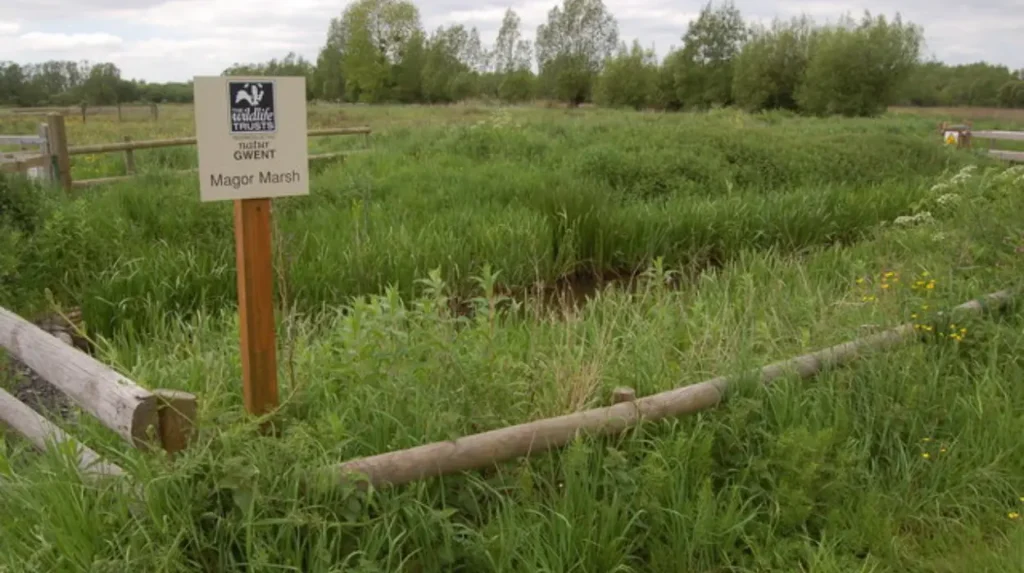
Major threats include habitat loss, traffic collisions, garden hazards, chemical pesticides, and intensive farming practices. Mitigation requires restoring hedgerows, creating garden highways, eliminating toxic slug baits, and checking brush piles before burning.
Welsh hedgehog populations face a complex combination of anthropogenic environmental hazards that reduce life expectancy and lower reproductive success. Agricultural intensification has replaced traditional mosaic landscapes with large, open monocultures devoid of protective hedgerow cover. In suburban areas, the widespread use of chemical pesticides, particularly metaldehyde-based slug pellets, deprives hedgehogs of their primary food sources while exposing them to direct secondary poisoning risks. Physical hazards within domestic gardens further compound mortality rates; steep-sided garden ponds cause accidental drownings, uncovered drain shafts trap roaming individuals, and robotic lawnmowers inflict severe bodily trauma during nocturnal operation cycles.
Mitigating these human-induced threats requires widespread adoption of wildlife-friendly land management strategies across both private and public sectors. Homeowners can reduce garden risks by placing escape ramps in deep water features, raising net heights on garden fruit cages, and refraining from chemical pesticide applications. Landowners and farmers can participate in agri-environment schemes that fund hedgerow planting, field margin restoration, and reduced tillage practices. Furthermore, checking compost heaps and brush piles with manual tools prior to burning or disposal prevents severe injuries to nesting hedgehogs. Collective community action combined with supportive policy enforcement provides the most effective pathway toward restoring stable hedgehog populations throughout Wales.
Frequently Asked Questions
What should you do if you find a hedgehog out during the day in Wales?
Finding a hedgehog roaming during daylight hours often indicates severe dehydration, hypothermia, illness, or injury, as these animals are strictly nocturnal. You should use a thick towel to carefully pick up the animal and place it inside a high-sided box lined with newspaper. Keep the box in a quiet, warm room and provide a shallow dish of fresh water. Immediately contact a local registered wildlife rehabilitation clinic, such as Glamorgan Hedgehog Rescue or the RSPCA, for professional medical guidance.
What food can you safely leave out for hedgehogs in your yard?
Safe supplementary food options for wild hedgehogs include specialized dry hedgehog kibble, meat-based cat food, or puppy biscuits. These foods provide necessary protein and fat levels without disrupting their natural digestive systems. Always place a fresh dish of clean water alongside the food, especially during dry summer periods. Never feed hedgehogs cow milk or bread, as their digestive tracts cannot process lactose, leading to severe dehydration and life-threatening enteritis.
How do hedgehogs survive the winter months in Wales?
Hedgehogs survive cold winter temperatures through hibernation, entering a state of torpor typically lasting from November through March. During this timeframe, their body temperature drops significantly, and their heart rate slows to conserve vital metabolic energy. They construct dense, weather-resistant nests called hibernacula beneath log piles, leaf drifts, or wooden garden sheds. Ensuring your garden contains undisturbed natural materials provides essential shelter for hedgehogs during their winter dormancy period.
Are hedgehogs protected by law under UK and Welsh legislation?
Yes, European hedgehogs receive legal protection under Schedule 6 of the Wildlife and Countryside Act 1981 in the UK, making it illegal to kill, injure, or take them from the wild using specific unauthorized methods. They are also listed as a Species of Principal Importance for Conservation under Section 7 of the Environment (Wales) Act 2016. These legal frameworks mandate that public bodies in Wales work to maintain and enhance hedgehog habitats during regional land management activities.
How far do wild hedgehogs travel in a single night?
An adult hedgehog travels between one and two kilometers every night while searching for suitable food, water, and potential mates. Male hedgehogs often cover even greater distances during the summer breeding season to locate females across neighboring territories. Because they range over such extensive areas, creating interconnected garden boundaries and preserving continuous field hedgerows remains vital for their daily survival routines.