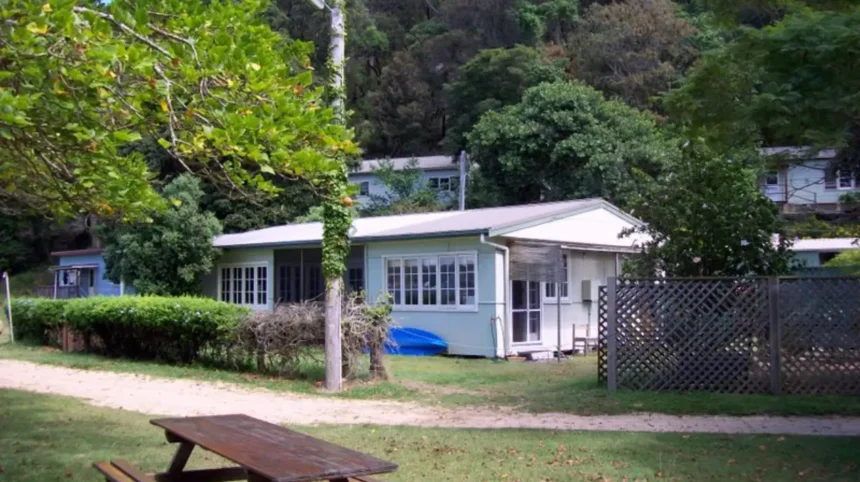
Holiday homes in North Wales represent a vital sector of the regional tourism economy and real estate investment market. These properties provide short term self catering accommodation to millions of visitors annually. The region features diverse geography including national parks, coastlines, and historic market towns. Property investors and buyers purchase these assets for personal recreational use, capital appreciation, and rental income generation. The growth of the domestic staycation market across the United Kingdom has accelerated demand for high quality accommodation throughout Gwynedd, Conwy, Anglesey, and Denbighshire.
- What Types of Holiday Homes Are Available in North Wales?
- How Does the Location of Holiday Homes in North Wales Impact Property Yields?
- What Are the Current Legal Requirements and Planning Regulations for Holiday Homes in North Wales?
- How Do Holiday Homes in North Wales Contribute to the Regional Economy?
- What Financial Returns Can Investors Expect From Holiday Homes in North Wales?
- What Future Trends Will Shape the Market for Holiday Homes in North Wales?
- Frequently Asked Questions
- What is the 182-day rule for holiday homes in Wales?
- Do I need planning permission to turn a house into a holiday home in North Wales?
- Which areas in North Wales offer the highest holiday rental yields?
- Are holiday homes in North Wales subject to council tax premiums?
- How has the staycation market impacted property values in North Wales?
What Types of Holiday Homes Are Available in North Wales?
North Wales features four main holiday home categories: detached stone cottages, coastal apartments, static caravans, and luxury chalets. Each property style caters to different buyer budgets, maintenance requirements, and occupancy capacities depending on geographical location.
Detached stone cottages represent traditional Welsh architecture built primarily during the nineteenth century. These traditional properties frequently feature slate roofing and thick stone walls, appealing to tourists seeking authentic cultural experiences in Snowdonia National Park. Coastal luxury apartments are prevalent in seaside destinations such as Llandudno and Beaumaris, offering lower maintenance obligations alongside modern amenities. Static caravans and lodge accommodation dominate coastal holiday parks along the Denbighshire and Flintshire coastlines, providing entry level investment options with communal park facilities. Timber chalets located in rural holiday parks offer secluded forest settings for visitors seeking quiet retreats.
How Does the Location of Holiday Homes in North Wales Impact Property Yields?
Property yields for holiday homes in North Wales vary significantly based on proximity to major tourist attractions, coastal access, transport infrastructure, and national park status. Prime locations generate consistent year round occupancy compared to rural inland areas.
The Isle of Anglesey commands premium rental rates due to high demand for coastal properties in towns such as Rhosneigr and Abersoch. Coastal locations achieve peak occupancy rates exceeding eighty percent during the summer season, driving strong annualized returns. Snowdonia National Park, officially known as Eryri, attracts outdoor uk/sports/">sports enthusiasts year round, enabling holiday home owners to maintain high occupancy outside peak summer months. Urban centers like Conwy provide historic heritage tourism that insulates property owners against seasonal revenue swings. Conversely, rural properties situated far from major arterial roads like the A55 express highway experience lower winter occupancy and lower overall gross rental yields.
What Are the Current Legal Requirements and Planning Regulations for Holiday Homes in North Wales?
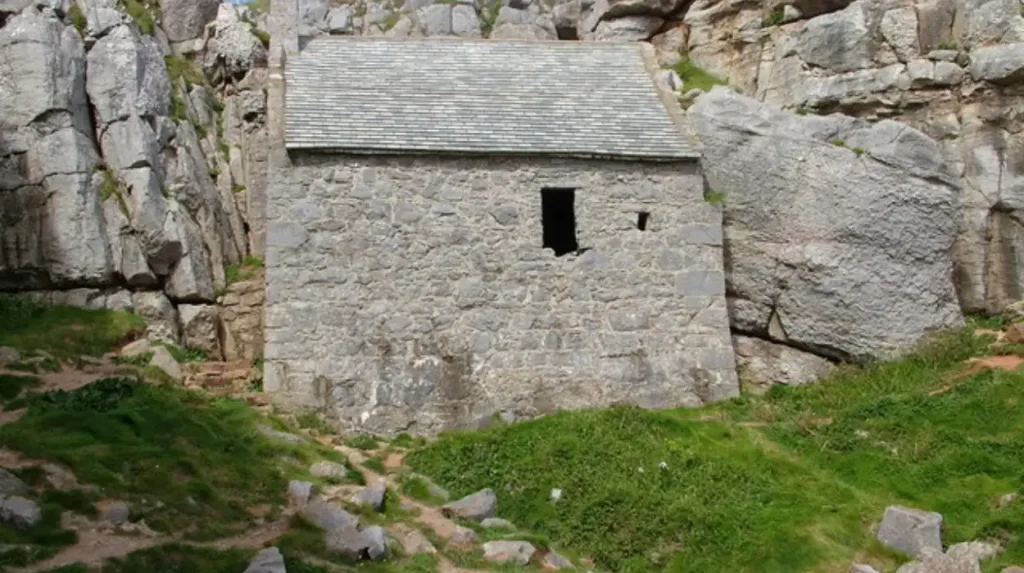
Planning laws in Wales require specific statutory compliance including Article 4 directions, occupancy thresholds, planning permission for change of use, statutory safety certification, and adherence to local council council tax premium multipliers.
The Welsh Government introduced legislative changes affecting short term holiday lettings to address local housing availability. Local authorities including Gwynedd Council enforce Article 4 directions, requiring homeowners to obtain formal planning consent before converting a primary residence into a commercial holiday let. To qualify as a business for non domestic rates rather than council tax, a holiday property must be available to let for at least 252 days and actually let for a minimum of 182 days per year. Statutory safety compliance mandates annual gas safety certificates, electrical installation condition reports, fire risk assessments, and fire safety equipment installation prior to welcoming paying guests.
How Do Holiday Homes in North Wales Contribute to the Regional Economy?
Holiday homes in North Wales drive economic growth by generating billions of pounds in tourist spending, sustaining thousands of hospitality jobs, and funding local supply chains, building contractors, and retail businesses.
The tourism industry contributes over three billion pounds annually to the Welsh economy, with North Wales accounting for a significant proportion of total visitor expenditure. Holiday home guests spend funds directly at independent grocery stores, restaurants, outdoor equipment rental firms, and local heritage sites. The maintenance and operations of holiday properties support localized service industries, including professional cleaning firms, property management agencies, tradespeople, and garden maintenance crews. Recent economic surveys indicate that every active holiday let supports approximately one point five direct and indirect regional jobs, reinforcing the economic interdependency between property owners and community commerce.
What Financial Returns Can Investors Expect From Holiday Homes in North Wales?
Financial returns from holiday home investments depend on purchase price, annual gross rental income, management fees, maintenance costs, seasonal occupancy variations, and local authority tax rates.
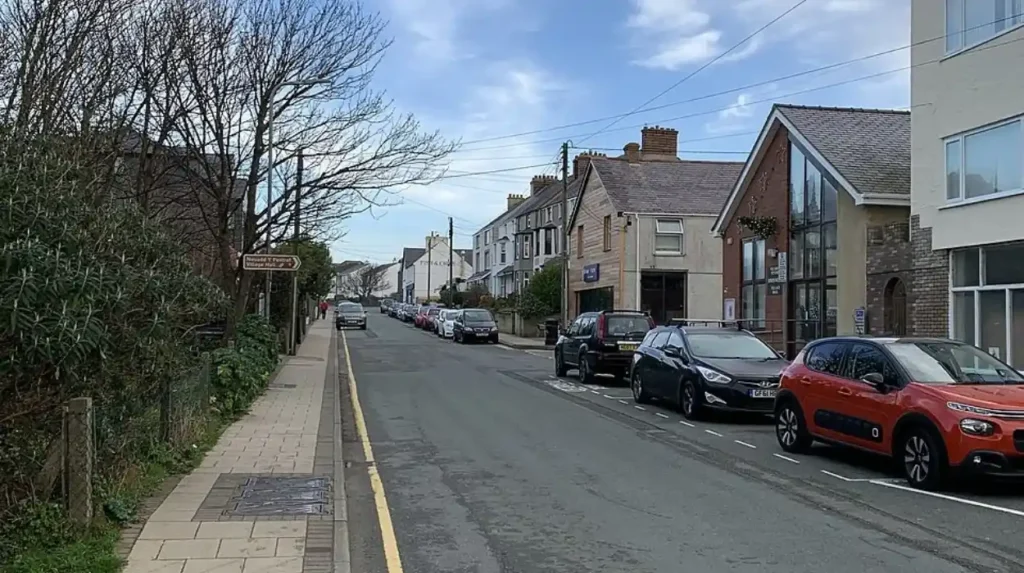
Gross rental yields for well located holiday lettings in North Wales typically range between six and ten percent annually. A property purchased for three hundred thousand pounds in a prime coastal market can generate gross annual revenue of thirty thousand pounds under professional management. Net yield calculations must account for agency commission fees ranging from fifteen to twenty five percent, utility expenditures, public liability insurance, regular maintenance, and business rate liabilities. Capital appreciation across North Wales residential property has historically averaged three to five percent annually, adding long term capital value growth to regular operational cash flow.
What Future Trends Will Shape the Market for Holiday Homes in North Wales?
Future trends shaping the holiday home market include stricter environmental sustainability standards, increased demand for eco friendly accommodation, digital booking technology integration, and evolving local regulatory frameworks.
Environmental sustainability standards are transforming property specifications, with buyers increasingly retrofitting heat pumps, solar panels, and electric vehicle charging points to attract eco conscious travelers. Changing consumer travel habits demonstrate growing demand for short weekend stays outside traditional holiday periods, enabled by flexible remote working patterns across the United Kingdom workforce. Regulatory monitoring will remain rigorous as local councils continue balancing local housing accessibility with tourism promotion. Emerging digital property management tools and direct booking platforms are reducing operational overhead costs for independent owners while expanding international marketing reach.
Frequently Asked Questions
What is the 182-day rule for holiday homes in Wales?
The 182-day rule is a Welsh Government regulation requiring self-catering holiday lettings to be actually let for a minimum of 182 days within any 12-month period to qualify for business rates instead of paying council tax premiums.
Do I need planning permission to turn a house into a holiday home in North Wales?
Yes, planning permission is frequently required, especially in counties like Gwynedd where Article 4 directions operate. These regulations require formal council approval before changing a property’s operational use class from a primary dwelling to a commercial holiday let.
Which areas in North Wales offer the highest holiday rental yields?
Coastal locations such as Anglesey, Abersoch, and Llandudno, alongside central areas in Eryri (Snowdonia) like Betws-y-Coed, consistently offer higher rental yields due to steady year-round tourist demand and high occupancy rates.
Are holiday homes in North Wales subject to council tax premiums?
Local councils in North Wales have the authority to charge council tax premiums of up to 300 percent on second homes and holiday lets that do not meet statutory commercial letting thresholds.
How has the staycation market impacted property values in North Wales?
Increased demand for domestic UK vacations has boosted visitor numbers, raising rental yields and driving long-term capital appreciation for well-located residential and holiday properties across the region.