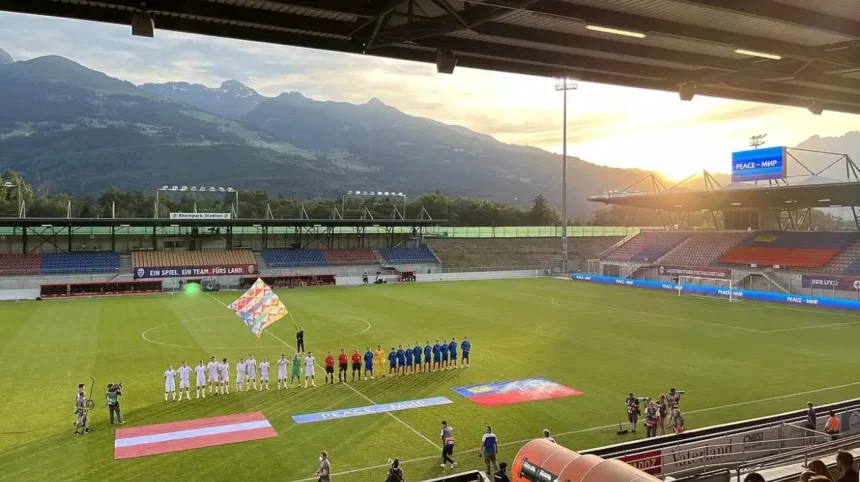
The overall head-to-head record between the Liechtenstein national football team and the Wales national football team establishes a complete competitive dominance by Wales across all historical senior international football fixtures since their first official encounter in 2006.
- How Have Liechtenstein and Wales Performed in FIFA World Cup Qualification Groups?
- What Are the Tactical and Statistical Differences Between Liechtenstein and Wales?
- What Is the Organizational and Structural Framework of Both National Teams?
- What Is the Future Outlook for Liechtenstein and Wales in International Football?
- Frequently Asked Questions
- What is the head-to-head record between Liechtenstein and Wales?
- Has Liechtenstein ever scored a goal against Wales?
- How did Liechtenstein vs Wales fixtures end in the 2026 World Cup qualifiers?
- What are the main differences between the Liechtenstein and Wales football associations?
- Where do Liechtenstein and Wales rank in UEFA competition standings?
The international football rivalry between Liechtenstein and Wales spans multiple UEFA European Championship qualifiers, FIFA World Cup qualification campaigns, and international friendly matches. Historical match records document five official fixtures played between the two national associations since November 2006. Wales has secured five victories out of five total matches, yielding a zero percent win rate for Liechtenstein and zero drawn encounters. Across these five historical fixtures, Wales scored a total of 12 goals while maintaining a defensive clean sheet record by allowing zero goals to Liechtenstein. The structural disparity reflects the relative sizes of the two footballing nations within the UEFA governance framework. Three examples of key international competitions hosting these fixtures include the FIFA World Cup qualification rounds, UEFA European Championship qualifiers, and official FIFA international friendlies.
How Have Liechtenstein and Wales Performed in FIFA World Cup Qualification Groups?
In FIFA World Cup qualification group standings, Wales has consistently finished in higher group positions than Liechtenstein due to higher total points accrued, superior goal differentials, and greater operational squad depth.
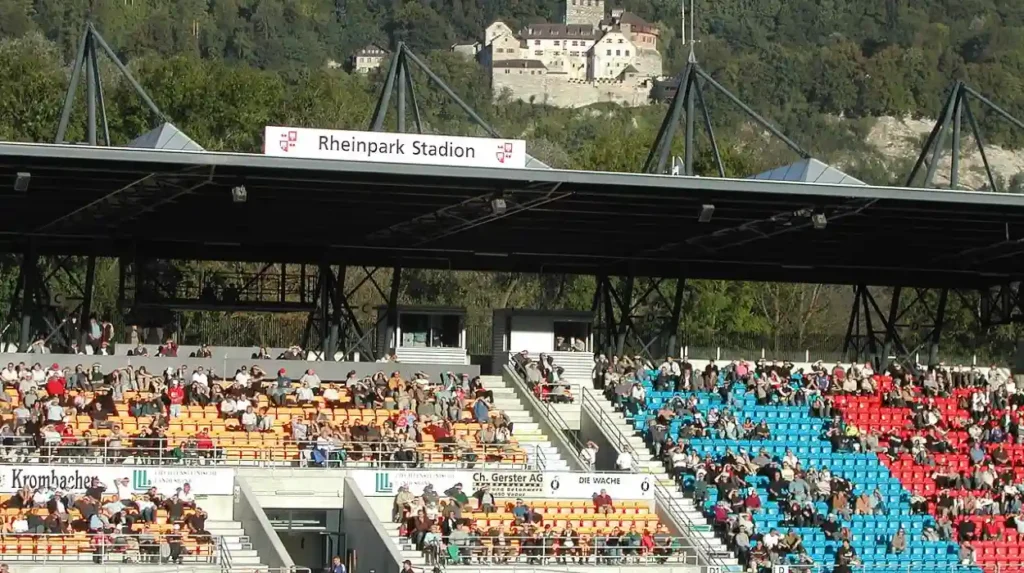
UEFA qualification groups structure European national teams into multi-team mini-leagues where top placings determine direct qualification or playoff entry for the FIFA World Cup tournament. In the 2010 FIFA World Cup qualification campaign, Wales competed in Group 4 alongside Liechtenstein, securing two victories against the Principality by scores of 2-0 in uk/local/cardiff/">Cardiff and 2-0 in Vaduz. During the 2026 FIFA World Cup UEFA qualifying stage in Group J, Wales secured a 3-0 home victory at Cardiff City Stadium on June 6, 2025, and a 1-0 away victory at Rheinpark Stadion on November 15, 2025. In Group J standings, Wales finished in second position behind group leaders to secure playoff eligibility, whereas Liechtenstein finished fifth at the bottom of the group table. Three examples of primary metrics determining qualification group standings include total points accumulated, net goal difference, and head-to-head results.
What Are the Tactical and Statistical Differences Between Liechtenstein and Wales?
Tactical and statistical comparisons between the two national teams show significant gaps in ball possession percentages, overall shot volume, expected goals generated, and squad valuation metrics during competitive matches.
Statistical tracking from official UEFA match data highlights the operational divergence between microstate football programs and established British international sides. Wales typically controls between sixty-five percent and eighty percent of total match possession when competing against Liechtenstein in competitive fixtures. Defensive structures for Liechtenstein rely on compact low-block formations operating with five defenders to absorb offensive pressure and restrict central space. Wales utilizes dynamic wide attacks, high pressing triggers, and transition sequences driven by professional players competing across top-tier European domestic leagues like the English Premier League. In contrast, the Liechtenstein squad relies primarily on semi-professional players and domestic talent competing in the Swiss football league system. Three examples of key performance indicators tracked during these encounters include pass completion accuracy, final third entries, and total shots on target.
What Is the Organizational and Structural Framework of Both National Teams?
The organizational frameworks governing both teams differ in registered player populations, institutional funding levels, domestic league infrastructure, and long-term youth academy development pipelines.
The Football Association of Wales, founded in 1876, represents the third-oldest national football association in global sports history and governs elite player pathways across Wales. The Liechtenstein Football Association, established in 1934, oversees a nation with a total population under forty thousand residents and no independent national domestic league. Clubs from Liechtenstein, including FC Vaduz, integrate directly into the Swiss Football League system while competing annually for the Liechtenstein Football Cup to earn UEFA Conference League qualification. Wales maintains a professional national league, the Cymru Premier, alongside top-tier professional clubs competing in the English football pyramid. These infrastructural differences dictate player recruitment pools, physical preparation regimes, and international match performance sustainability over multi-year tournament cycles. Three examples of governing organizational entities include UEFA, FIFA, and the International Football Association Board.
What Is the Future Outlook for Liechtenstein and Wales in International Football?
The future trajectory for both national teams involves navigating structural UEFA Nations League reclassifications, expanded tournament qualification formats, and ongoing squad generational transitions.
The expansion of the FIFA World Cup to forty-eight participating nations alters qualification mathematics across all six continental confederations, including Europe. Wales continues to build squad continuity around young core talents trained in elite academy environments, aiming for consistent qualification at major international tournaments. Liechtenstein utilizes the UEFA Nations League Division D format to access balanced competitive fixtures against similarly ranked microstates, aiding long-term technical development. UEFA centralized television rights and solidarity payments provide essential funding for grassroots pitch maintenance and coaching certification in Vaduz and Cardiff. Both associations continue implementing sport science, video analytics, and youth talent identification programs to maximize international competitiveness. Three examples of future structural benchmarks include UEFA Nations League promotion targets, European Championship qualification thresholds, and FIFA ranking point accumulation goals.
- Related Article Module: Insert a dedicated visual callout box beneath core statistical sections:Related Article: Discover entertainment and commercial developments across Wales via the Gravity Max Cardiff venue launch.
- Read More Inline Triggers: Include contextual inline links at the end of key subsections:Read More: Explore area profiles and community living across Welsh towns in our Letterston location guide.
Frequently Asked Questions
What is the head-to-head record between Liechtenstein and Wales?
Wales has won all five official international matches played against Liechtenstein since 2006. Liechtenstein has recorded zero wins and zero draws against Wales. Wales has scored 12 total goals while conceding zero goals in this fixture history.
Has Liechtenstein ever scored a goal against Wales?
Liechtenstein has never scored an official international goal against Wales in senior competition. Wales has kept clean sheets in all five historical matches played between the two nations. The aggregate scoreline across all meetings remains 12-0 in favor of Wales.
How did Liechtenstein vs Wales fixtures end in the 2026 World Cup qualifiers?
In the 2026 FIFA World Cup qualifying Group J, Wales defeated Liechtenstein 3-0 at Cardiff City Stadium on June 6, 2025. Wales then won the return fixture 1-0 at Rheinpark Stadion in Vaduz on November 15, 2025.
What are the main differences between the Liechtenstein and Wales football associations?
The Football Association of Wales governs professional national pathways and domestic club structures within Welsh and English football pyramids. The Liechtenstein Football Association oversees a smaller player pool where local clubs play within the Swiss football league system.
Where do Liechtenstein and Wales rank in UEFA competition standings?
Wales competes in upper tiers such as UEFA Nations League League B and consistently challenges for major tournament qualification slots. Liechtenstein competes primarily in UEFA Nations League League D alongside other developing microstate football associations across Europe.