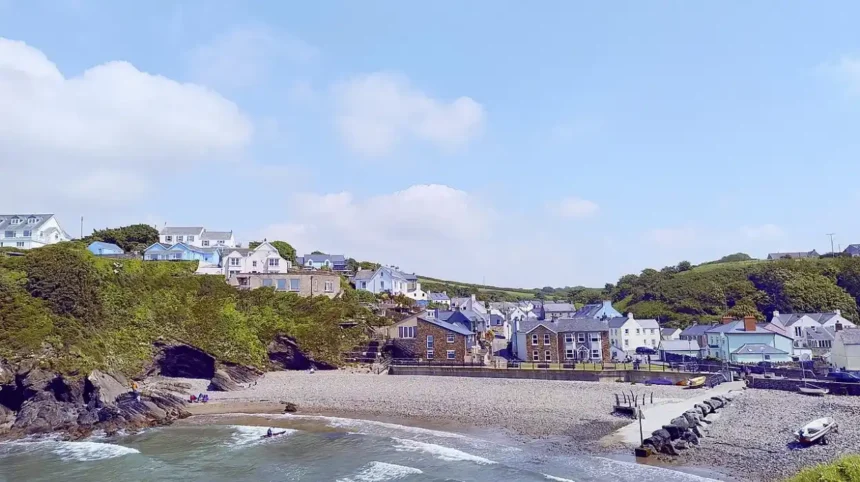
The establishment of Little Haven as a coastal settlement in Pembrokeshire reflects centuries of evolution from an industrial port into a protected maritime conservation area. Little Haven is a coastal village situated at the southeastern corner of Saint Brides Bay inside the Pembrokeshire Coast National Park in West Wales. Historically, the village operated as a working hub for agriculture, regional fishing, and anthracite coal mining from the fifteenth century through the nineteenth century.
- What Are the Primary Features and Infrastructure of Little Haven Wales?
- How Does Little Haven Wales Contribute to the Regional Pembrokeshire Economy?
- What Environmental Policies and Protections Govern Little Haven Wales?
- How Does Little Haven Compare to Neighboring Coastal Destinations in West Wales?
- Frequently Asked Questions
Industrial operations utilized the natural beach inlet to load mined coal directly onto coastal trading vessels for domestic transport. Geological formations surrounding the bay consist of Carboniferous period South Wales Coal Measures Group rocks, featuring faulted mudstones, sandstones, and contorted coal veins. As industrial mining declined during the early twentieth century, the economic structure of Little Haven shifted toward seaside tourism and heritage conservation. Today, the Pembrokeshire Coast National Park Authority manages the village as a designated Conservation Area to protect its historical architecture.
What Are the Primary Features and Infrastructure of Little Haven Wales?
Little Haven Wales provides essential coastal infrastructure featuring public accessibility nodes, safety services, historic hospitality venues, and direct connections to regional walking networks. The structural layout of the village centers on its sheltered sandy cove bordered by steep coastal cliffs and protective headlands. Local infrastructure includes the Little and Broad Haven Lifeboat Station, which was originally established by the Royal National Lifeboat Institution in 1882.
Operational hospitality establishments include three historic public houses: The Swan Inn, The uk/local/swansea/castle/">Castle Inn, and The Saint Brides Inn. The village integrates directly into the 186-mile Pembrokeshire Coast Path and the broader Wales Coast Path network. Transport infrastructure connects the location via the 400 Puffin Shuttle coastal bus service running between Saint Davids and Marloes. Three examples of core local facilities include the lifeboat station, public parking bays, and beachside dining venues.
How Does Little Haven Wales Contribute to the Regional Pembrokeshire Economy?
Little Haven Wales contributes significantly to the Pembrokeshire economy by generating sustainable tourism revenue, supporting local hospitality employment, and driving trade for regional food suppliers. The local economy relies on seasonal visitor expenditure derived from holiday letting accommodation, food service establishments, and outdoor recreation services. Small business enterprise thrives through specialized retail and dining venues that source seafood directly from local Welsh fishermen.
Commercial footfall during peak summer months supports year-round employment in property management, hospitality, and maritime tourism. Tourism revenue generated within the village reinvests into regional infrastructure, environmental maintenance, and heritage preservation initiatives. The integration of local food producers into high street menus aligns with Welsh Government foundational economy directives. Three examples of key economic drivers include holiday cottage rentals, artisanal seafood sales, and seasonal public house trade.
What Environmental Policies and Protections Govern Little Haven Wales?
Little Haven Wales operates under strict environmental protections designed to preserve its geological structures, marine ecosystems, and historic coastal habitats. The coastline stretching north from Little Haven to Newgale holds formal status as a Site of Special Scientific Interest due to its marine biology and structural geology.
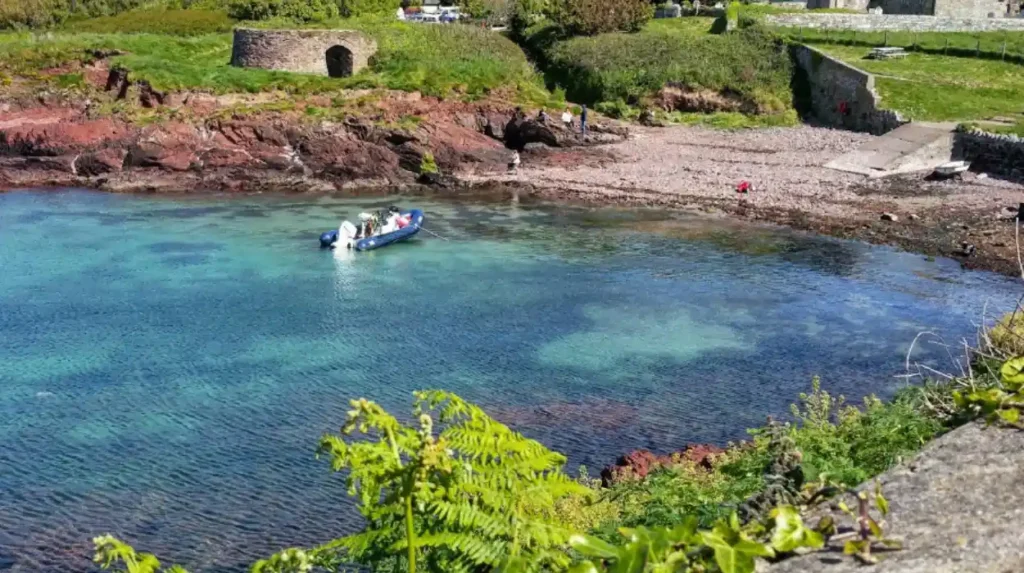
Environmental management frameworks enforced by the Pembrokeshire Coast National Park Authority regulate building developments to preserve village character. Marine conservation guidelines protect local water quality and wildlife habitats across Saint Brides Bay. Shoreline management plans address coastal erosion risks while maintaining safe public beach access points during shifting tidal cycles. Community conservation initiatives focus on minimizing marine litter, protecting nesting seabirds, and managing seasonal visitor foot traffic sustainably. Three examples of official environmental designations include the National Park status, the Site of Special Scientific Interest status, and the municipal Conservation Area protection.
How Does Little Haven Compare to Neighboring Coastal Destinations in West Wales?
Little Haven maintains a unique position among West Wales coastal destinations by offering a compact, traditional village environment alongside direct low-tide beach connectivity to larger resort areas. Unlike neighboring Broad Haven, which features expansive modern beachfront developments and larger commercial car parks, Little Haven retains a historic, narrow-street layout. At low tide, visitors can walk along the sandy foreshore past Settlands Beach to reach Broad Haven. Proximity to other Pembrokeshire destinations such as Dale, Marloes, and Martin’s Haven allows Little Haven to serve as a quiet base for coastal exploration. High-tide geographical isolation preserves its tranquil atmosphere compared to high-density tourist hubs like Tenby or Saundersfoot. The contrast between its small physical footprint and its extensive trail access highlights its distinct tourist appeal. Three examples of adjacent coastal destinations include Broad Haven, Dale, and Marloes.
- Related Article Module: Place a styled box after key infrastructure sections:Related Article: Discover surrounding communities across the region in our Letterston Pembrokeshire guide.
- Read More Inline Triggers: Insert short italicized recommendations within narrative sections:Read More: Explore major commercial and leisure developments across Wales via the Gravity Max Cardiff venue launch.
Frequently Asked Questions
What are the main attractions in Little Haven Wales?
Little Haven offers a sheltered beach, historic public houses, and direct access to the Pembrokeshire Coast Path. Visitors explore low-tide sandy walks to Settlands Beach and Broad Haven. The village also features local craft shops and fresh seafood dining options.
Can you walk from Little Haven to Broad Haven on the beach?
Yes, you can walk from Little Haven to Broad Haven across the sand during low tide. The route passes Settlands Beach and the headland known as The Rain. Walkers must check tide times to avoid being cut off by rising waters.
Is Little Haven located within a national park?
Little Haven is located inside the Pembrokeshire Coast National Park in West Wales. The entire village is also designated as a Conservation Area to protect its traditional architecture. Environmental protections safeguard its surrounding cliffs and marine habitats.
What public houses are located in Little Haven?
Little Haven features three historic public houses: The Swan Inn, The Castle Inn, and The Saint Brides Inn. These establishments serve local food, Welsh ales, and fresh seafood. The Swan Inn famously served as a filming location for Welsh television.
How do visitors reach Little Haven by public transport?
Visitors can reach Little Haven using the 400 Puffin Shuttle coastal bus service. The bus route connects coastal villages along Saint Brides Bay between Saint Davids and Marloes. Connecting train and main bus services operate out of nearby Haverfordwest.