
A holiday cottage in North Wales is a self-catering residential property rented to visitors for short-term vacation stays. These properties range from stone farmhouses to coastal cottages that support a domestic tourism industry generating over 670 million pounds annually.
- Frequently Asked Questions
- What are the 182-day occupancy rules for Welsh holiday cottages?
- Are holiday lets in North Wales a profitable property investment?
- What amenities generate the highest booking rates in North Wales?
- How do local planning regulations affect buying a holiday cottage?
- What is the best time of year to visit a holiday cottage in North Wales?
Holiday cottages form the backbone of the short-term accommodation sector across the six principal areas of North Wales: Gwynedd, Conwy, Anglesey, Denbighshire, Flintshire, and uk/local/wrexham/">Wrexham. Domestic tourism surveys show that North Wales captures approximately 30 percent of all overnight stays in Wales, absorbing 2.28 million overnight visitors each year. The market relies on private landowners, local families, and real estate investors converting historic housing inventory into professionally managed vacation rentals. Modern holiday lets feature contemporary self-catering amenities, high-speed fiber internet, biomass heating systems, and specialized infrastructure such as EV charging ports or private hot tubs.
The modern operation of holiday cottages is strictly regulated by national planning frameworks and taxation rules. In Wales, self-catering accommodation must meet a mandatory threshold of 182 days actually let and 252 days available for letting per 12-month period to qualify for business rate assessments rather than standard or premium council tax rates. Local authorities such as Gwynedd Council and the Isle of Anglesey County Council also maintain discretionary planning controls under Article 4 directions. These legal rules require planning consent when changing a main residence into a secondary holiday home. This framework secures property standards, safety compliance, and local housing sustainability while servicing high visitor demand across peak and off-peak travel seasons.
What Is the Historical Context of Tourism and Lodging in North Wales?
Tourism in North Wales began in the late 18th century as romantic movements drew writers and artists to natural alpine landforms. The expansion of passenger rail networks in the 1840s established coastal resorts and converted traditional slate workers cottages into leisure rentals.
The historical evolution of holiday cottages traces directly back to the British Romantic era and the opening of transit infrastructure. Before 1780, travel into mountainous regions like Eryri was restricted to agricultural transport and quarrying trade routes. Travel writers published journals highlighting dramatic mountain passes, leading wealthy gentry to seek rural farmhouses for extended stays. The construction of the Chester and Holyhead Railway between 1844 and 1850 transformed accessibility for urban factory workers from North West England. Victorian seaside towns like Llandudno were systematically master-planned, while agricultural workers in coastal villages began renting spare rooms and detached annexes during harvest months.
During the 20th century, structural shifts in Welsh heavy industry transformed industrial housing into holiday lets. The decline of the slate industry across Llanberis, Blaenau Ffestiniog, and Bethesda left thousands of stone quarry worker cottages vacant. Investors and returning families purchased these durable slate structures, retrofitting them with indoor plumbing and electrical networks during the 1960s and 1970s. The passage of the National Parks and Access to the Countryside Act 1949 formally established the Snowdonia National Park in 1951. This designation protected land from industrial expansion, preserving rural built heritage and cementing self-catering cottages as the primary lodging format for countryside visitors.
What Are the Key Structural Components and Property Types of Holiday Cottages?
Holiday cottages in North Wales fall into structural categories including traditional stone cottages, coastal fisher dwellings, converted agricultural barns, and modern luxury lodges. These properties incorporate local slate masonry, thick lime-plaster walls, and specialized heating systems.
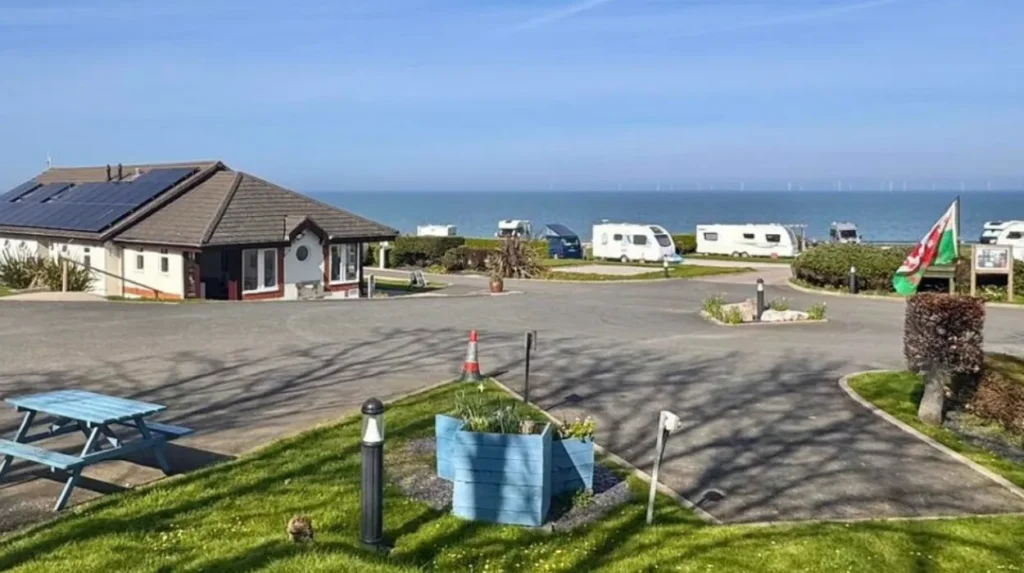
The architectural diversity of North Wales holiday lets mirrors the geology and agrarian heritage of each distinct sub-region. Traditional quarry workers cottages feature thick walls built from Welsh slate or granite rubble masonry, designed to resist high wind and rainfall loads. Modern interior refurbishments maintain historic architectural features such as exposed timber ceiling joists and inglenook fireplaces. They incorporate modern structural adaptations, including tanked damp-proofing membranes, underfloor heating, and secondary glazing systems. These properties typically offer compact two-bedroom or three-bedroom layouts that serve couples, small families, and walking groups seeking traditional heritage aesthetics.
Agricultural barn conversions and coastal fisher cottages represent distinct secondary categories within the accommodation supply. Agricultural conversions reuse large stone farm outbuildings, producing expansive open-plan living zones with high vaulted ceilings that accommodate large groups of 10 to 18 guests. Coastal properties along the Llyn Peninsula and Anglesey feature weather-resistant lime renders, slate roofs, and elevated sea-facing decking. Examples of these architectural categories include restored stone manors like Gors-Y-Gedol Hall in Dyffryn Ardudwy, converted farm steadings like Gadlas-Sarn near Abersoch, and detached coastal residences like Llywelyn-Fawr in Aberffraw. Each structural type requires precise property management, fire safety compliance, and specialized building insurance tailored for commercial short-term lets.
What Are the Operational Processes and Management Mechanisms for Holiday Lets?
Operating a holiday cottage involves booking platform distribution, professional cleaning turnaround protocols, property maintenance, and local regulatory reporting. Property owners manage these workflows directly or partner with regional management agencies.
The functional operation of a holiday cottage relies on automated reservation management and synchronized maintenance schedules. Booking channels utilize dynamic pricing algorithms that automatically adjust night rates based on local seasonality, school holidays, and area events. Property turnaround protocols operate within a tight four-hour window between guest departure and arrival. Dedicated housekeeping teams clean living spaces, sanitize hot tubs, restock essential supplies, and replace linen sets. Property owners install keyless digital lockboxes or smart locks to enable contact-free arrivals, reducing operational labor while maintaining secure access control across all calendar days.
Maintenance processes for rural holiday homes require proactive property inspections and emergency service contracts. High rain and wind exposure across mountain valleys requires bi-annual roof slate assessments, gutter clearing, and chimney sweeping to ensure operational safety. Commercial properties must maintain annual Fire Risk Assessments, Electrical Installation Condition Reports, and annual landlord gas safety certificates. Financial tracking systems log incoming rental revenue alongside recurring operational costs. These running expenses include agent commission fees ranging between 15 and 25 percent, commercial waste disposal contracts, energy utility bills, and local laundry service costs.
What Are Real-World Examples of Top Holiday Cottage Regions in North Wales?
Key locations for holiday cottages include the mountain villages of Eryri, coastal settlements along the Isle of Anglesey, and seaside towns in Conwy. These sub-regions offer distinct geography, attractions, and guest demographics.
The geographic distribution of holiday cottages creates distinct sub-markets across North Wales, each meeting specific visitor expectations. In Eryri National Park, inland hub towns like Betws-y-Coed, Llanberis, Beddgelert, and Bala act as central bases for mountain hikers, trail runners, and outdoor adventure sports enthusiasts. Properties in these areas emphasize gear drying rooms, log burners, and proximity to trailheads like Yr Wyddfa. Examples of inland stays include stone cottages like Cuddfan Idris near Dolgellau and rustic barn lets like Beudy Llew Coch in Bala, both serving outdoor leisure visitors year round.
Coastal regions display different visitor patterns and property characteristics. The Isle of Anglesey features coastal cottages across Rhosneigr, Trearddur Bay, and Beaumaris that attract watersports enthusiasts, sailors, and family beachgoers. The Llyn Peninsula in Gwynedd contains high-end coastal lets around Abersoch and Aberdaron that command premium summer nightly rates. Historic borough centers like Conwy offer walled townhouses adjacent to Edwardian fortifications, while Llandudno features larger Victorian residences converted into multi-family holiday lets. These diverse micro-markets maintain balanced overall regional demand, combining mountain, coastal, and heritage tourism destinations.
What Data, Statistics, and Financial Insights Drive the North Wales Let Market?
North Wales holiday cottages achieve average annual gross rental incomes of 24,000 pounds, with top-performing properties generating over 50,000 pounds. Regional occupancy averages 85 percent during peak summer and autumn seasons.
The economics of the North Wales holiday let sector reflect strong investment yields compared to standard long-term residential lettings. The average purchase price for a residential property in North Wales stands around 213,000 pounds, whereas comparable English coastal destinations like Cornwall exceed 300,000 pounds. This lower entry capital barrier allows property investors to generate strong gross yields. Operating expenses average approximately 7,400 pounds per year, with energy utilities, property maintenance, and agency fees representing the largest outgoing cost lines. Occupancy data shows that adding specific high-value amenities directly increases gross booking revenue.
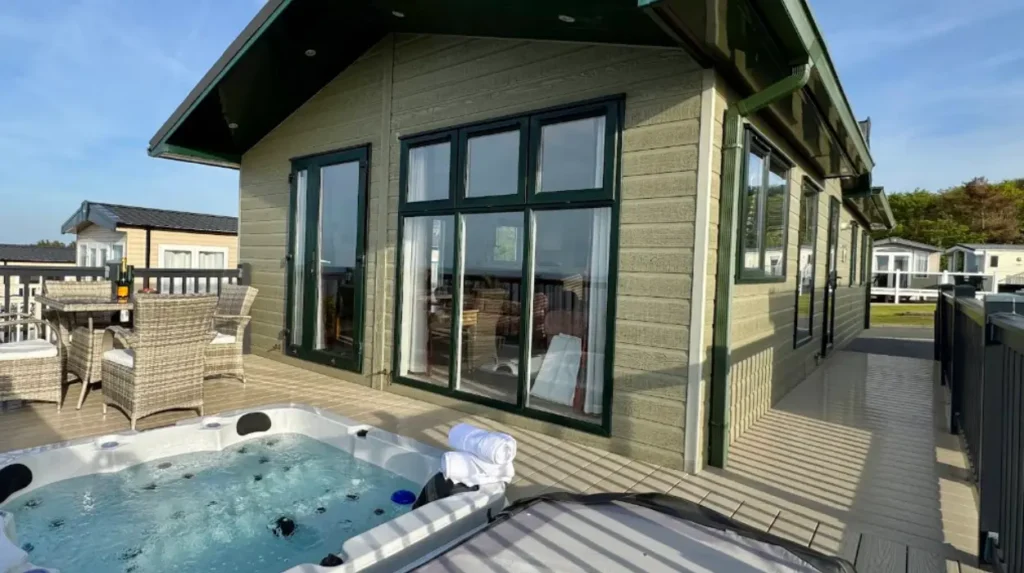
Market research indicates that properties allowing pets experience significantly higher booking rates. Nearly 50 percent of domestic British holidaymakers prefer dog-friendly accommodation, boosting year-round occupancy for rural properties. Installing a outdoor hot tub increases average rental earnings by up to 37 percent by driving higher off-peak occupancy between November and March. Properties with dedicated outdoor gardens or terrace space capture higher conversion rates, as 32 percent of booking guests explicitly filter search options for private outdoor areas. These strategic additions mitigate seasonal demand dips, stabilizing cash flow across winter trading periods.
What Is the Economic Impact, Social Implication, and Future Horizon of Holiday Lets?
Holiday cottages generate vital revenue for rural Welsh economies, supporting over 20 percent of local employment in coastal and mountain areas. However, high concentrations of second homes have triggered new housing policies and regulatory changes.
The economic contribution of the self-catering holiday sector extends into local supply chains. Visitor spending generates hundreds of millions of pounds across local pubs, independent retail shops, outdoor activity centers, and transportation operators. In regions like Anglesey and Gwynedd, tourism businesses support thousands of jobs in hospitality, property cleaning, building maintenance, and land management. The expansion of adventure attractions like Zip World and the Wales Coast Path has extended the traditional tourist season, converting seasonal employment into stable year-round economic positions.
The rapid growth of short-term holiday lets has also led to housing challenges and regulatory responses from Welsh authorities. In areas like Abersoch, second addresses and holiday homes represent over 15 percent of total residential housing stock. High demand has elevated property valuations, creating affordability challenges for local residents. In response, the Welsh Government has authorized local councils to apply council tax premiums of up to 300 percent on second homes and modified statutory business rate thresholds. The future horizon points toward a regulated market that balances professional holiday let operations with local community housing needs and sustainable tourism development.
Frequently Asked Questions
What are the 182-day occupancy rules for Welsh holiday cottages?
The Welsh Government requires self-catering holiday lets to be available for rent at least 252 days and actually let for at least 182 days per year. Properties meeting this criteria are rated for non-domestic business rates rather than standard council tax.
Are holiday lets in North Wales a profitable property investment?
Holiday lets in North Wales generate an average gross revenue of 24,000 pounds annually, with luxury properties exceeding 50,000 pounds. Lower average purchase prices around 213,000 pounds yield stronger returns compared to English tourist hubs.
What amenities generate the highest booking rates in North Wales?
Adding private hot tubs increases annual holiday cottage revenue by up to 37 percent by attracting off-season guests. Pet-friendly accommodations capture higher search volume because nearly half of UK travelers travel with pets.
How do local planning regulations affect buying a holiday cottage?
Certain local councils, including Gwynedd and Anglesey, utilize planning mechanisms like Article 4 directions to regulate holiday lets. Property buyers may need explicit planning permission to change a primary residence into a second home or short-term vacation rental.
What is the best time of year to visit a holiday cottage in North Wales?
Summer offers warm weather ideal for coastal beaches in Anglesey and the Llyn Peninsula. Spring and autumn provide milder temperatures and lower crowd levels for hiking in Eryri National Park. Winter stays attract guests seeking quiet countryside retreats, cozy fireplaces, and lower off-peak nightly rates.