
Wales is a distinct nation located in the southwest of Great Britain. The country shares a land border with England to the east and is surrounded by the Irish Sea to the north and west and the Bristol Channel to the south. Wales covers a total land surface area of 20,779 square kilometers. The nation forms an integral component of the United Kingdom while maintaining its own devolved government, national identity, cultural traditions, and official language.
- What Is the History and Historical Context of Wales?
- How Is Wales Governed and What Is Its Political Structure?
- What Are the Geography, Climate, and Key Features of Wales?
- What Languages Are Spoken in Wales and How Are They Protected?
- What Is the Economy and Industry Structure of Wales?
- What Cultural Traditions and Symbols Define Wales?
- Frequently Asked Questions
The population of Wales stands at approximately 3.1 million residents according to official national census data. The highest concentration of the population resides in the southern coastal region, which includes the national capital city of uk/local/cardiff/">Cardiff alongside major urban centers such as Swansea and Newport. The central and northern regions of the country feature mountainous terrain and lower population densities. Snowdonia National Park contains Eryri, which is the highest peak in Wales at 1,085 meters above sea level.
What Is the History and Historical Context of Wales?
Wales emerged as a distinct geographic and cultural region following the withdrawal of Roman forces from Great Britain in the fifth century. Celtic tribes preserved their language and societal customs in the western mountainous regions. Royal dynasties established independent principalities including Gwynedd, Powys, and Deheubarth during the early Middle Ages. Gruffydd ap Llywelyn became the single ruler to unite all Welsh territories under one sovereign reign in the year 1055.
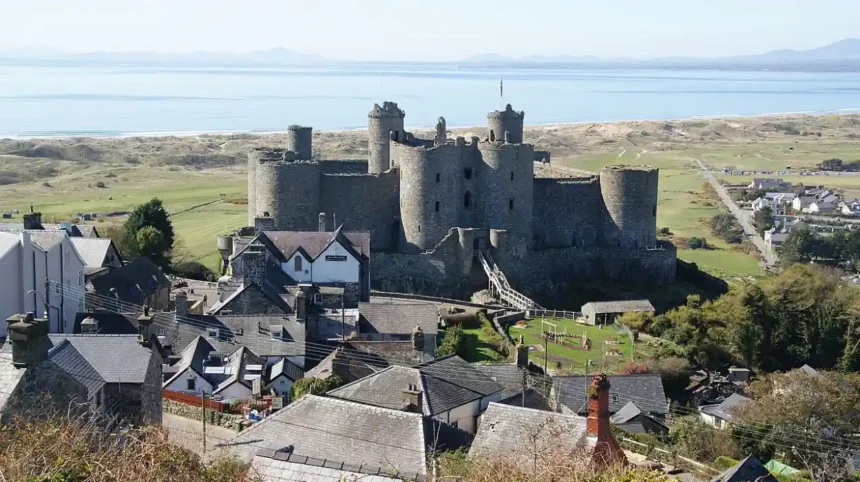
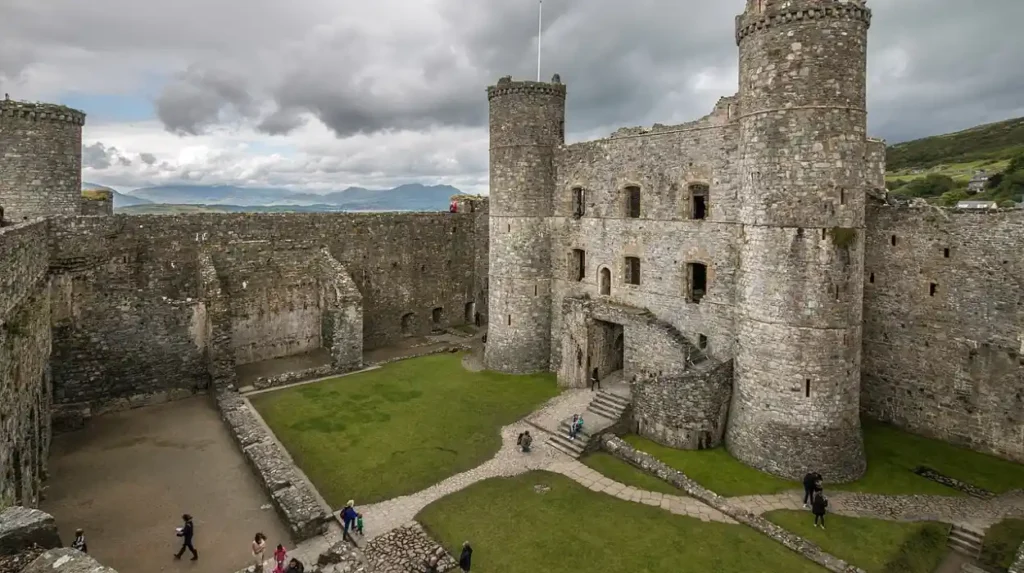
Norman incursions began in the late eleventh century, leading to centuries of territorial conflict along the border regions. Edward I of England launched a full-scale military conquest between 1277 and 1283, constructing a network of stone fortifications including Caernarfon Castle, Conwy Castle, and Harlech Castle. The Laws in Wales Acts of 1535 and 1542 enacted by King Henry VIII fully integrated Wales into the English legal framework and Kingdom of England, abolishing traditional Welsh legal systems.
How Is Wales Governed and What Is Its Political Structure?
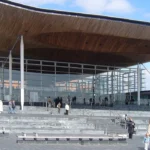
Wales operates under a system of statutory political devolution within the legal framework of the United Kingdom. The Government of Wales Act 1998 established the National Assembly for Wales following a public referendum held in 1997. This legislative body was officially renamed Senedd Cymru or the Welsh Parliament in May 2020. The Senedd comprises 60 elected members who serve five-year terms representing constituency and regional electoral divisions.
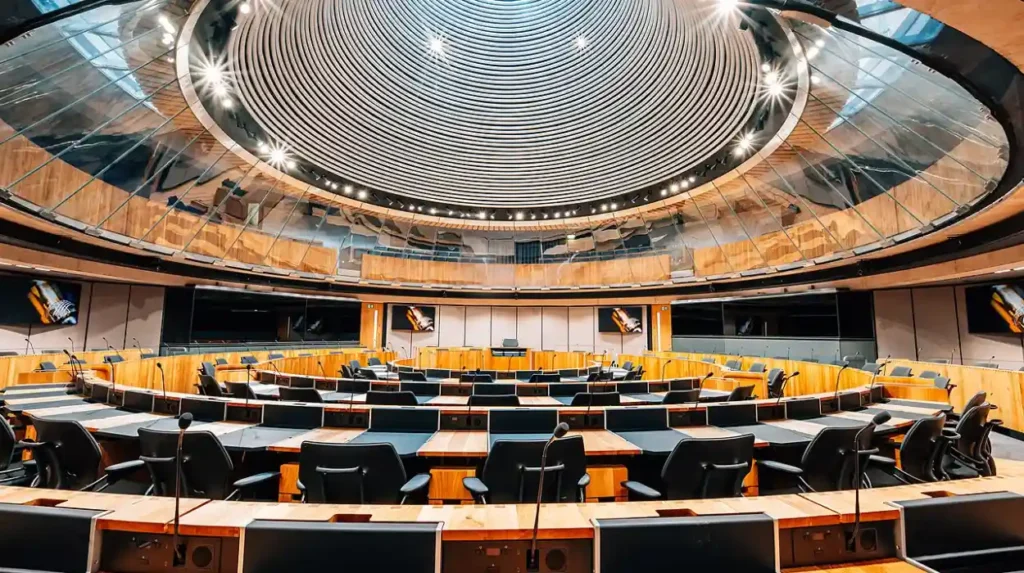
The Welsh Government forms the executive branch and handles public administration across devolved areas. Devolved responsibilities include public healthcare services, primary and secondary education, environmental policy, economic development, housing, and local transport networks. Parliament in Westminster retains exclusive legislative authority over non-devolved national policy sectors. Non-devolved areas include international relations, defense, immigration policy, broadcasting, national security, and macro-economic taxation structures.
What Are the Geography, Climate, and Key Features of Wales?
The physical landscape of Wales features extensive coastline, upland plateaus, and prominent mountain ranges formed during ancient glacial periods. Coastal areas extend across 2,700 kilometers of shoreline bordering the Irish Sea, St George’s Channel, and Bristol Channel. Upland regions dominate the interior topography, led by three major national parks covering twenty percent of total land. These protected regions are Eryri National Park, Bannau Brycheiniog National Park, and the Pembrokeshire Coast National Park.
The climate of Wales is classified as maritime temperate, influenced directly by the North Atlantic Drift ocean current. Maritime conditions generate cool summers, mild winters, and consistent precipitation patterns across all four seasonal periods. Western coastal and mountainous zones receive high annual rainfall totals exceeding 3,000 millimeters in peak elevation zones. Lowland areas near the eastern border receive lower annual rainfall totals averaging approximately 1,000 millimeters per calendar year.
What Languages Are Spoken in Wales and How Are They Protected?
Wales is an officially bilingual nation where both the Welsh language, known endonymically as Cymraeg, and English hold equal legal status. Welsh is a Brythonic Celtic language that directly evolved from the ancient Common Brittonic speech spoken across Great Britain. According to official government statistics, approximately 538,300 residents aged three and older speak the language fluently. The highest concentration of fluent speakers resides in northern and western administrative regions such as Gwynedd and Ceredigion.
The Welsh Language Act 1993 and the Welsh Language Measure 2011 established formal legal frameworks enforcing linguistic equality in public administration. Public sector bodies must provide services, documentation, signage, and communication in both languages simultaneously. Education policy requires Welsh instruction as a compulsory subject for all students aged three to sixteen across public schools. The government launched the Cymraeg 2050 strategy with the explicit policy objective of reaching one million active Welsh speakers by mid-century.
What Is the Economy and Industry Structure of Wales?
The economy of Wales has transitioned from heavy industrial production toward a modern service, manufacturing, and technology-oriented framework. During the nineteenth and twentieth centuries, Wales operated as a global center for deep coal mining, slate extraction, and steel manufacture. Industrial sites across the South Wales Coalfield produced high volumes of export coal that fueled global industrialization. Industrial restructuring during the late twentieth century led to the closure of deep-level coal mines across the nation.
Modern economic output in Wales generates a Gross Value Added of approximately sixty-five billion pounds annually. The service sector accounts for over seventy-five percent of national employment, driven by public administration, healthcare, financial services, and retail sectors. High-value manufacturing remains significant through aerospace production, automotive supply chains, electronics, and semiconductor technology clusters. Agricultural land use covers over eighty percent of total land area, focusing primarily on livestock production including sheep and cattle farming.
What Cultural Traditions and Symbols Define Wales?
Welsh culture features distinct literary, musical, architectural, and athletic traditions preserved through national institutions. The official national symbol is the Red Dragon, known as Y Ddraig Goch, displayed prominently on the national flag adopted in 1959. Additional recognized national emblems include the leek and the daffodil, both worn during Saint David’s Day celebrations held on March first. Saint David serves as the official patron saint of Wales, having established monastic communities during the sixth century.
Choral singing and literary competition form core pillars of national heritage through traditional cultural festivals known as eisteddfodau. The National Eisteddfod of Wales is the largest competitive music and poetry festival in Europe, conducted entirely in the Welsh language. Sport plays a central role in national public life, with rugby union functioning as the national sport alongside association football. National teams represent Wales independently in major international sporting competitions including the Rugby World Cup and UEFA European Championship.
Read More: Interested in regional cultural venues in Wales? Read our guide onwhat is the cultural significance of Brecon Theatre Wales.
Callout Option 2: Related Guide (Place after Geography section)
Related Article: Discover environmental innovation in mid-Wales by exploringwhat is the Centre for Alternative Technology Wales.
Frequently Asked Questions
What is the difference between Wales, England, and Great Britain?
Great Britain is the geographic island that contains three countries: Wales, England, and Scotland. Wales is an independent nation with its own devolved government, distinct Celtic language, and culture, while sharing a sovereign state structure under the United Kingdom.
Is Welsh still spoken in daily life across Wales?
Yes, Welsh is an official language spoken fluently by over 500,000 people daily across Wales. It is widely spoken in schools, media, government services, and everyday conversation, particularly in northwestern regions like Gwynedd.
Why is the dragon on the flag of Wales?
The Red Dragon, or Y Ddraig Goch, has been a Welsh symbol since Arthurian times and Roman occupation. It was officially recognized as the national flag in 1959 to represent Welsh sovereignty and historic Celtic ancestry.
What is Wales most famous for producing or manufacturing?
Wales is historically famous for coal, slate, and steel production during the Industrial Revolution. Today, Wales is known for aerospace manufacturing, green energy technologies, high-quality agricultural products like lamb, and semiconductor manufacturing.
Does Wales have its own parliament and legal system?
Wales has its own parliament called Senedd Cymru, which makes laws on devolved areas such as healthcare, education, and transport. However, Wales shares a combined legal jurisdiction of England and Wales under the UK legal system.