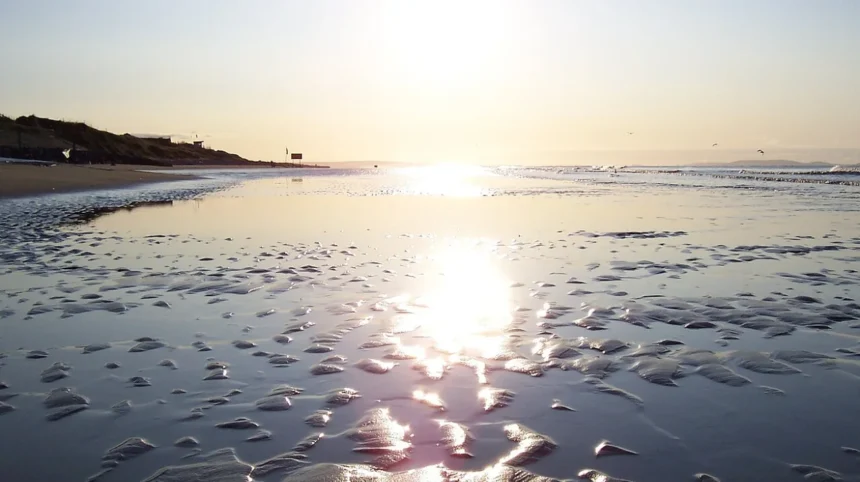
Parkdean Pendine Sands Wales is a premier holiday park situated directly on the Carmarthenshire coastline in South Wales. The resort sits in the seaside village of Pendine, overlooking seven continuous miles of golden sand along Carmarthen Bay. The geographic address places the venue at SA33 4NZ, establishing high accessibility from both Carmarthen and Pembrokeshire coastal routes.
- What Types of Accommodation Are Available at Pendine Sands Holiday Park?
- What Facilities and On-Site Amenities Does Pendine Sands Offer?
- What Is the Historical Significance of Pendine Sands Beach?
- How Can You Search Historical South Wales Echo Obituaries Online?
- What Information Is Commonly Found in South Wales Echo Death Notices?
- How Has Obituary Publishing Evolved in South Wales Over Time?
- What Role Do Obituaries Play in Local Welsh Community History?
- Frequently Asked Questions
The resort offers direct access to the famous beach, creating an optimal setting for families, couples, and nature enthusiasts. Local transport connections link the venue to the A477 trunk road, providing direct vehicular routes across South Wales. The geographic coordinate positioning of 51.74343 north latitude and -4.55848 west longitude places it central to top Welsh attractions. Visitors frequently utilize the destination as an anchor point for visiting nearby historical towns and natural reserves across the region.
What Types of Accommodation Are Available at Pendine Sands Holiday Park?
Parkdean Pendine Sands Wales provides a comprehensive inventory of self-catering accommodation options tailored to diverse visitor budgets. The options include two-bedroom caravans, three-bedroom caravans, and spacious four-bedroom luxury lodges capable of sleeping up to eight guests.
Accommodation types consist of three main categories: standard static caravans, extra-wide static caravans, and timber-style luxury lodges. Standard caravans offer essential self-catering amenities, including integrated kitchen facilities, central heating, and double glazing. Extra-wide options increase interior living areas for larger family groups, while luxury lodges feature private timber verandas, open-plan lounge layouts, and wide-screen televisions. Designated pet-friendly units permit up to two dogs per booking, while fully accessible units feature wheelchair ramps and adapted bathrooms.
What Facilities and On-Site Amenities Does Pendine Sands Offer?
Parkdean Pendine Sands Wales operates a full suite of entertainment, leisure, and dining facilities directly within the park boundary. On-site amenities ensure guests enjoy comprehensive recreational options without needing to leave the grounds daily.
The indoor heated swimming pool serves as a central feature, offering structured water activities and casual swimming sessions year-round. Outdoor recreation includes two adventure playgrounds, an amusement arcade, and a scenic duck pond with dedicated picnic areas. Dining venues comprise The Sands Restaurant and Showbar, Sunbeam Diner, Scoops Ice Cream Parlour, and a Costa Coffee outlet. Evening entertainment schedules include live family shows, musical acts, and organized children’s clubs catering to young travelers.
What Is the Historical Significance of Pendine Sands Beach?

Pendine Sands possesses a rich heritage tied directly to early twentieth-century land speed record attempts and military aviation developments. The flat, compacted seven-mile stretch of beach provided an ideal natural testing surface for high-speed vehicular engineering throughout the 1920s.
Historical land speed milestones established on these sands include Sir Malcolm Campbell establishing a record of 146.16 miles per hour in 1924 using his Blue Bird car. J.G. Parry-Thomas set a subsequent record of 171.02 miles per hour in 1926 before his tragic crash on the sands in 1927. During World War II, the Ministry of Supply designated the beach and surrounding terrain as a weapons proving ground, a role maintained today by MoD Pendine. Modern visitor exhibitions at the local Museum of Land Speed commemorate this automotive engineering heritage.
What Key Attractions and Places to Visit Are Near Pendine Sands?
Parkdean Pendine Sands Wales acts as an ideal launching point for exploring regional attractions across Carmarthenshire and Pembrokeshire. Surrounding coastal towns offer historical landmarks, wildlife encounters, and cultural heritage sites.
Key local destinations include three primary regional sites: the historic walled town of Tenby, the coastal village of Laugharne, and the family attraction Folly Farm Adventure Park. Tenby features medieval stone walls, vibrant harbour beaches, and boat trips to Caldey Island. Laugharne houses the historic Dylan Thomas Boathouse and Laugharne uk/local/swansea/castle/">Castle along the Tâf Estuary. Family day trips frequently include visits to Oakwood Theme Park and Manor Wildlife Park, located within a twenty-mile driving radius of the holiday park.
How Can You Search Historical South Wales Echo Obituaries Online?
Searching historical South Wales Echo obituaries online requires using structured digital archives, public library databases, and specialized genealogy platforms. Digital archives contain indexed newspaper pages spanning from November 1880 to contemporary digital releases.
Online research begins by accessing platforms like Findmypast or the official British Newspaper Archive. Users enter exact full names, target date ranges, and relevant keyword modifiers such as maiden names or specific Cardiff parishes. Recent digital notices published after 2000 can be retrieved through centralized funeral notice portals that store contemporary tributes, floral acknowledgements, and charitable donation details.
What Information Is Commonly Found in South Wales Echo Death Notices?
South Wales Echo death notices contain structured biographical details designed to inform extended family members, friends, and legal entities of a individual’s passing. These announcements follow established publishing formats that capture key life milestones.
A standard notice includes the deceased’s full legal name, age, date of death, and primary place of residence. Additional details record surviving family relationships, mentioning spouses, children, and extended grandchildren. Funeral arrangement details specify service dates, church or crematorium locations, and officiating clergy, alongside guidelines for memorial donations to designated medical charities.
How Has Obituary Publishing Evolved in South Wales Over Time?
Obituary publishing in South Wales transitioned from simple printed column notices in nineteenth-century broadsheets to interactive online memorial portals. Early notices printed in 1880 focused primarily on concise factual details due to strict newspaper column constraints.
During the twentieth century, expanded local news sections allowed families to publish longer narrative tributes, photographs, and detailed family gratitude statements. The advent of digital media led to online tribute pages where users can light virtual candles, leave condolences, and submit charitable donations. Print editions continue to publish daily listings alongside their integrated digital memorial platforms.
What Role Do Obituaries Play in Local Welsh Community History?
South Wales Echo obituaries record the social history of industrial Wales by documenting the lives of local workers, civic leaders, and cultural figures. The collected archive documents local responses to historical events, industrial accidents, and wartime sacrifices across South Glamorgan.
These published records capture occupational shifts from heavy coal mining and maritime shipping to modern commercial and technological industries. Sociologists analyze these notices to measure changes in religious practices, burial choices, and community support structures over a 140-year period. The archives remain a critical resource for preserving collective Welsh identity and family heritage.
Read More & Related Articles
- Capital News: Learn about recent civic developments including theroyal Senedd opening events in Cardiff.
- Legal & Estates: Read updates onCardiff Royal Courts legal rulingsaffecting property and civic infrastructure.
- Regional Heritage: Discover how local organisations partner on infrastructure like theSwansea sports venue roof sponsorship.
Frequently Asked Questions
How do I submit a death notice to the South Wales Echo?
You can submit a death notice directly through the newspaper’s official online portal or via your appointed funeral director. Most funeral directors handle text submission, formatting, and scheduling on behalf of families. Direct public submissions require verification of death documentation before publication.
Are South Wales Echo obituaries available in public libraries?
Yes, local public libraries across Cardiff, Vale of Glamorgan, and Rhondda Cynon Taf maintain comprehensive archives. Libraries provide access to physical microfilm reels spanning historical publication years alongside free terminal access to digital newspaper archives like Findmypast.
How long does it take for an obituary to appear in print?
Print obituaries typically require a lead time of two to three working days prior to the desired publication date. Submissions made online before daily deadlines can appear in print within 48 hours. Digital notices are published online almost immediately after editorial approval.
Can I search South Wales Echo obituaries for free?
Basic online search queries to locate record entries can be performed for free on public memorial index sites. Viewing full page images of historical print archives from 1880 to 2004 usually requires a subscription or access via local library computers.
What is the difference between a death notice and an obituary?
A death notice is a brief factual announcement paid for by the family to share funeral details. An obituary is a longer narrative article written by a journalist or relative, detailing the person’s life achievements, career, and community impact.