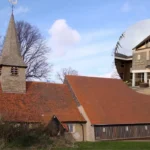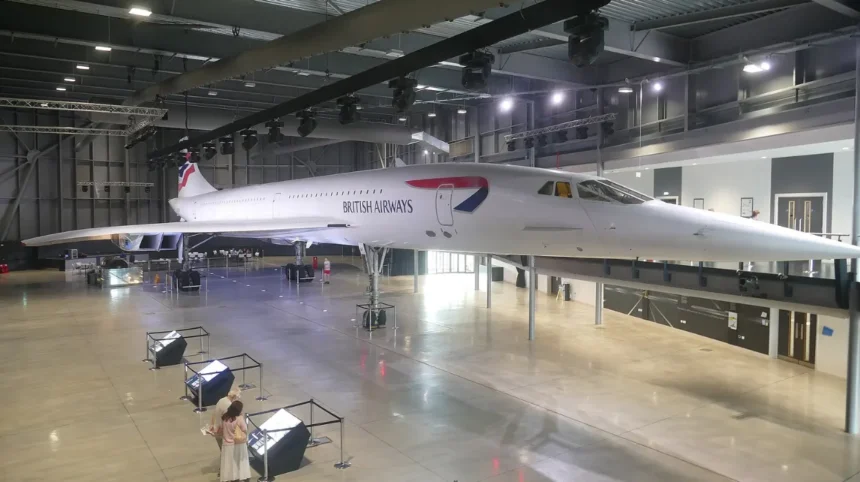
The South Wales Aviation Museum is a non-profit educational institution situated at Bro Tathan North in St Athan within the Vale of Glamorgan, Wales. It serves as an active preservation site dedicated to collecting, restoring, and displaying historical aircraft, military equipment, and aerospace artifacts.
- What is the origin and historical establishment of the museum?
- What structural facilities and operational frameworks support the collection?
- What key aircraft platforms form the core exhibition?
- What mechanical processes and restoration methodologies are utilized?
- How does the museum contribute to STEM education and public engagement?
- What is the broader socio-economic and cultural impact on South Wales?
- What future expansion plans and preservation challenges lie ahead?
- Frequently Asked Questions
- What are the main aircraft to see at the South Wales Aviation Museum?
- Can visitors go inside aircraft cockpits at SWAM St Athan?
- Where is the South Wales Aviation Museum located and how do you get there?
- Is the South Wales Aviation Museum suitable for children and families?
- How is the South Wales Aviation Museum funded and operated?
What is the origin and historical establishment of the museum?
The South Wales Aviation Museum was established to prevent the loss of regional aerospace heritage and honor the military operational history of South Wales. Founded by aviation enthusiasts Gary Spoors and John Sparks, the museum officially opened its facilities to the public in April 2019. The institution was developed within Hangar 872 at the former Royal Air Force St Athan airfield, a location with military aviation operations dating back to 1938.
During the Second World War, RAF St Athan functioned as a primary maintenance unit, technical training school, and storage depot for front-line military aircraft. Thousands of service personnel worked on site to service bombers, fighters, and transport platforms throughout the conflict. The post-war era transformed the airfield into a hub for military aircraft overhaul and structural repair work under the Defence Aviation Repair Agency.
When military restructuring reduced active defense operations at the St Athan site, local preservationists recognized the urgent need for a dedicated facility to house historical military hardware. Gary Spoors and John Sparks acquired surplus airframes, cockpit sections, and ground handling gear to establish a permanent collection. The museum achieved registered charity status, operating as a self-funded entity dependent on volunteer effort and public contributions. Today, the facility preserves critical physical evidence of Welsh industrial engineering and British defense history for educational purposes.
What structural facilities and operational frameworks support the collection?
The South Wales Aviation Museum operates out of a former military hangar spanning thousands of square meters of covered exhibition space. Hangar 872 provides a secure environment required to protect metal airframes, composite structures, and historical electronics from ambient environmental degradation. The site features active restoration workshops, structured display halls, interactive flight simulator zones, and secondary archives storing technical manuals and photographic logs.
Operationally, the museum functions on a non-profit model governed by a board of trustees and maintained by volunteer personnel. Volunteers handle engineering maintenance, tour facilitation, archival documentation, and visitor safety operations. Financial sustainability is maintained through gate admissions, gift shop sales, private donations, and corporate sponsorships. The facility maintains strict collection management protocols to document provenance, structural safety, and historical accuracy for every acquired artifact.
Facility management works alongside Bro Tathan business park managers to align site access with regional safety standards. Hangar space is organized by era and technological class, guiding visitors through aviation history. High ceilings allow full assembly of large airframes, while adjacent bays house delicate subassemblies, radar units, and ejected seat displays.
What key aircraft platforms form the core exhibition?
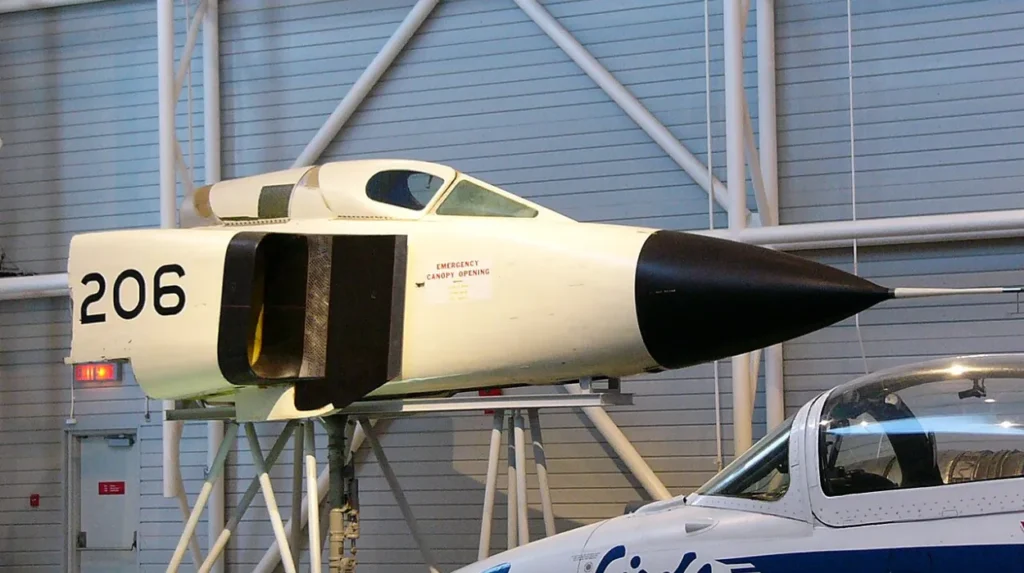
The aircraft collection at the South Wales Aviation Museum encompasses fast jets, trainer planes, search and rescue helicopters, and commercial jet transports. The museum focuses on post-World War II military aviation, highlighting platforms that served in the Royal Air Force and Royal Navy Fleet Air Arm. Displayed airframes represent major technological advances in jet propulsion, radar integration, and aerodynamic design.
Notable jet aircraft include the Panavia Tornado GR4, a variable-geometry strike fighter used extensively by the Royal Air Force during European and Middle Eastern operations. The collection features the Hawker Siddeley Harrier, a vertical take-off and landing jet designed for tactical close air support. Cold War maritime patrol history is represented by the Avro Shackleton and the Hawker Siddeley Nimrod, designed for anti-submarine warfare and long-range ocean surveillance.
Rotorcraft holdings feature the Westland Sea King, used for decades in search and rescue and anti-submarine operations, alongside the Westland Wessex and Westland Lynx. Cockpit sections of iconic airliners, including the Boeing 747 and Vickers VC10, allow close inspection of flight deck controls. For related context on regional infrastructure developments across South Wales, explore our guide on Cardiff commercial developments.
What mechanical processes and restoration methodologies are utilized?
Restoring historical aircraft at the South Wales Aviation Museum requires systematic engineering processes to stabilize, clean, and rebuild damaged or degraded airframes. Upon receiving a retired aircraft, engineers perform structural audits to identify corrosion, fatigue cracks, missing components, and hazardous material risks. Technicians use nondestructive testing techniques to assess structural integrity before starting cosmetic or functional restoration work.
Decontamination involves removing residual military fluids, oil, hydraulic liquid, and fuel, followed by sealing fuel tanks to ensure public safety. Corrosion treatment requires media blasting or chemical stripping of damaged paint layers, applying protective primers, and re-spraying authentic military liveries using historical camouflage schemes. Missing cockpit instruments are sourced, remanufactured, or 3D-printed to complete flight deck displays.
Mechanical systems are disassembled to allow public inspection of interior jet turbine components, hydraulic actuators, and landing gear assemblies. Volunteers re-wire electrical systems to power cockpit backlighting, canopy controls, and external navigation lights without running live engines. Structural preservation prevents further atmospheric degradation, ensuring that airframes remain structurally sound while on static public display.
How does the museum contribute to STEM education and public engagement?
The South Wales Aviation Museum operates as an educational hub designed to foster interest in science, technology, engineering, and mathematics among students. Unlike traditional museums where aircraft are isolated behind barriers, the facility uses a hands-on approach where visitors can enter selected cockpits and touch mechanical components. This interactive format provides direct experience with real aerospace engineering structures.
Educational programs hosted at the museum align with national curriculum standards for physics, history, and design technology. Organized school visits feature structured tours covering principles of aerodynamics, propulsion dynamics, materials science, and radar theory. Interactive flight simulators allow students and visitors to experience flight controls, navigational calculations, and basic piloting techniques under guidance.
The museum hosts vocational workshops and work experience placements for students pursuing careers in aerospace engineering and maintenance. By preserving technical expertise and facilitating direct contact with retired aircraft, the museum helps bridge the gap between historical engineering achievements and modern technical education. To learn how community initiatives support technical skills across the region, read our article on employment services in Wales.
What is the broader socio-economic and cultural impact on South Wales?
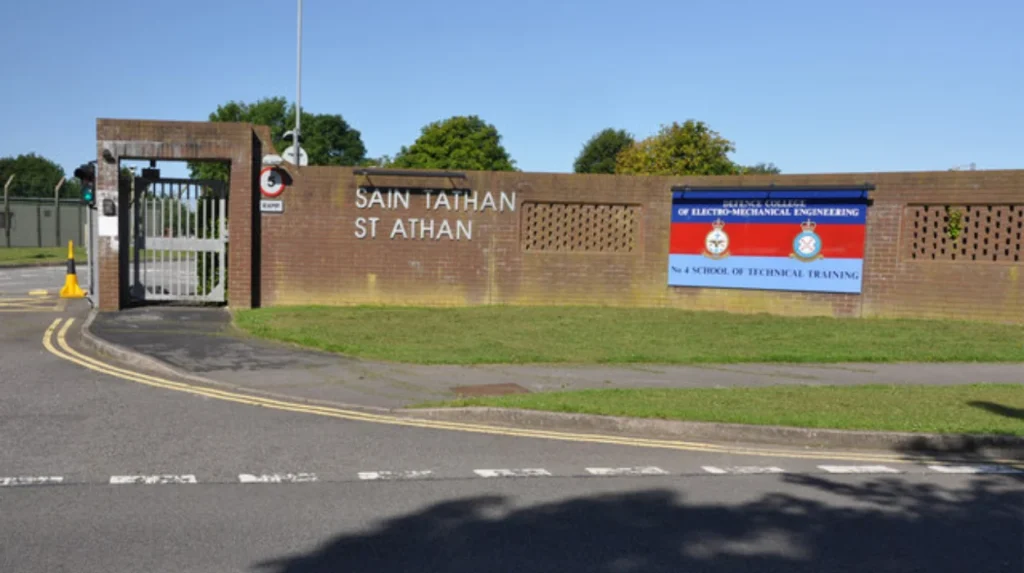
The museum plays a direct role in regional heritage tourism and economic growth within the Vale of Glamorgan. By driving visitor traffic to Bro Tathan North, the facility supports local hospitality, transport networks, and small businesses. It serves as a focal point for military veterans and former aviation workers, preserving the heritage of generations who served at RAF St Athan.
Preserving aerospace heritage aligns with broader industrial history initiatives across Wales. The museum hosts community events, memorial gatherings, and technical exhibitions that connect regional history with international aviation progress. For broader perspective on historical preservation projects across Welsh communities, see our feature on historic emergency vehicle restorations in Wales.
What future expansion plans and preservation challenges lie ahead?
The long-term sustainability of the South Wales Aviation Museum requires balancing physical collection growth with facility constraints and funding requirements. As modern aircraft are decommissioned by armed forces, securing hangar space and transport funding remains a continuous logistical task. Airframe preservation demands climate management, anti-corrosion treatments, and ongoing material investments.
Future plans focus on expanding digital archives, acquiring additional historic cockpits, and upgrading flight simulator suites. The museum aims to construct supplementary educational spaces and upgrade workshop tooling to support complex restoration projects. Securing ongoing support ensures that the institution can continue to preserve aviation heritage for future generations.
Frequently Asked Questions
What are the main aircraft to see at the South Wales Aviation Museum?
The museum features military fast jets, helicopters, and commercial airliner cockpits. Key highlights include the Panavia Tornado GR4, Hawker Siddeley Harrier, Westland Sea King helicopter, and Boeing 747 cockpit section. Visitors can explore display halls containing engine disassemblies, ejection seats, and vintage flight suits.
Can visitors go inside aircraft cockpits at SWAM St Athan?
Yes, the South Wales Aviation Museum provides an open-access policy where visitors can sit inside selected aircraft cockpits. Volunteers assist guests into flight seats and explain control sticks, switches, and instrument panels. This hands-on access makes it a unique experience compared to traditional aviation museums.
Where is the South Wales Aviation Museum located and how do you get there?
The museum is located at Hangar 872, Bro Tathan North, St Athan, Barry, CF62 4QR in the Vale of Glamorgan. Visitors traveling by car should follow signs for Picketston Business Park off the main St Athan routes. Public transport connections include local bus routes from Barry and train connections via Llantwit Major station.
Is the South Wales Aviation Museum suitable for children and families?
SWAM offers an engaging educational experience designed for visitors of all ages, including families and school groups. Children can explore interactive cockpit exhibits, test their skills on flight simulators, and participate in guided educational trails. Facilities include step-free access, free parking, a gift shop, and visitor refreshments.
How is the South Wales Aviation Museum funded and operated?
The South Wales Aviation Museum operates as a registered independent charity managed by a dedicated team of volunteers. Operational funding is generated through ticket sales, gift shop purchases, public donations, and event hosting. Every financial contribution directly supports airframe restoration, hangar maintenance, and educational programs.