Key Points
- Swansea is slated to get around $56 million from the Massachusetts School Building Authority (MSBA) in grant money for a new junior high school.
- The replacement of the Joseph Case Junior High School comes with a budget of close to $150 million and will accommodate up to 510 students in sixth through eighth grade.
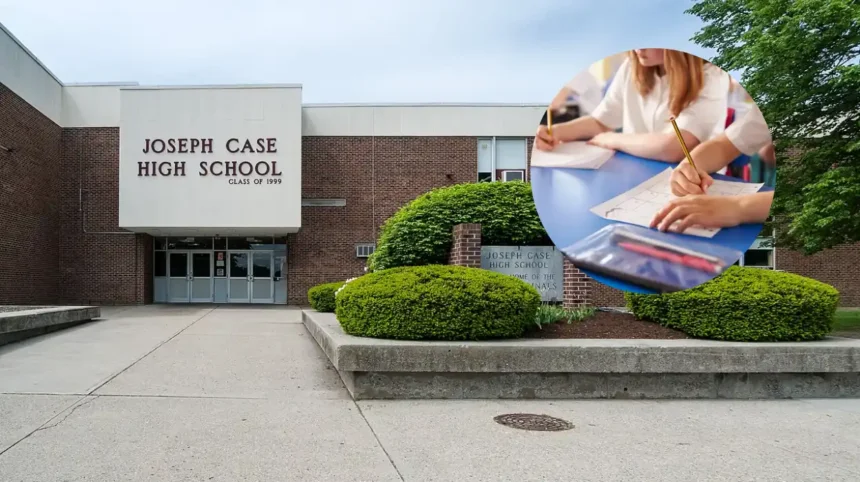
- The new school will share the same grounds as the Joseph Case High School and form a single junior high and high school campus.
- The Leicester public schools have been allocated about $33 million in grant funding for the Leicester High School Addition & Renovation project.
- Leicester’s project will modernize and expand four buildings focusing on academic facilities and career and technical education programs.
- In addition, about $94 million was allocated to Accelerated Repair Program projects in Cambridge, Haverhill, Hingham, Lawrence, Lowell, Medford, Melrose, Middleborough, and Springfield.
- These projects include repair grants for roofs, windows, doors, and heat pumps.
- “John Crisley, senior project manager of the MSBA, said this board meeting marked the first time that the program considered heat pump and heat pump and roof projects.”
Swansea (Wales Times) October 29, 2026 – uk/local/swansea/">Swansea has secured approximately $56 million in state grant funding to support the construction of a new Joseph Case Junior High School. The Massachusetts School Building Authority board approved the funding on Wednesday, according to Alison Kuznitz of State House News Service.
- Key Points
- What Will the New Swansea School Include?
- Why Did Swansea Seek a Replacement School?
- How Will Swansea Pay for Its Share?
- What Funding Did Leicester Receive?
- What Will Leicester’s Project Change?
- Which Other Districts Received Repair Grants?
- What Is the Accelerated Repair Program?
- Background of the Development
- Prediction: What This Means for Families and Taxpayers
The grant will help Swansea replace the existing Joseph Case Junior High School with a new facility on the same campus as Joseph Case High School. The project has a total budget of nearly $150 million and is intended to serve 510 students in grades 6 to 8.
As reported by State House News Service, Swansea officials want the new campus to be “inclusive to all,” meet district needs for more than 50 years, provide shared community spaces and deliver an energy-efficient building.
What Will the New Swansea School Include?
The proposed building would create a combined junior high and high school campus on School Street. Swansea Public Schools has described the plan as a connected campus that would place the new junior high alongside the existing high school.
The existing Joseph Case Junior High School opened almost a century ago. State House News Service reported that local officials decided against renovation because upgrading the existing school would have disrupted education, cost upwards of $98 million and would not have received MSBA support.
The MSBA’s project record lists the Joseph Case Junior High project as a Core Program project, with a 56.26% reimbursement rate and an estimated building completion date not stated in the available record. The authority notes that the final amount paid may be lower than the estimated maximum after audit.
Why Did Swansea Seek a Replacement School?
Swansea officials have said the current Main Street building is nearing 100 years old and requires extensive maintenance. Reporting by The Herald News stated that school officials considered the building unsuited to modern learning.
The town’s project budget is listed as $149,723,734. The Herald News reported that the MSBA contribution was expected to be $61,444,746, while Swansea voters approved borrowing about $88.3 million at the special Town Meeting.
The difference between the approximately $56 million approved on Wednesday and the earlier $61.4 million figure reflects the distinction between an approved grant amount and the maximum potential reimbursement identified during earlier project planning. State House News Service reported the latest board approval as about $56 million.
How Will Swansea Pay for Its Share?
Swansea residents were asked to approve the project at a special Town Meeting on 19 October and then to authorise its financing through Question 10 on the 3 November ballot. The Herald News reported that Question 10 sought a Proposition 2½ override in the form of a 30-year debt exclusion.
According to The Herald News, a debt exclusion would temporarily raise property taxes to pay for construction and outfitting of the new school.
Swansea Public Schools’ project page lists the MSBA board approval of project scope and budget on 28 October 2026, followed by the ballot vote on 3 November 2026.
What Funding Did Leicester Receive?
Leicester has received approval for a grant of nearly $33 million for an addition-and-renovation project at Leicester High School. State House News Service reported that the project would modernise and expand four buildings on the high school campus.
Leicester Public Schools said the work is intended to create more space for academic and career and technical education programmes.
The Telegram reported that Leicester’s total project cost is $49.8 million, with the town covering $13 million. The newspaper also reported that the MSBA was providing $34.3 million and that the district had received an additional $3 million Capital Skills Grant.
What Will Leicester’s Project Change?
The Leicester plan includes renovating the Borger Academic Center for HVAC and plumbing career and technical education programmes, according to The Telegram. It also includes renovating the Fuller Campus Center to expand science laboratories into modern classrooms.
The Lenfest building, formerly used by Becker College’s veterinary programme, is proposed for renovation to house a veterinary technician programme for Leicester High School career and technical education students.
The Citizen Chronicle reported that Leicester voters approved the $49.8 million project at Town Meeting on 27 October. It stated that the MSBA could reimburse up to approximately $34.3 million in eligible costs, with a separate $3 million Capital Skills Grant reducing the town’s financial obligation.
Which Other Districts Received Repair Grants?
The MSBA board approved a separate package of grants totalling about $94 million for schools in Cambridge, Haverhill, Hingham, Lawrence, Lowell, Medford, Melrose, Middleborough and Springfield. State House News Service reported that the funding forms part of the Accelerated Repair Program.
The programme supports energy-efficient and cost-saving upgrades. The reported work includes school roofs, windows, doors and heat pumps.
MSBA senior project manager John Crisley said on Wednesday:
“This is the first board meeting where we have reviewed heat pump and heat pump plus roof projects, which as you know, is the the newest offering under the Accelerated Repair Program.”
What Is the Accelerated Repair Program?
The Accelerated Repair Program funds repair or replacement work in existing school buildings that the MSBA considers structurally, functionally and educationally sound. The authority says the programme covers roofs, windows and doors, and heat pump conversions.
The MSBA invited 93 potential projects across 45 districts into the programme at its 29 October 2025 board meeting. The authority described the grants as distributed through a non-entitlement, competitive process based on need and urgency.
The programme’s 2025 cycle included a $300 million budget for roofs and windows or doors over two years, and a $250 million budget for heat pump conversion projects over two years.
Background of the Development
The Massachusetts School Building Authority is a quasi-independent state agency created in 2004 and overseen by State Treasurer Deb Goldberg. State House News Service reported that the authority says it has issued more than $19 billion in reimbursements for school construction projects.
Swansea’s project moved into the MSBA’s Schematic Design phase in December 2025, when the board voted to advance plans to replace the existing junior high with a new facility at the high school site.
Swansea’s school district had scheduled the MSBA board approval for 28 October 2026 and the local ballot vote for 3 November 2026. Leicester’s proposal followed a local approval process requiring a two-thirds Town Meeting vote and majority support in a ballot question, according to The Telegram.
Prediction: What This Means for Families and Taxpayers
For Swansea families, the approval is likely to keep the replacement of Joseph Case Junior High on course, with the district previously indicating an expected completion date of 2030. Students in grades 6 to 8 could eventually gain access to a modern, energy-efficient facility connected to the high school campus.
For Swansea taxpayers, the local share remains the central financial issue. The Town Meeting approval and the pending Question 10 debt-exclusion vote will determine how the town finances its portion of the nearly $150 million project.
For Leicester families, the grant approval and local votes may expand practical training options in HVAC, plumbing and veterinary technology, while also improving science facilities. For local taxpayers, the project’s cost structure will depend on the final audited MSBA reimbursement, the town’s approved borrowing and the separately reported $3 million Capital Skills Grant.
For the wider Massachusetts school communities receiving Accelerated Repair grants, the funding may lead to roof, window, door and heat-pump work intended to improve building efficiency and reduce long-term operating costs.