

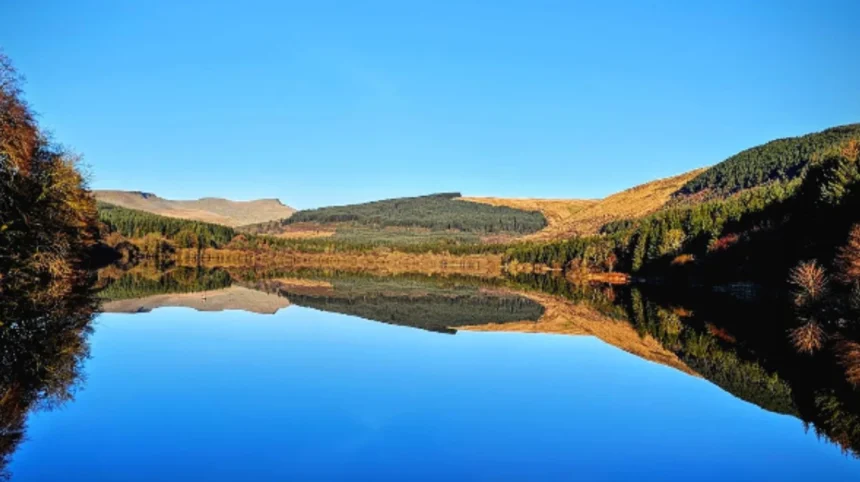
Wales is a country in southwestern Great Britain that spans 20,779 square kilometers. The nation features three UNESCO World Heritage Sites, three national parks, and 1,400 kilometers of continuous coastal pathways. Tourists explore medieval fortresses, mountainous terrains, historic industrial monuments, and urban centers across six distinct geographical regions.
- What Are the Top National Parks to Explore in Wales?
- Which Historic Castles and Monuments Should You Visit in Wales?
- What Are the Most Scenic Coastal Destinations in Wales?
- Which Major Cities Offer the Best Cultural Experiences in Wales?
- How Does the Geography and Climate Influence Travel in Wales?
- Frequently Asked Questions About Places to Visit in Wales
- How many days are needed to explore the main places to visit in Wales?
- What is the best season of the year to travel to Wales?
- Is it easy to travel around Wales without a private car?
- What are the top free places to visit in Wales for tourists?
- Which places in Wales are best for outdoor adventure activities?
What Are the Top National Parks to Explore in Wales?
Eryri National Park, Bannau Brycheiniog National Park, and the Pembrokeshire Coast National Park constitute the three official national parks of Wales. These protected landscapes cover over 20 percent of the total land mass of the country. They preserve natural ecosystems, ancient historical ruins, and extensive hiking trail networks for public recreation.
Eryri National Park covers 2,130 square kilometers in northwestern Wales. The park contains Yr Wyddfa, which stands as the highest peak in England and Wales at 1,085 meters above sea level. Over 600,000 walkers climb Yr Wyddfa each year using nine designated paths. The park contains 14 peaks above 3,000 feet, known collectively as the Welsh 3,000s. Visitors access historic slate quarries, glacial lakes, and the Sherpa’r Wyddfa public bus service.
Bannau Brycheiniog National Park spans 1,344 square kilometers in southern Wales. Pen y Fan is the highest point in South Wales at 886 meters height. The park achieved International Dark Sky Reserve status in 2013 due to low light pollution levels. The landscape includes limestone caverns, glacial valleys, and the historic Monmouthshire and Brecon Canal. Outdoor tourism in this region generates over 200 million pounds annually for the local economy.
Pembrokeshire Coast National Park covers 629 square kilometers along the southwestern maritime border. It is the only national park in the United Kingdom established primarily for coastal scenery. The area features 420 kilometers of public footpaths, 50 beaches, and offshore islands like Skomer and Ramsey. Skomer Island hosts the largest Atlantic puffin colony in southern Britain, with over 40,000 birds recorded during the spring breeding season.
Which Historic Castles and Monuments Should You Visit in Wales?
Wales contains more than 600 castles, giving it the highest density of fortresses per square mile in Europe. The UNESCO World Heritage site known as the Castles and Town Walls of King Edward in Gwynedd includes Caernarfon, Conwy, Beaumaris, and Harlech castles. These structures represent masterpiece examples of late 13th-century military architecture.
Caernarfon uk/local/swansea/castle/">Castle sits on the banks of the River Seiont in northwest Wales. King Edward I ordered construction in 1283 as a seat of government and military stronghold. The castle features polygonal towers, curtain walls, and two primary gates. Architectural design mirrors the walls of Constantinople to symbolize imperial authority. Historical records confirm the construction required over 20 years and total expenditure exceeding 27,000 pounds during the 13th century.
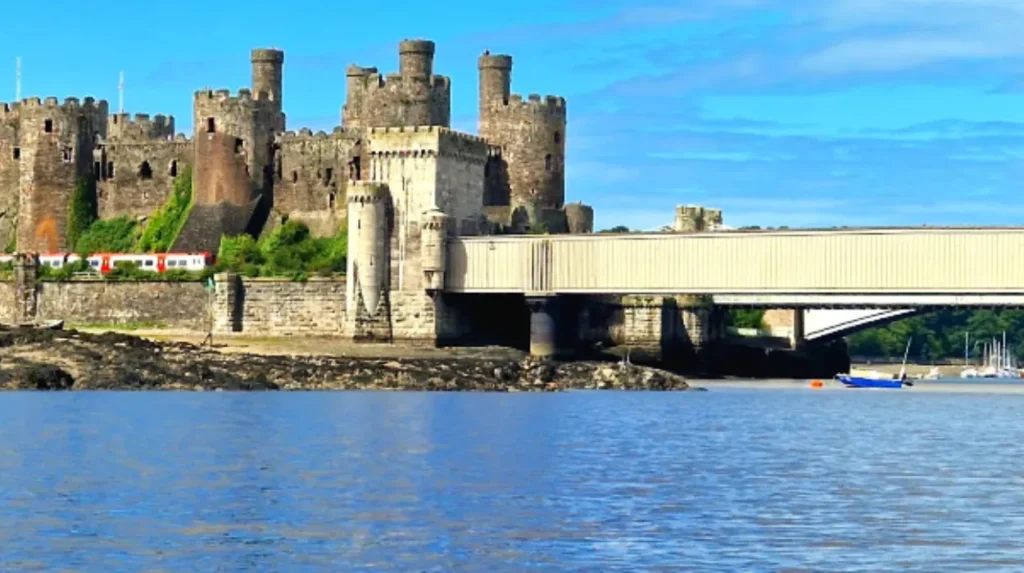
Conwy Castle stands on a coastal rock prominence overlooking the Conwy Estuary. Built between 1283 and 1287, the fortress includes eight massive towers and two fortified gateways. The adjacent town walls stretch for 1.2 kilometers with 21 original guard towers intact. Conwy represents one of the most complete medieval walled towns remaining in Western Europe. Visitors access inner wards, royal apartments, and restored battlements.
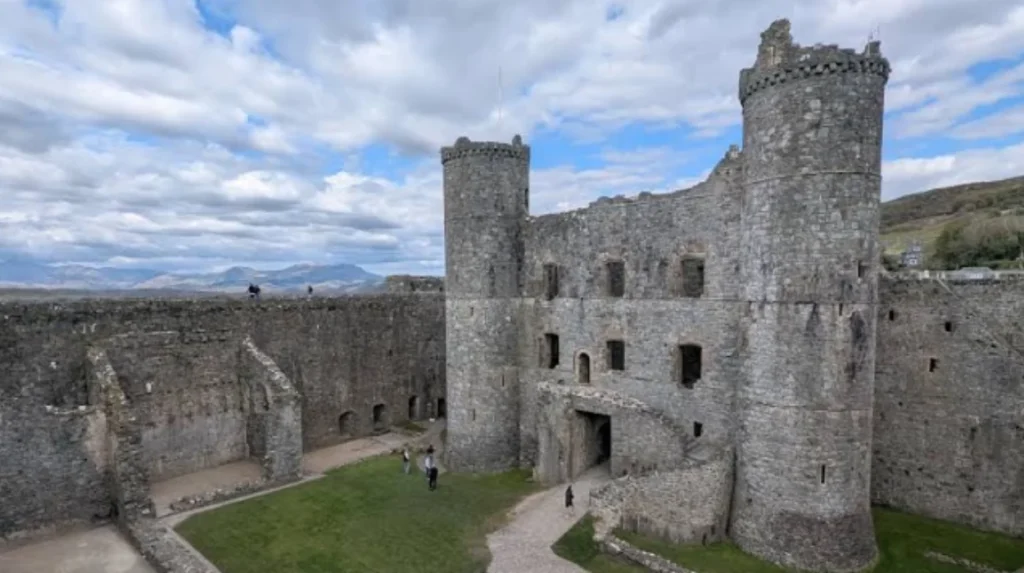
Tintern Abbey represents the finest surviving monastic ruin in South Wales. Founded in 1131 by Walter de Clare, Lord of Chepstow, the site sits in the Wye Valley. Cistercian monks occupied the gothic complex until King Henry VIII ordered the Dissolution of the Monasteries in 1536. The present church ruins date from a rebuilding project completed between 1269 and 1301. The central roofless nave reaches a height of 21 meters.
What Are the Most Scenic Coastal Destinations in Wales?
The Wales Coast Path opened in 2012 as the first continuous footpath covering an entire nation’s coastline. Key coastal destinations include the Llyn Peninsula, Anglesey Island, the Gower Peninsula, and Cardigan Bay. These regions host diverse marine wildlife, limestone sea arches, pristine sandy beaches, and protected maritime habitats.
The Gower Peninsula became the first designated Area of Outstanding Natural Beauty in the United Kingdom in 1956. Rhossili Bay spans three miles of sand on the western edge of Gower. The bay includes Worm’s Head, a tidal island accessible only during low tide hours. Marine surveys confirm that Cardigan Bay supports the largest resident population of bottlenose dolphins in Europe, with over 300 individuals recorded in official research registries.
Anglesey is the largest island in Wales, covering 714 square kilometers off the northwest coast. The Menai Suspension Bridge, completed by Thomas Telford in 1826, connects Anglesey to the Welsh mainland. South Stack Lighthouse sits on a small islet off Holyhead, rising 28 meters above sea level. The island contains 201 kilometers of coastline, prehistoric burial chambers such as Bryn Celli Ddu, and protected nesting sites for guillemots and razorbills.
The Llyn Peninsula extends 48 kilometers into the Irish Sea from northwestern Wales. Bardsey Island, located two kilometers off the tip of the peninsula, served as a religious pilgrimage center in the 6th century. Historical documents state three pilgrimages to Bardsey equaled one pilgrimage to Rome. The peninsula features protected granite peaks, traditional fishing harbors like Abersoch, and designated sites of special scientific interest.
Which Major Cities Offer the Best Cultural Experiences in Wales?
Cardiff, Swansea, and Newport serve as the principal urban cultural centers of South Wales. Cardiff became the official capital city of Wales in 1955 and contains a population exceeding 360,000 residents. Urban centers combine national museums, historic Victorian arcades, international sports arenas, and government institutions within compact geographical layouts.
Cardiff features Cardiff Castle, which combines Roman fort foundations, Norman keep structures, and Victorian Gothic architecture restored by the Third Marquess of Bute. The National Museum Cardiff houses one of the finest collections of Impressionist art in Europe, including works by Claude Monet and Auguste Rodin. Cardiff Bay contains the Wales Millennium Centre, an arts complex opened in 2004 that hosts the Welsh National Opera.
Swansea is the second-largest city in Wales, located along Swansea Bay. The city served as the global center of copper smelting during the 19th century, earning the nickname Copperopolis. The Dylan Thomas Centre celebrates the famous Welsh poet born in Swansea in 1914. Swansea Market represents the largest indoor market in Wales, operating continuously since the middle ages with over 100 stalls selling local culinary products.
St Davids holds official city status despite having a population under 2,000 residents. Located in Pembrokeshire, St Davids earned city status due to St Davids Cathedral, constructed in 1181. The cathedral holds the shrine of Saint David, the patron saint of Wales who died in 589 AD. The adjacent Bishop’s Palace ruins host outdoor theatrical performances and historical exhibitions during summer months.
How Does the Geography and Climate Influence Travel in Wales?
Wales experiences a temperate maritime climate influenced by the Gulf Stream ocean current. Average summer temperatures range between 18 and 22 degrees Celsius, while winter temperatures average between 2 and 7 degrees Celsius. Rainfall varies significantly by region, with central mountain ranges receiving over 3,000 millimeters of precipitation annually compared to 1,000 millimeters along eastern borders.
Transport infrastructure links major places to visit in Wales via road and rail network corridors. The South Wales mainline rail link connects Cardiff and Swansea directly to London Paddington in under two hours. The Cambrian Line railway traverses central Wales from Shrewsbury to Aberystwyth and Pwllheli. The A470 trunk road runs 299 kilometers from Cardiff in the south to Llandudno in the north, connecting major national parks.
Tourism contributes over 3.6 billion pounds annually to the economy of Wales, supporting more than 150,000 jobs. Peak tourist travel occurs between May and September when daylight hours reach up to 16 hours per day. Off-peak travel during autumn and winter months offers lower accommodation prices and reduced visitor density at primary cultural heritage sites.
Preservation initiatives manage visitor impact across delicate ecosystems and historic monuments. The National Trust manages over 78,000 hectares of land and 483 kilometers of coastline in Wales. Sustainable travel programs promote electric vehicle charging networks along major corridors, public transport integration, and leave-no-trace outdoor guidelines to protect natural heritage for future generations.
Frequently Asked Questions About Places to Visit in Wales
How many days are needed to explore the main places to visit in Wales?
A trip of 7 to 10 days allows visitors to see the primary regions of Wales effectively. This timeframe covers Cardiff, Pembrokeshire, and Eryri National Park without excessive travel stress. Shorter visits of 3 to 4 days are ideal for exploring specific single regions.
What is the best season of the year to travel to Wales?
The best time to visit Wales is between May and September due to warmer temperatures and longer daylight hours. July and August experience peak tourist crowds at popular coastal sites. May, June, and September offer pleasant weather with reduced visitor numbers.
Is it easy to travel around Wales without a private car?
Major cities like Cardiff, Swansea, and Newport connect easily via direct passenger train lines. National parks and rural coastal areas feature public bus networks such as the Sherpa’r Wyddfa service. A private vehicle provides greater flexibility for accessing remote valleys and rural landmarks.
What are the top free places to visit in Wales for tourists?
National museums in Wales offer free general entry to all visitors, including National Museum Cardiff and St Fagans National Museum of History. Exploring the 1,400-kilometer Wales Coast Path and national parks costs nothing. Public access to numerous historic ruin sites is also free.
Which places in Wales are best for outdoor adventure activities?
Eryri National Park offers world-class mountain hiking, rock climbing, and zip-line facilities at Zip World. Pembrokeshire Coast National Park is the premier destination for coasteering, sea kayaking, and surfing. Bannau Brycheiniog features excellent mountain biking and dark-sky stargazing opportunities.