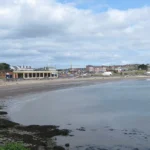

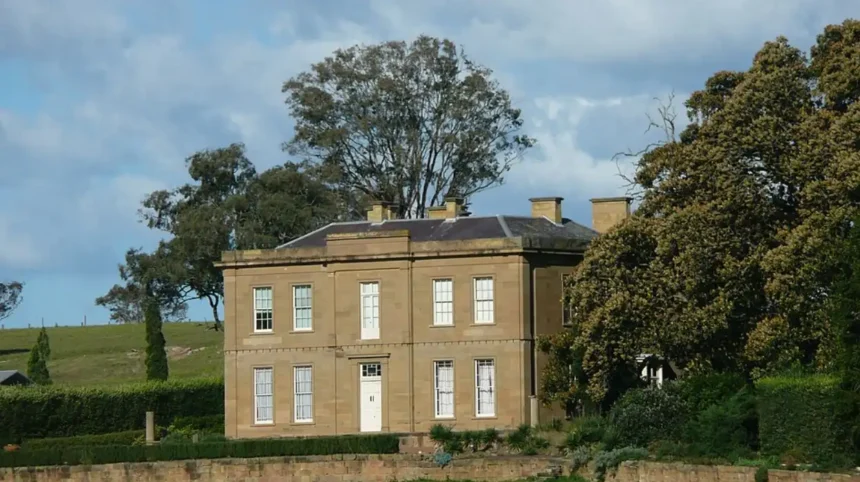
West Wales properties encompass a diverse housing stock spread across Pembrokeshire, Ceredigion, and Carmarthenshire. This market features coastal cottages, agricultural smallholdings, and suburban houses influenced by local planning restrictions and steady rural inward migration.
The regional housing sector in the western portion of Wales operates under a unique framework compared to urban English or South Wales markets. Geographically defined by Pembrokeshire, Ceredigion, and Carmarthenshire, the area contains a mixture of protected coastal reserves, rural agrarian communities, and historic market towns. Understanding the supply dynamics requires analyzing how rural topography restricts massive speculative development while maintaining steady historic building stock.
Residential listings in this region are predominantly composed of detached single-family homes, stone-built traditional cottages, converted agricultural barns, and specialized smallholdings. Because large parts of the territory fall within the Pembrokeshire Coast National Park or designated Areas of Outstanding Natural Beauty, local planning permissions are tightly regulated. This regulatory structure limits urban sprawl and preserves rural landscapes, which directly restricts the rapid expansion of modern housing developments.
Demand patterns across the three counties reflect a combination of primary home residency, agricultural investment, and lifestyle migration. Local employment centers such as Aberystwyth, Carmarthen, and Haverfordwest drive constant demand for suburban family homes. Meanwhile, scenic coastal regions attract retirees and remote workers seeking lower population density. Consequently, real estate in this region demonstrates resilience against economic downturns due to a persistent imbalance between limited physical supply and steady cross-demographic interest.
How Do Geography and County Boundaries Shape Property Values?
Property values across West Wales vary substantially based on proximity to the coastline, county planning policies, and regional infrastructure. Coastal Pembrokeshire commands premium valuations, whereas inland Carmarthenshire and rural Ceredigion offer greater square-footage value for agricultural or residential buyers.
The valuation hierarchy across western Welsh real estate is fundamentally dictated by sub-regional geography. Pembrokeshire consistently ranks as the highest-priced county in the region due to its world-renowned coastline and national park protections. Locations such as Tenby, Saundersfoot, uk/local/st-davids/">St Davids, and Newport command significant price premiums per square meter compared to inland settlements. Buyers in coastal Pembrokeshire pay a distinct location markup driven by finite geographic availability and aesthetic appeal.
Carmarthenshire presents a broader contrast between industrial history, suburban infrastructure, and rural farmland. The eastern and southern corridors near Llanelli and Carmarthen town benefit from direct transport links via the A48 and M4 motorways, creating steady demand for commuter housing. Farther north in Carmarthenshire, the landscape transitions to rolling agricultural valleys, where property values shift toward price-per-acre metrics rather than pure residential square footage.
Ceredigion displays a distinct market dynamic centered around education, culture, and coastal living. The northern anchor of Aberystwyth maintains a stable rental and sales market driven by Aberystwyth University and regional government employment. Southward along Cardigan Bay, towns like Aberaeron and Cardigan reflect high valuation metrics similar to Pembrokeshire. Inland Ceredigion, characterized by the Cambrian Mountains, features lower overall entry costs, making it a focus for buyers seeking isolation or smallholding setups.
What Are the Most Common Types of Residential Real Estate Available?
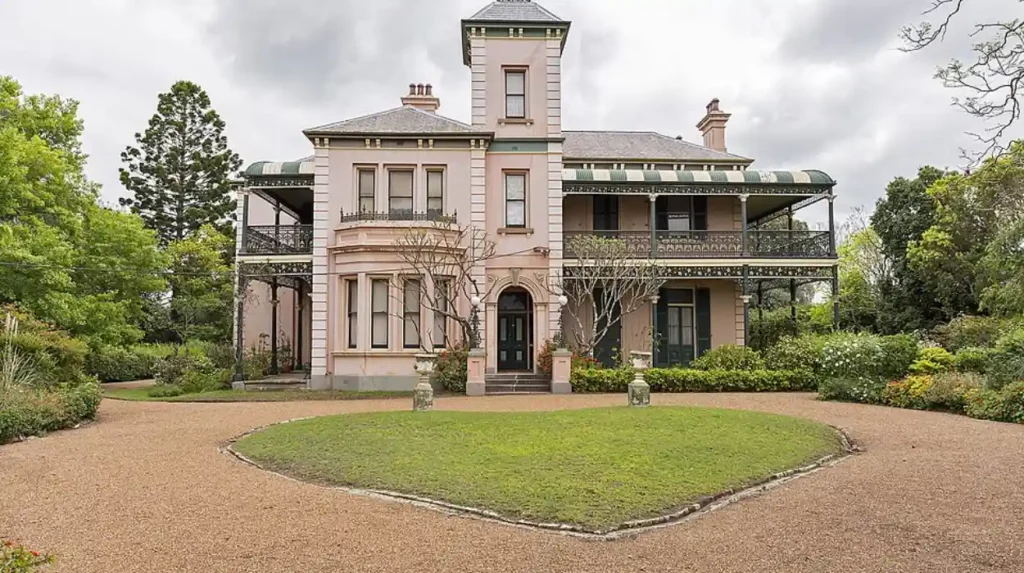
The property inventory consists primarily of detached homes, historic stone cottages, converted agricultural barns, smallholdings, and modern suburban estates. Each structural style caters to specific buyer demographics ranging from agricultural operators to retirees.
Detached houses form the largest share of traditional family housing in rural settlements. These structures vary from Victorian and Georgian townhouses in administrative hubs to 20th-century suburban bungalows built to accommodate an aging population. Bungalows in particular remain a high-demand sub-category due to limited new construction of single-level homes paired with strong retirement migration.
Traditional stone cottages represent a major portion of the character housing stock. Constructed from locally sourced slate, granite, or river stone, these dwellings feature thick solid walls, low ceilings, and deep-set windows. While visually distinctive, stone cottages require specific maintenance standards regarding damp protection and lime mortar masonry, which differentiates them from modern cavity-wall properties.
Smallholdings and converted barn complexes represent a unique segment of rural properties. Smallholdings typically combine a principal dwelling with 2 to 20 acres of land, suited for equestrian use, small-scale farming, or eco-living. Barn conversions transform former agricultural outbuildings into high-specification modern residences, often incorporating open-plan layouts and large glazed openings within historic timber and stone frames.
How Do Welsh Housing Regulations and Taxes Affect Property Ownership?
Property ownership in Wales is governed by devolved legislation including Land Transaction Tax, specific council tax premiums, and unique tenant laws. These regulatory frameworks require purchasers to account for distinct financial liabilities compared to English property transactions.
Devolved government powers in Cardiff mean that property taxation and housing policy in Wales differ significantly from English law. The primary tax liability during property acquisition is the Land Transaction Tax, administered by the Welsh Revenue Authority. Land Transaction Tax replaces Stamp Duty Land Tax and features distinct tax brackets, particularly for additional properties such as second homes or residential buy-to-let investments, which incur higher tax rates than main residences.
Local authorities across Pembrokeshire, Ceredigion, and Carmarthenshire hold the power to levy Council Tax premiums on secondary residences and long-term empty properties. These discretionary council tax surcharges can increase standard annual council tax bills by up to 300 percent depending on local council policies designed to return empty dwellings to local housing stock. Buyers evaluating non-primary residences must incorporate these potential annual liabilities into their long-term ownership budgets.
Tenancy regulation in Wales operates under the Renting Homes (Wales) Act. This framework replaced traditional tenancy agreements with standard occupation contracts and introduced extended notice periods for landlords seeking possession. Furthermore, short-term holiday letting properties face strict statutory thresholds, requiring homes to be let for a minimum number of actual days annually to qualify for business rates rather than residential council tax.
What Steps Are Required to Successfully Buy Property in West Wales?
Purchasing a home involves securing specialized legal representation, conducting rural-specific surveys, navigating local searches, and finalizing contract exchanges through Welsh legal channels. This process ensures protection against unrecorded rural easements, environmental risks, and structural defects.
The acquisition process begins with financial pre-approval and selecting legal conveyancers experienced in Welsh land law. Because rural properties frequently involve complex boundaries, private drainage systems, or agricultural covenants, hiring a local solicitor is crucial to identifying potential encumbrances. Once an offer is accepted, conveyancing solicitors submit local authority searches to check for local planning developments or road adoptability.
Physical property inspections require targeted survey choices based on age and construction. Standard Homebuyer Reports suit modern timber or cavity-brick structures, whereas a full Building Survey is vital for older stone cottages, listed properties, or converted agricultural buildings. Surveys assess structural integrity, timber dampness, roof timber condition, and the compliance of off-grid utility infrastructure such as septic tanks under Welsh environmental regulations.
Contracts are exchanged once search queries, surveys, and mortgage conditions are completely satisfied. At contract exchange, the buyer pays a non-refundable deposit, making the transaction legally binding for both buyer and seller. Completion follows shortly after, where the remaining balance is transferred via legal channels, ownership transfers at the Land Registry, and title deeds are officially updated.
Frequently Asked Questions
What is the average cost of buying a home in West Wales?
The average price varies heavily by location and property type. Inland Carmarthenshire offers lower entry points for family homes, while coastal Pembrokeshire commands significantly higher prices. Specific square-footage metrics and land sizes dictate final market values across the region.
Are there restrictions on owning a second home in West Wales?
Local councils in Pembrokeshire, Ceredigion, and Carmarthenshire impose Council Tax premiums on secondary homes. Additionally, short-term holiday rentals must meet strict annual occupancy minimums to qualify for business rates instead of council tax.
Do I need a specialized building survey for old stone cottages?
A full structural Building Survey is strongly recommended for historic or stone-built properties. Traditional Welsh cottages often utilize solid wall construction that requires detailed evaluation of damp insulation, timber frames, and lime mortar integrity.
How do Welsh property taxes differ from English stamp duty?
Wales utilizes the Land Transaction Tax administered by the Welsh Revenue Authority instead of Stamp Duty Land Tax. Land Transaction Tax has distinct percentage tiers and higher surcharge rates for purchasing secondary properties or buy-to-let investments.
Is remote working driving housing demand in West Wales?
Increased remote work flexibility has consistently fueled inward migration from urban centers. Buyers prioritize high-speed broadband availability, larger outdoor garden space, and proximity to natural coastal parks over short urban commutes.