

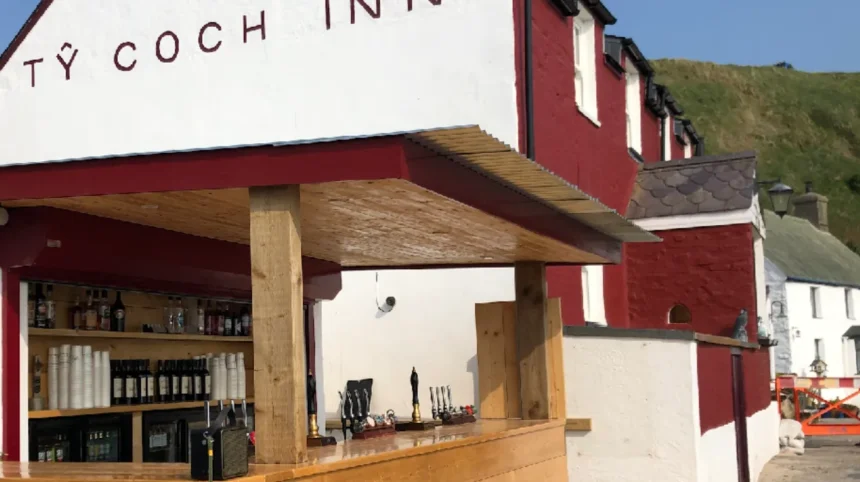
Coch Inn Wales represents a historic hospitality site in North Wales, originally established during the eighteenth century as a traditional coaching inn to serve travelers, merchants, and local agricultural workers along primary commercial transportation routes throughout the region.
- What Architectural Features Define Traditional Welsh Inns?
- How Did Drovers and Travelers Utilize Welsh Coaching Inns?
- What Cultural Significance Does Coch Inn Wales Hold for Local Communities?
- How Did the Expansion of Railways Impact Historic Welsh Inns?
- What Is the Role of Historic Welsh Inns in Modern Tourism?
- Frequently Asked Questions
- What made Coaching Inns like Coch Inn Wales essential in the 18th century?
- How did Welsh inns handle cattle drovers during their long journeys?
- Why do so many historic Welsh inns have the word “Coch” in their name?
- Did the arrival of railways destroy traditional Welsh inns?
- What architectural materials were used to build historic inns in Wales?
The origin of Coch Inn Wales links directly to the expansion of British turnpike trusts during the eighteenth century. Turnpike trusts improved road infrastructure across Wales, enabling stagecoaches to travel between major towns. The name Coch translates to red in the Welsh language, a common historical naming convention derived from red sandstone construction, red roof tiles, or distinct painted exteriors. Coaching inns were vital infrastructure nodes that provided lodging, fresh horses, food, and alcohol to travelers. Coch Inn Wales functioned as a staging post where coachmen swapped tired horses for rested animals to maintain strict postal and passenger timetables.
These establishments contained stables, haylofts, public taverns, and private sleeping quarters. The inn served as an economic hub for the immediate community, facilitating the exchange of local produce, livestock, and commercial intelligence. Historical records show that coaching inns across Wales doubled as informal courtrooms, auction houses, and political meeting spaces during the Georgian and Victorian eras. The location of Coch Inn Wales along established drovers routes ensured a steady flow of agricultural workers moving livestock from rural Welsh farms to English market towns. The survival of the site highlights the architectural and social evolution of Welsh rural commercial establishments over three centuries.
What Architectural Features Define Traditional Welsh Inns?
Traditional Welsh inns feature robust local stone masonry, low ceilings with exposed oak beams, thick slate roofing, and prominent central fireplaces, reflecting vernacular building techniques designed to withstand harsh prevailing weather conditions in mountainous coastal environments.
The architecture of historical Welsh inns reflects regional geology and practical climate adaptation. Coch Inn Wales incorporates native fieldstone or quarried limestone bound with traditional lime mortar, providing structural stability and thermal mass. Wall thicknesses frequently exceed two feet, insulating interior spaces against cold winters and heavy precipitation. Roof structures rely on heavy oak timber framing clad with Welsh slate sourced from famous regional quarries like Blaenau Ffestiniog or Dinorwic. The interior layout typically centers around a large open hearth or inglenook fireplace, which historically provided the primary source of heating and cooking capabilities for guests. Windows were designed as small multi-pane casements to minimize heat loss while admitting natural light.
Ceilings remain low, supported by hand-hewn oak ceiling joists that frequently originated as salvaged timber from local maritime industries or woodland clearing. Floor surfaces on the ground level traditionally utilized hand-cut flagstones, which resisted heavy wear from mud, work boots, and frequent foot traffic. Upper levels contained simple partition walls creating compact guest chambers accessible via steep wooden staircases. Additions constructed during the nineteenth century often introduced red brick chimneys or stucco wall finishes, blending Georgian symmetry with rugged Welsh vernacular architecture. Modern restoration efforts prioritize retaining these original structural elements to preserve authentic cultural heritage.
How Did Drovers and Travelers Utilize Welsh Coaching Inns?

Drovers and travelers used Welsh coaching inns as vital resting stops to secure shelter, fresh supplies, livestock holding areas, and commercial trading opportunities while navigating rugged mountain passes and rural trade routes across historical Wales.
The economic landscape of historical Wales depended heavily on the drovers trade, where agricultural workers herded thousands of cattle, sheep, and geese from Welsh pastures to metropolitan markets in England. Drovers required specialized accommodation that included secure pasture fields, water sources, and reliable food supplies along established routes. Inns like Coch Inn Wales fulfilled these requirements by maintaining designated holding paddocks adjacent to the main tavern buildings. The innkeepers provided basic overnight meals, warm fires, and shared sleeping spaces for drovers traveling under difficult weather conditions. Stagecoach travelers, who represented a higher socio-economic tier, utilized the inn for scheduled meal breaks while coach horses were unharnessed and replaced.
The arrival of a stagecoach signaled the delivery of news, letters, and imported goods to isolated rural communities. Inns served as the principal distribution points for postal services prior to the establishment of dedicated government post offices. Tavern rooms acted as social crossroads where local residents interacted with traveling merchants, legal officials, and itinerant laborers. Financial transactions, land leases, and employment agreements were frequently negotiated and finalized within the public rooms of the inn. The operational model of coaching inns relied on complex logistical coordination between innkeepers, ostlers, cooks, and local farmers who supplied oats, hay, and fresh meat to sustain continuous daily operations.
What Cultural Significance Does Coch Inn Wales Hold for Local Communities?
Coch Inn Wales holds significant cultural value as an enduring symbol of community cohesion, Welsh language preservation, local folklore transmission, and architectural heritage within the historical narrative of North Wales rural settlements.
Public houses and coaching inns have historically served as primary social institutions in rural Wales, second only to religious chapels in community importance. Coch Inn Wales provided a neutral public space where local residents gathered to discuss agricultural yields, political developments, and regional news. The inn environment supported the oral tradition of Welsh storytelling, folk music, and poetry recitations, which were essential for preserving regional identity and the Welsh language. During the nineteenth century, local agricultural societies and friendly benefit clubs regularly held their formal annual meetings within the dining rooms of regional inns.
These organizations provided financial support to members during periods of illness or unemployment, making the inn a central hub for early community welfare networks. The site also served as an administrative center where local magistrates conducted petty sessions to resolve property disputes and petty crimes. Architectural landmarks like Coch Inn Wales connect modern generations directly to the economic history of the region, illustrating how small rural settlements adapted to changing transport technologies over time. The preservation of original Welsh place names, such as Coch, maintains linguistic continuity across centuries of societal change. Community events, local celebrations, and informal gatherings continue to rely on historic public houses as focal points for maintaining social networks and regional identity in modern Wales.
How Did the Expansion of Railways Impact Historic Welsh Inns?
The expansion of the British railway network during the mid-nineteenth century drastically altered traditional travel patterns, leading to the decline of coaching stage lines and forcing rural inns to adapt toward localized leisure tourism.
The introduction of steam-powered railways in the 1840s and 1850s transformed national transportation infrastructure, rendering horse-drawn stagecoaches obsolete within a few decades. Mainline rail routes bypassed many traditional turnpike roads, causing passenger traffic at rural coaching inns to decline rapidly. Coch Inn Wales and similar establishments lost their primary income stream derived from horse changing services, stagecoach staging fees, and long-distance passenger meals. Rail transport allowed travelers to move across North Wales in hours rather than days, eliminating the necessity for frequent overnight lodging stops along rural roadways. To survive this profound economic disruption, rural innkeepers shifted their commercial focus toward catering to local agricultural trade, rural postal delivery workers, and an emerging class of Victorian leisure tourists.
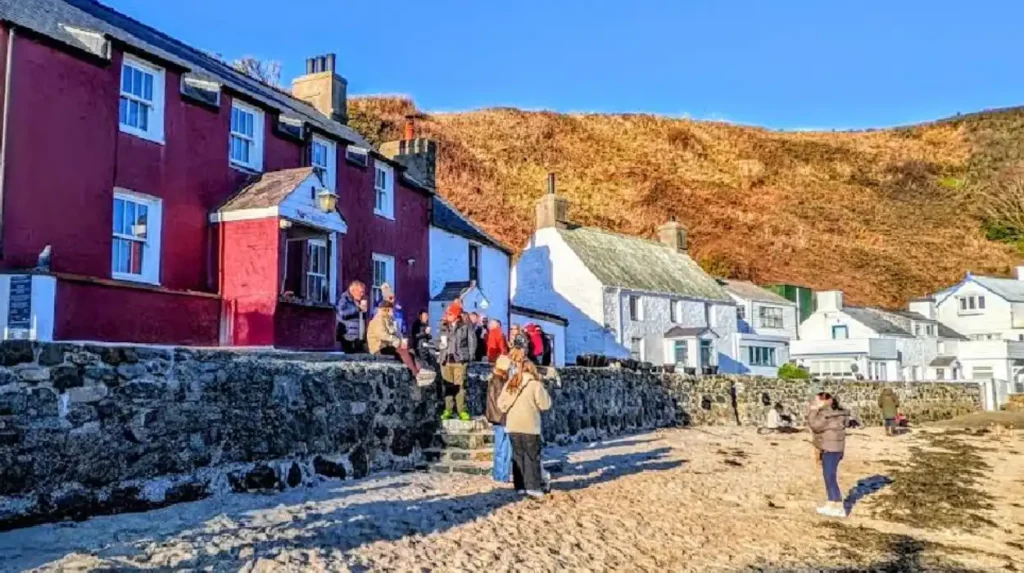
The Victorian era marked the rise of excursion travel, as urban residents from industrial centers like Manchester and Liverpool used railways to visit scenic Welsh mountains and coastal areas. Historic inns positioned near newly built railway stations transformed their facilities into destination hotels catering to hikers, anglers, and holidaymakers seeking natural landscapes. Stabling areas were frequently converted into additional guest bedrooms, dining halls, or storage facilities for bicycles and motorcars in later decades. This structural shift allowed historic Welsh inns to transition from utilitarian transport nodes into modern hospitality and tourism destinations.
What Is the Role of Historic Welsh Inns in Modern Tourism?
Historic Welsh inns serve as key drivers of modern heritage tourism by offering authentic cultural accommodations, promoting local food supply chains, and preserving tangible architectural history for international and domestic travelers.
Modern travelers increasingly seek authentic heritage experiences, driving sustained demand for preserved historic inns throughout Wales. Coch Inn Wales contributes to the regional economy by attracting domestic hikers, international tourists, and cultural heritage enthusiasts who prefer character-driven lodgings over modern chain hotels. These historic properties often sit near major national trails, such as the Wales Coast Path or Snowdonia National Park routes, making them ideal bases for outdoor recreation. Preservation regulations enforced by heritage bodies ensure that structural renovations maintain historical integrity while integrating modern plumbing, heating, and high-speed communications infrastructure. The hospitality operations within historic inns emphasize regional gastronomy by sourcing ingredients directly from local Welsh farms, dairies, and coastal fisheries.
This integration supports regional agricultural ecosystems and provides guests with traditional Welsh culinary offerings, such as Welsh rarebit, cawl, and local craft ales. By preserving original stone fireplaces, historic woodwork, and local architectural styles, these properties function as living museums that educate visitors on regional history. The economic revenue generated by tourism provides private owners with the necessary capital to maintain ancient building envelopes, preventing structural deterioration. Historic inns remain essential components of Wales tourism identity, bridging historical heritage with contemporary hospitality demands.
Frequently Asked Questions
What made Coaching Inns like Coch Inn Wales essential in the 18th century?
Coaching inns provided vital infrastructure for long-distance travel, offering fresh horses, hot meals, and secure lodging. They served as key communication hubs where mail was delivered and news was exchanged across rural regions. Without these inns, regional trade and postal services could not function efficiently.
How did Welsh inns handle cattle drovers during their long journeys?
Inns catered to drovers by providing specialized holding paddocks and water sources for large herds of livestock. Drovers received basic overnight lodging, hearty meals, and shared sleeping spaces before continuing their multi-week journeys toward English markets. These services were essential for maintaining the health of the livestock.
Why do so many historic Welsh inns have the word “Coch” in their name?
The Welsh word “Coch” translates directly to red in English and usually refers to an architectural feature of the building. It often designated the use of red sandstone, red roof tiles, or distinct red exterior paint used to make the establishment easily recognizable to illiterate travelers from a distance.
Did the arrival of railways destroy traditional Welsh inns?
Railways drastically reduced long-distance stagecoach traffic, forcing many coaching inns to lose their primary horse-changing revenue. However, successful inns adapted by shifting focus to local community trade, agricultural markets, and the emerging Victorian leisure tourism market, surviving as destination hotels.
What architectural materials were used to build historic inns in Wales?
Historic Welsh inns were constructed using thick native fieldstone or limestone with lime mortar to withstand severe weather. Roofs were built using heavy local timber frames covered with Welsh slate, while interiors featured hand-cut flagstone floors and large central fireplaces for heating.