

Greenacres Farm North Wales represents a historically significant agricultural and leisure destination situated near the coastal region of Gwynedd. The property traces its operational origins back to traditional Welsh livestock farming and land cultivation practices typical of the nineteenth century.
The geography of North Wales played a critical role in shaping the operational footprint of Greenacres Farm. Situated on the coastal plain near Morfa Bychan and the Llŷn Peninsula, the land historically relied on alluvial soil deposits suitable for mixed agricultural production. During the mid-twentieth century, as post-war tourism expanded across the United Kingdom, agricultural properties across the region shifted toward dual-purpose land use. Farms transformed portions of their acreage into managed outdoor recreational hubs, camping infrastructure, and educational rural centers. Today, the site functions as an important link between heritage rural land management and modern regional tourism in Gwynedd.
What key features and infrastructure define the site?
Greenacres Farm North Wales encompasses a structured layout designed to accommodate agricultural operations alongside educational displays and family-oriented open spaces. The site features traditional farm architecture, secure livestock enclosures, and dedicated pedestrian pathways.
The core physical infrastructure includes timber-framed barn facilities, open-air paddocks, and indoor visitor amenities designed for inclement weather conditions. Modern enhancements have introduced designated livestock handling zones, protective fencing, and accessible paved corridors to support high volumes of visitors. The perimeter of the site aligns with local ecological reserves and coastal dune systems, creating a distinct boundary between cultivated agricultural land and natural coastal habitats. These infrastructural elements ensure that livestock management remains fully compliant with animal welfare regulations while providing safe public access.
How does Greenacres Farm integrate with local wildlife habitats?
Greenacres Farm North Wales operates directly adjacent to protected coastal wetlands and sand dune ecosystems, forming a vital buffer zone for local wildlife. The site integrates sustainable land management practices to maintain soil health and support native biodiversity.
Agricultural land management on the property aligns with conservation guidelines established for the Gwynedd coastline. Grazing management programs control vegetation density in surrounding pastures, preventing invasive flora from overtaking native coastal grasses. The boundary areas host protected species including natterjack toads, sand lizards, and various migratory seabirds that roost in the nearby Black Rock Sands ecosystem. By limiting chemical fertilizers and preserving natural drainage channels, the site ensures minimal run-off into local waterways, maintaining ecological stability across the coastal plain.
What agricultural activities and livestock management practices are used?
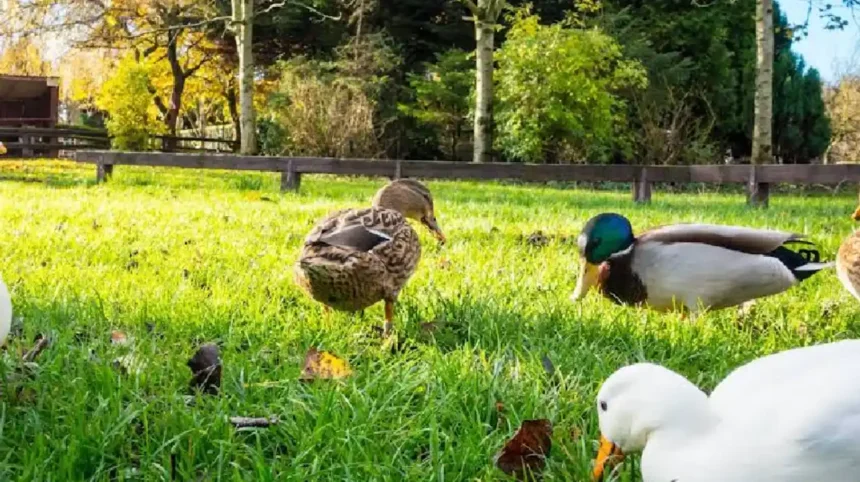
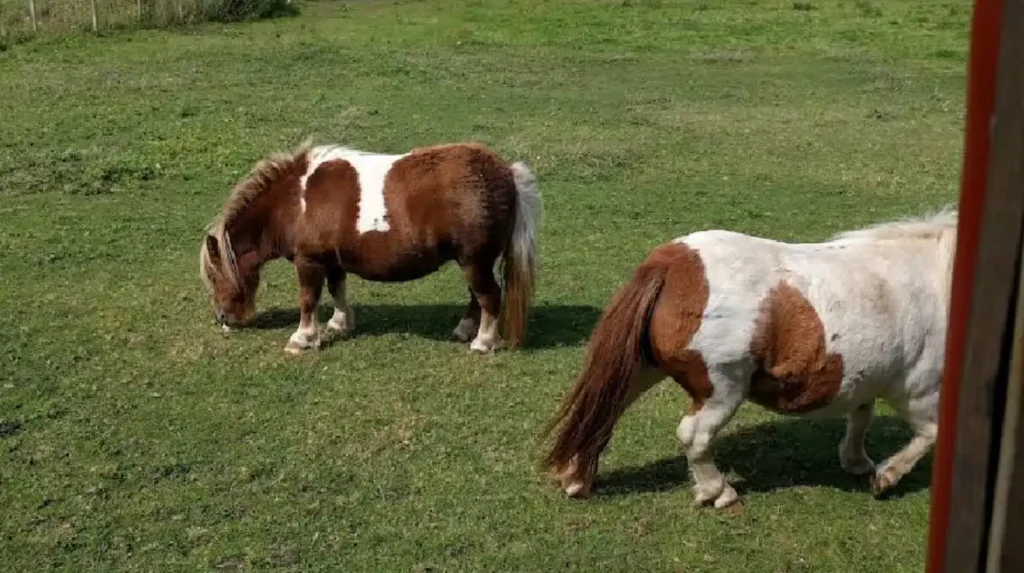
Greenacres Farm North Wales utilizes traditional livestock management protocols combined with modern veterinary standards to maintain domestic animal herds. The primary livestock categories include sheep, cattle, poultry, and small domesticated mammals.
The daily agricultural process follows strict operational routines focused on animal nutrition, pasture rotation, and seasonal health inspections. Grazing rotational cycles are implemented across defined paddock areas to prevent soil erosion and promote forage regeneration. During the spring lambing season, specialized indoor enclosures protect vulnerable newborn animals from coastal weather conditions. The farm maintains detailed compliance logs for livestock traceability under UK agricultural standards, ensuring that all animal husbandry practices meet national bio-security and welfare protocols.
What educational programs are available at Greenacres Farm North Wales?
Greenacres Farm North Wales provides structured educational programs focused on agriculture, food provenance, and environmental stewardship for school groups and general visitors. These interactive curricula align with primary level environmental science frameworks.
Visitors participate in guided educational demonstrations covering the lifecycle of domestic farm animals, milk production processes, and crop cultivation techniques. Guided walks across the property highlight the historical evolution of Welsh farming methods from manual labor to modern mechanized practices. Interactive sessions allow supervised learning experiences regarding animal feeding requirements, grooming techniques, and the economic role of farming in rural communities. Educational signage throughout the facility provides factual context on biodiversity, land conservation, and sustainable agriculture.
What are the top surrounding attractions near Greenacres Farm North Wales?
Greenacres Farm North Wales sits within proximity to several major geographical, historical, and recreational landmarks in the Gwynedd region. The surrounding area features coastal beaches, national park networks, and heritage transport systems.
The immediate area includes Black Rock Sands, a broad two-mile stretch of coastline known for its geological dune formations and tidal ecosystems. Located four miles to the east, the historic harbor town of Porthmadog offers access to the Ffestiniog and Welsh Highland Railways, representing preserved nineteenth-century industrial transport infrastructure. To the north, Eryri National Park provides mountain trails and botanical habitats spanning thousands of acres. These adjacent destinations position Greenacres as a central point within a broader regional heritage corridor.
How does the climate affect visits to Greenacres Farm North Wales?
Greenacres Farm North Wales experiences a temperate maritime climate characterized by moderate temperatures, frequent precipitation, and coastal wind patterns throughout the year. Weather patterns directly influence operational schedules and outdoor accessibility.
The summer season, running from June through August, offers daylight hours averaging sixteen hours per day with mean maximum temperatures reaching nineteen degrees Celsius. Autumn and winter bring increased rainfall and coastal gales, shifting operational activities toward covered barn facilities and indoor exhibit spaces. Standard visitor preparations require weather-resistant outerwear and footwear suitable for damp pasture conditions. The farm monitors regional meteorological reports to adjust outdoor animal displays and ensure visitor safety during adverse weather events.
Frequently Asked Questions
What is the best time of year to visit Greenacres Farm North Wales?
The ideal period to visit is between May and August when daylight hours are longest and weather conditions remain dry. Spring is also popular because visitors can view newborn lambs and spring livestock demonstrations. Summer months offer full access to surrounding coastal paths and outdoor paddocks.
Is Greenacres Farm North Wales accessible for wheelchair users?
Yes, the facility includes paved main pathways, ramped access points for major indoor barns, and accessible restrooms. Flat terrain across the coastal plain makes navigation straightforward compared to hilly regional sites. Certain unpaved paddock boundaries may require all-terrain assistance during wet weather.
Are dogs allowed on the grounds at Greenacres Farm North Wales?
Dogs are generally permitted on designated outdoor walking paths provided they remain on a short lead at all times. Pets are restricted from direct livestock handling zones and indoor animal contact areas to ensure biosecurity and animal welfare compliance.
How far is Greenacres Farm from major transport hubs?
The site is approximately four miles from Porthmadog railway station, which connects to the main Cambrian Line network. Local bus services operate regular routes between Porthmadog, Morfa Bychan, and the surrounding holiday destinations.
What footwear is recommended for visiting the farm?
Sturdy closed-toe walking shoes, boots, or waterproof footwear are recommended due to variable ground conditions. Unpaved farm tracks and grassy pastures can become muddy following rain showers.