
All Sport Wales frameworks distribute public and National Lottery resources to expand community athletics, modernize facility infrastructure, and ensure equitable access to physical activities across all twenty-two local authority areas in Wales.
- What is the official role of Sport Wales in national athletics?
- How do regional sport partnerships distribute localized funding?
- Which grant schemes are available for local Welsh sports clubs
- How does physical literacy integration improve long-term participation?
- What role does elite athlete support play in international success?
- How do facilities impact public health and community sports access?
- Frequently Asked Questions
Sport Wales operates as the national organisation responsible for developing and promoting physical activity throughout the nation. Operating under a Royal Charter established in February 1972, the organisation acts as the primary adviser on sporting matters to the Welsh Government. The administration manages both government allocations and National Lottery distribution funds to support grass-roots clubs, school programs, and high-performance elite athletes. Funding frameworks are designed to reduce financial barriers to participation, establish sustainable club management, and modernise recreational infrastructure in urban and rural regions. Specific investments target underrepresented populations, including women, girls, disabled participants, and economically disadvantaged communities. Organizations operating under this umbrella must comply with statutory requirements, including the Welsh Language Standards of 2015, ensuring all grant applications, promotional materials, and delivery frameworks operate bilingually in Welsh and English.
What is the official role of Sport Wales in national athletics?
Sport Wales acts as the statutory body directing national uk/sports/">sports policy, allocating state resources, managing national sport centres, and supporting national governing bodies to foster elite athletic performance and lifelong community participation across the country.
The primary mandate of Sport Wales involves converting government health and activity objectives into practical community programs. The organisation maintains administrative oversight of national facilities, including Plas Menai National Outdoor Centre in North Wales and the Sport Wales National Centre in Sophia Gardens, Cardiff. These locations serve as training grounds for elite athletes preparing for international events such as the Commonwealth Games and Olympic Games. Additionally, Sport Wales allocates resources to more than forty recognized National Governing Bodies of sport, including the Welsh Rugby Union, Football Association of Wales, and Welsh Athletics. These governing bodies use distributed funds to recruit certified coaches, maintain safety protocols, and build structured competition pathways. Through continuous insight collection and national participation surveys, Sport Wales analyzes athletic engagement trends to guide national policy.
How do regional sport partnerships distribute localized funding?
Regional sport partnerships distribute localized funding by aggregating regional grants, aligning local authority priorities, streamlining administrative costs, and executing targeted participation programs tailored to specific geographic population needs across Wales.
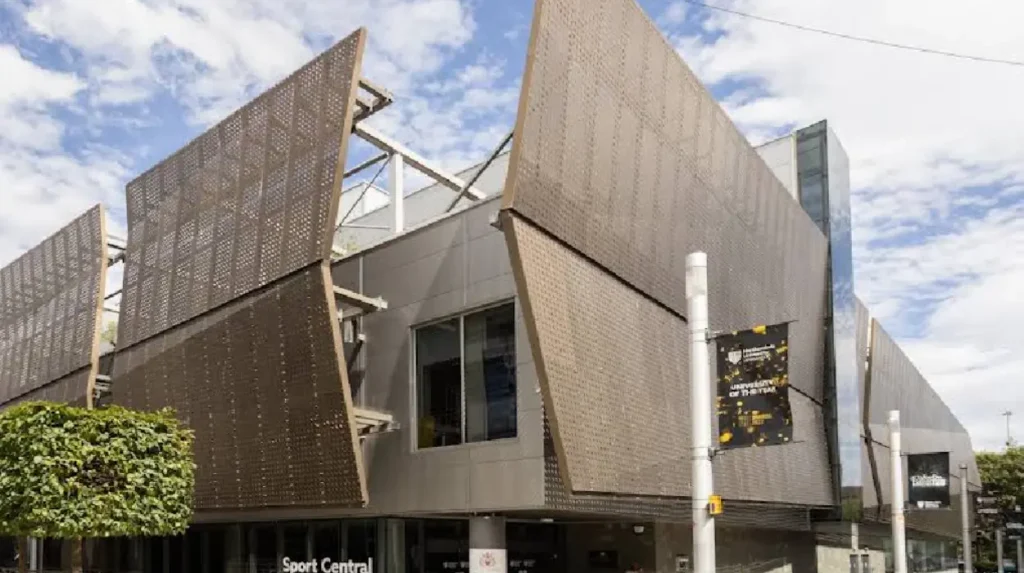
Wales transitioned to a regional sports delivery model to streamline funding and eliminate fragmented administrative processes. This structure groups the twenty-two local authorities into five distinct regional entities: Actif North Wales, Sport Central South, Active Gwent, West Wales, and Central Wales. For example, Actif North Wales integrates operational strategies across six northern local authority areas to share administrative resources and pool grant funding. Under this decentralized system, Sport Wales awards aggregated annual grants to the designated host local authority or regional company, which then manages local allocations based on regional insight data. Regional boards include representatives from public health boards, higher education institutions, leisure trusts, and local councils. This collaborative governance ensures financial allocations address regional health inequities, facility shortages, and community participation gaps efficiently.
Which grant schemes are available for local Welsh sports clubs
Local Welsh sports clubs can access several grant schemes, including the Be Active Wales Fund, Energy Support Fund, and capital facility grants funded by the National Lottery and Welsh Government.
The primary financial resource for community athletics is the Be Active Wales Fund. This scheme provides grants ranging from three hundred pounds to ten thousand pounds for non-profit sports clubs, voluntary groups, and community organizations. Eligible expenditures include purchasing essential equipment, paying for coach education qualifications, launching new participation sessions, and establishing specialized disability sections. Additionally, targeted capital investment funds support physical facility upgrades, such as converting traditional grass pitches to all-weather surface facilities, installing energy-efficient LED floodlighting, and building accessible changing rooms. Clubs applying for financial assistance must submit formal governance documentation, including a verified constitution, an active bank account requiring two independent signatories, and an official safeguarding policy. All grant schemes strictly enforce compliance with bilingual delivery guidelines to protect language rights.
How does physical literacy integration improve long-term participation?
Physical literacy integration improves long-term participation by developing fundamental movement skills, personal confidence, and physical competence early in life, encouraging lifelong engagement in sports and physical activities.
Physical literacy forms the foundation of sports development policies in Wales. Defined as the motivation, confidence, physical competence, knowledge, and understanding required to value and take responsibility for engagement in physical activities for life, this concept guides early childhood intervention strategies. Sport Wales collaborates with primary schools, secondary education providers, and youth organizations to embed physical literacy principles into educational curricula. Programs focus on teaching basic movement skills, such as running, jumping, balancing, and throwing, during early developmental stages. Research shows that children who acquire high physical literacy levels before age twelve are significantly more likely to remain active during adulthood. By shifting focus from immediate competitive outcomes to personal confidence and movement mastery, physical literacy programs reduce early dropout rates in organized youth sports.
What role does elite athlete support play in international success?
Elite athlete support provides direct financial stipends, world-class coaching, sports science services, and medical management through the Sport Wales Institute to ensure Welsh athletes achieve international sporting success.
The Sport Wales Institute acts as the high-performance delivery arm for national athletes competing on the international stage. Elite performance programs offer sports science support, including performance analysis, strength and conditioning, biomechanics, sports nutrition, and specialized sports psychology. High-performance athletes receive access to medical screening, physical therapy, and soft tissue treatment to minimize injury risks during preparation cycles.
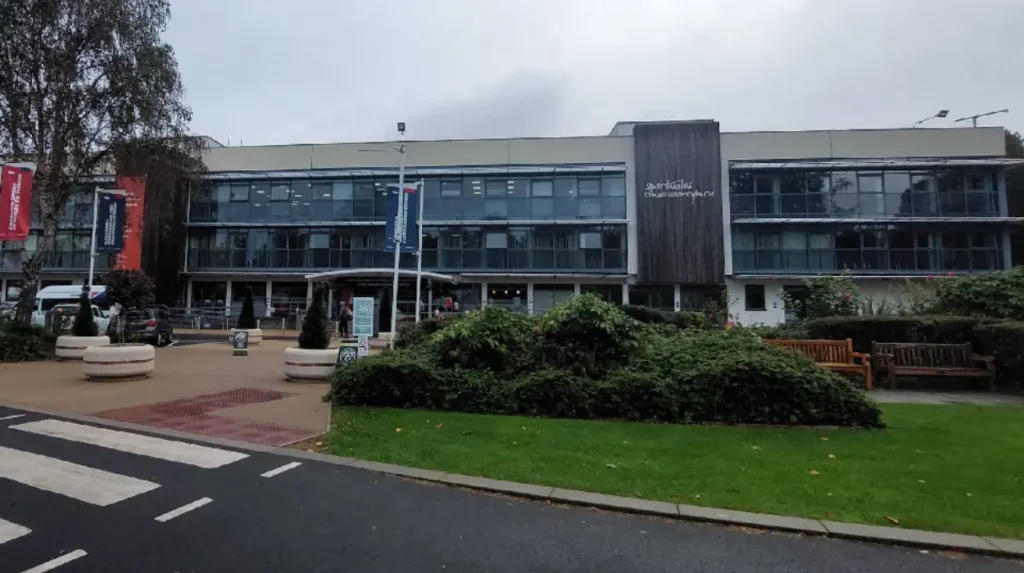
Financial support flows through elite athlete award schemes, offsetting living costs, travel expenses, and competition equipment fees. This centralized high-performance network enables Welsh athletes to represent Team Cymru successfully at the Commonwealth Games and contribute to Team GB rosters at the Summer and Winter Olympic Games. Performance management teams track objective athletic benchmarks to ensure targeted financial distribution to promising development athletes.
How do facilities impact public health and community sports access?
Modern sports facilities improve public health by offering safe, accessible spaces for physical activity, which reduces chronic disease incidence, improves mental well-being, and strengthens social cohesion across diverse communities.
The availability of modern sports infrastructure directly influences local participation rates and general public health metrics. Community leisure centres, public swimming pools, synthetic turf pitches, and outdoor recreation parks serve as key hubs for preventive healthcare. Regular participation in organized sports or individual physical exercise lowers the risk of cardiovascular disease, type two diabetes, and clinical obesity. Furthermore, community sports facilities host social initiatives that reduce isolation among older demographics and provide positive structured environments for youth. Investments in facility accessibility ensure that individuals with mobility impairments or physical disabilities have step-free access, specialized changing places, and adaptive equipment. By maintaining high-quality physical assets within local communities, regional authorities foster active environments that support long-term population health objectives.
- : Read More: Learn about ongoing local council infrastructure projects and Newport public consultation updates.
Frequently Asked Questions
What is the primary purpose of Sport Wales?
Sport Wales is the statutory body responsible for developing and promoting physical activity across Wales. It distributes National Lottery and Welsh Government funding to community clubs, school initiatives, and elite athletic programs.
Who can apply for the Be Active Wales Fund?
Non-profit sports clubs, voluntary groups, and community organizations based in Wales can apply for funding. Applicants must have an official constitution, a designated bank account, and clear child safeguarding policies in place.
How are sports funds managed regionally in Wales?
Funding is managed through five regional sport partnerships that aggregate resources across local authorities. These partnerships align grant distributions with local demographic insights and public health priorities.
Does Sport Wales support bilingual grant applications?
Yes, all grant schemes managed by Sport Wales must comply fully with Welsh Language Standards. Applicants can complete the entire funding process in Welsh or English without disadvantage.
What is physical literacy in Welsh sports development?
Physical literacy refers to developing fundamental movement skills, confidence, and physical competence early in life. This foundation encourages individuals to maintain active, healthy lifestyles throughout adulthood.