

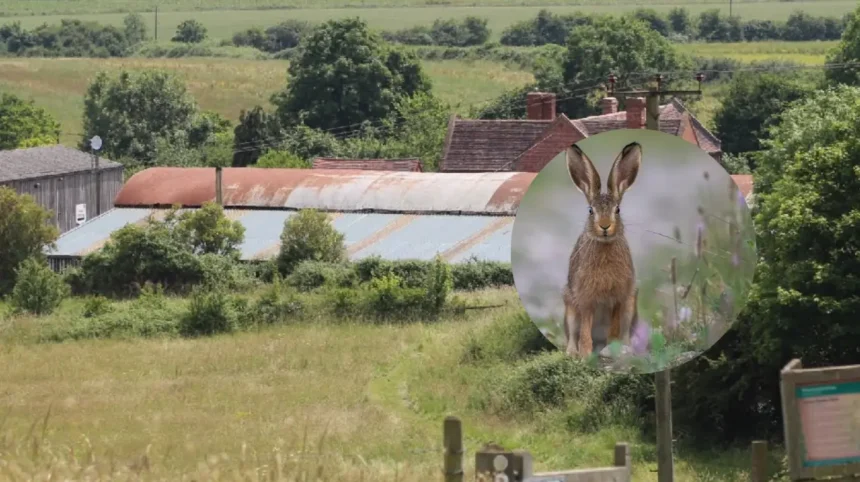
Key Points
- Operation Snare has been instigated by West Mercia Police to combat illegal hare coursing and rural crime in Shropshire.
- The operation has been initiated during National Rural Crime Action Week due to the early harvest that has made farmlands more vulnerable.
- Hare coursing, according to police, leads to trespassing, damage to agricultural land, intimidation, anti-social behavior, and organized crime.
- Farmers, rural community, the National Farmers’ Union and the Worcestershire Wildlife Trust are involved in the operation alongside police officers.
- Increased patrols will be undertaken during important times as well as at vulnerable locations in regard to hare coursing.
- Criminal behavior orders may be sought from suspects as well as any vehicles that are utilized for hare coursing and anti-social driving.
- Suspicious vehicles, groups with sighthounds and cases of criminal damage should be reported to the police.
- Emergency cases should be notified to 999 whereas other reports may be made on 101 or the West Mercia Police website.
- Witnesses should supply information on vehicles, number of dogs along with their breeds, locations and directions of travel.
- Only when it is safe to do so should photographs and videos be taken.
Wales (Wales Times) September 14, 2026 – West Mercia Police has launched a hare coursing crackdown through Operation Snare, targeting illegal activity across the countryside following this year’s early harvest.
- Key Points
- Why has Operation Snare been launched after the harvest?
- What has police said about organised offenders?
- How can farmers and rural residents report hare coursing?
- Which organisations are supporting the police operation?
- What legal action could offenders face?
- What signs of hare coursing should people look for?
- What has been reported about hare coursing elsewhere?
- Background: What is hare coursing and why does it increase after harvest?
- Prediction: How could Operation Snare affect Shropshire’s rural communities?
The operation is focused on hare coursing and wider rural crime, including trespass, damage to farmland, anti-social behaviour and intimidation. Police say the activity can also be associated with organised criminality and has a broader effect on rural communities.
The announcement was reported by the Border Counties Advertizer in a report titled “Police target illegal hare coursing across Shropshire”. The report attributed the police statements to Inspector Billy Keys of West Mercia Police’s Prevention Hub South.
The force introduced Operation Snare during National Rural Crime Action Week. It is being carried out with the farming community and partner organisations, including the National Farmers’ Union and Worcestershire Wildlife Trust.
Police say the timing reflects the condition of the countryside after an early harvest. With fields more exposed, offenders may find it easier to identify and access areas where wildlife can be targeted.
Why has Operation Snare been launched after the harvest?
Hare coursing is particularly prevalent after fields have been harvested, according to Inspector Keys. The removal of crops can make open farmland easier to access and can improve visibility across agricultural areas.
The early harvest has left fields more exposed and made it easier for offenders to spot and target wildlife. Police have therefore warned landowners, farmers and rural residents to remain vigilant during the period following the harvest.
The operation is not limited to the pursuit of hares. Police say reports involving offenders have also included off-road vehicles entering farmland without permission, damage to farms and intimidation directed at farmers.
Inspector Keys said hare coursing was “a cruel and harmful activity” that was particularly common in the countryside after harvest. He said West Mercia Police was working with farmers, rural communities and partner organisations to target those responsible through Operation Snare.
The force has described hare coursing as a serious crime with consequences beyond the immediate activity. Trespass can disrupt farming operations, while vehicles driving across land may damage crops, soil, gateways, tracks and other agricultural infrastructure.
What has police said about organised offenders?
West Mercia Police said it was seeing more reports of organised offenders using off-road vehicles to trespass on land. Some incidents have also involved damage to farms and intimidation of farmers.
Inspector Keys said police would consider using powers under the Anti-social Behaviour, Crime and Policing Act 2014 against people involved in the activity. The force may seek Criminal Behaviour Orders against offenders and seize vehicles being driven in an anti-social manner or used to commit hare coursing.
The police response will include increased patrols at key times and in locations considered vulnerable. The force has not publicly identified all the areas involved, but it has urged communities to report suspicious behaviour so officers can build intelligence and direct resources.
The use of off-road vehicles is a significant element of the police warning. Reports of vehicles entering farmland can help officers identify patterns, repeated locations and possible links between incidents. Vehicle registrations, descriptions and travel directions may also assist investigations.
Police have stressed that members of the public should not put themselves at risk while collecting information. Any photographs or video footage should only be taken if it is safe to do so.
How can farmers and rural residents report hare coursing?
West Mercia Police is asking the public to report suspicious vehicles on farmland, groups accompanied by sighthounds and any evidence of criminal damage.
A report should include as much accurate information as possible. Inspector Keys identified the following details as useful:
- The vehicle registration number, where it can be obtained safely.
- The vehicle’s make, model and colour.
- The number of people inside or around the vehicle.
- The number of dogs involved.
- The breed or type of dogs.
- The exact location of the suspected activity.
- The direction in which people or vehicles travelled.
- Photographs or video footage, but only where it is safe to record them.
The force has advised people to call 999 when hare coursing is taking place or when there is an emergency. Non-urgent concerns can be reported through the 101 service or the West Mercia Police website.
The distinction between emergency and non-emergency reporting is important. A live incident may require a rapid police response, while information about an earlier event can still help officers identify repeat offenders and plan patrols.
The police advice is not to confront suspected hare coursers. People living or working in rural areas should prioritise their personal safety and avoid approaching individuals or vehicles involved in suspected criminal activity.
Which organisations are supporting the police operation?
West Mercia Police is working with farmers, rural communities and partner organisations as part of Operation Snare. The partners named in the report include the National Farmers’ Union and Worcestershire Wildlife Trust.
Working with farming organisations can help police understand the effect of hare coursing on agricultural businesses. Farmers and landowners are often among the first people to notice damaged gates, vehicle tracks, suspicious activity or repeated access to private land.
Wildlife organisations can also contribute knowledge about the effect of illegal activity on animals and the countryside. The partnership approach reflects the wider impact identified by police, who say hare coursing is connected with rural disorder as well as harm to wildlife.
The operation is being conducted during National Rural Crime Action Week, which provides a wider focus on crimes affecting countryside communities. Rural crime can include illegal hunting, theft, trespass, criminal damage, vehicle-related offences and intimidation.
What legal action could offenders face?
Police have said they may pursue Criminal Behaviour Orders against offenders and seize vehicles used in hare coursing or driven in an anti-social manner.
A Criminal Behaviour Order is a court-based measure intended to prevent further anti-social behaviour. The police statement indicates that the force will consider this option alongside action relating to the underlying criminal offences.
Vehicle seizure is another measure identified by West Mercia Police. Inspector Keys said officers would look at seizing vehicles being driven in an anti-social manner or used to commit hare coursing.
The force has not provided details of individual arrests, charges or convictions in the report. Operation Snare is presented as a preventative and enforcement operation involving patrols, intelligence gathering and action against suspected offenders.
The police have also urged people to provide information promptly. Reports made during or soon after incidents may help officers identify vehicles, establish routes and connect separate reports.
What signs of hare coursing should people look for?
Police have asked residents to report suspicious vehicles on farmland and groups with sighthounds. The presence of dogs alone does not necessarily establish that a crime is taking place, but groups using private agricultural land without permission may be relevant to a report.
Other information that may assist police includes vehicles entering fields, damage to gates or fences, people moving across farmland without permission and signs that a farm has been used by off-road vehicles.
The safest approach is to observe from a distance and avoid confrontation. Witnesses should make a note of the time, location and direction of travel, provided this can be done without placing themselves or others in danger.
The number and breed of dogs may also be useful information. Vehicle details are particularly important because they may allow officers to connect separate incidents across different locations.
What has been reported about hare coursing elsewhere?
The launch of Operation Snare follows other police operations targeting hare coursing and related rural crime in England and Wales.
Dorset Police has launched dedicated patrols targeting poaching and hare coursing. The operation, known as Operation Galileo, involves the force’s Rural Crime Team and is intended to protect agricultural land and deal robustly with offenders.
In Wiltshire, increased patrols were reported after the harvest had nearly finished, making fields more accessible to vehicles. The Wiltshire Rural Crime Team advised people to call 999 if hare coursing was taking place and to use 101 or an online reporting system for non-urgent incidents.
The Country Land and Business Association has warned that hare coursing is spreading west across England and into Wales. Police forces in some areas have used specialist resources, including drones, thermal imaging, four-wheel-drive vehicles and an aircraft operated by the National Police Air Service.
The National Farmers’ Union has also reported that Essex Police announced measures including improved officer training, a better emergency response, plans to seize dogs used for hare coursing and targeted operations at the start of the season.
These reports show that Operation Snare is part of a wider pattern of police and rural organisations increasing their response to hare coursing after harvest periods. However, the details and powers being used vary between police forces.
Background: What is hare coursing and why does it increase after harvest?
Hare coursing involves dogs being used to chase and catch hares. It commonly takes place on open agricultural land, particularly after crops have been harvested and fields become more accessible.
The activity has been associated with trespass, criminal damage, anti-social behaviour and intimidation. Police forces also warn that groups may use vehicles to enter farmland, damage gates or tracks and leave farmers dealing with the consequences.
Harvest timing can affect the visibility and accessibility of fields. Once crops have been removed, vehicles and people may be easier to see across open land, while routes across farmland may become more accessible.
Police advice in similar operations has consistently focused on safety. People should not confront suspected offenders. Reports should provide precise locations, vehicle descriptions, registration numbers and information about dogs where possible.
Hare coursing has also been connected to wider rural crime concerns. For that reason, police operations may combine wildlife protection with action against trespass, criminal damage, anti-social driving and intimidation.
Prediction: How could Operation Snare affect Shropshire’s rural communities?
Operation Snare is likely to lead to a more visible police presence in vulnerable countryside areas during the post-harvest period. Increased patrols may deter some offenders, while reports from farmers and residents could help police identify repeat locations and vehicle movements.
Farmers and landowners may be encouraged to report every incident, even when no arrest follows immediately. A larger number of reports can help police assess patterns and decide where patrols, vehicle checks or other enforcement measures are most needed.
The operation could also increase the use of legal measures against repeat offenders, including Criminal Behaviour Orders and vehicle seizures. Its effectiveness will depend on the quality of information received, the speed of reporting and the ability of partner organisations to share intelligence.
For residents, the main practical effect is likely to be a clearer reporting process and stronger advice not to intervene personally. Anyone witnessing an active incident should contact 999, while non-urgent information should be sent through 101 or the West Mercia Police website.