
North Wales beaches offer a diverse coastal landscape spanning miles of sandy shores, dramatic cliffs, and designated areas of outstanding natural beauty that attract millions of visitors annually. These coastal environments feature unique geological formations, rich marine biodiversity, and distinct historical contexts ranging from medieval fortresses overlooking the Irish Sea to Victorian seaside resorts established in the nineteenth century. Regional conservation efforts protect these delicate ecosystems through designated nature reserves, strict water quality monitoring programs, and sustainable tourism initiatives managed by local authorities and environmental agencies.
- What Are The Primary Geographical Characteristics Of North Wales Beaches
- How Do Environmental Regulations Protect North Wales Beaches
- What Historical Significance Do Coastal Settlements Hold In North Wales
- What Recreational Activities Are Available Along North Wales Coasts
- What Economic Impact Do Tourism And Conservation Have On The Region
- Frequently Asked Questions
Visitors explore destinations such as Llandudno, Anglesey, and the Llŷn Peninsula, experiencing environments shaped by tidal movements, prevailing westerly winds, and glacial deposits left thousands of years ago. Local economies rely heavily on coastal tourism, driving regional development, hospitality services, and outdoor recreational activities that comply with national environmental protection legislation.
What Are The Primary Geographical Characteristics Of North Wales Beaches
North Wales beaches feature diverse coastal typologies, ranging from sweeping sandy expanses and pebbled shores to rugged rocky coves and sheltered estuaries along the Irish Sea coastline. The regional geography encompasses the rugged cliffs of the Great Orme in Llandudno, the expansive dune systems of Newborough Warren on Anglesey, and the sheltered sandy bays of the Llŷn Peninsula. Tidal ranges along this coastline reach significant heights, exposing extensive intertidal zones during low tide and creating powerful currents through channels like the Menai Strait.
Glacial activity during the Pleistocene epoch shaped the underlying bedrock, leaving deposits of boulder clay, sand, and gravel that continue to form dynamic coastal landforms through ongoing wave action. Coastal erosion and sediment transport mechanisms constantly reshape these shorelines, requiring active coastal management strategies by local councils and Natural Resources Wales to protect infrastructure. The physical layout provides varied habitats for marine life, seabirds, and specialized flora capable of surviving high salinity and strong winds.
How Do Environmental Regulations Protect North Wales Beaches

Environmental regulations protect North Wales beaches through rigorous water quality standards, statutory conservation designations, and strict planning controls enforced by government agencies and local authorities. Natural Resources Wales monitors bathing water quality weekly during the summer season, ensuring sites comply with stringent European Union and domestic standards for bacterial pollution levels. Designated areas like the Anglesey Area of Outstanding Natural Beauty and various Sites of Special Scientific Interest impose legal restrictions on development, vehicle access, and commercial activities near fragile habitats.
Local councils implement public space protection orders to manage dog walking, littering, and motorized vehicle use on sensitive dune systems and nesting sites for endangered bird species. Conservation projects actively restore sand dunes, remove invasive plant species, and maintain boardwalks to prevent footpath erosion caused by high visitor density during peak tourist months. These comprehensive legislative frameworks balance public recreation needs with the absolute preservation of native wildlife and vulnerable coastal geomorphology.
What Historical Significance Do Coastal Settlements Hold In North Wales
Coastal settlements in North Wales hold deep historical significance, reflecting centuries of maritime trade, military fortification, and the nineteenth-century emergence of mass seaside tourism. Towns such as Conwy and Caernarfon feature medieval castles constructed by King Edward the First in the thirteenth century, strategically positioned along coastal waterways to project military power and control maritime access. During the Victorian era, the expansion of the railway network transformed quiet fishing villages into grand resort towns like Llandudno and Rhyl, featuring elaborate piers, promenades, and expansive hotels. Maritime history is further evidenced by historic lighthouses, such as the South Stack Lighthouse on Anglesey, which guided vessels safely through treacherous Irish Sea navigation routes riddled with hidden rocks.
Industrial heritage remains visible in disused slate ports like Porthmadog, which exported Welsh slate across the globe during the height of the industrial revolution. Preserved architectural landmarks and local museums document the socio-economic evolution of these coastal communities from agrarian and maritime economies into modern tourist destinations.
What Recreational Activities Are Available Along North Wales Coasts
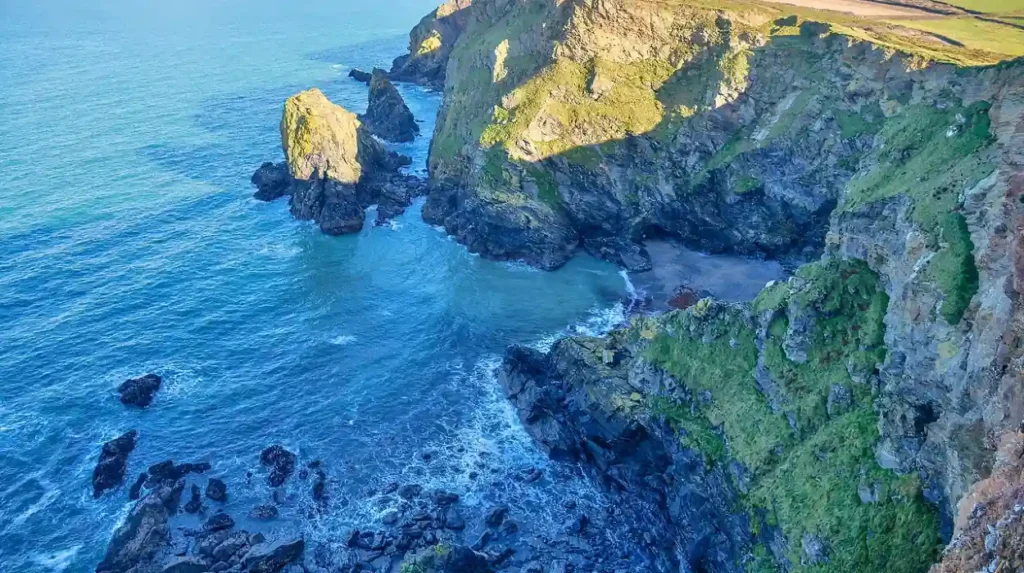
Recreational activities along North Wales coasts include swimming, surfing, sea kayaking, coasteering, and long-distance walking along the Wales Coast Path. The varied topography provides ideal conditions for diverse water uk/sports/">sports, with consistent Atlantic swells attracting surfers to beaches like Hell’s Mouth on the Llŷn Peninsula, while sheltered bays offer safe environments for paddleboarding. The Wales Coast Path, which spans eight hundred and seventy miles around the entire Welsh coastline, provides uninterrupted walking routes with panoramic views of sea cliffs, estuaries, and offshore islands. Anglers target bass, mackerel, and flatfish from both sandy shores and rocky promontories, adhering to local catch limits and seasonal regulations.
Birdwatching enthusiasts frequent coastal nature reserves to observe puffins, razorbills, and choughs nesting on inaccessible sea cliffs and offshore rocks during the spring and summer breeding seasons. Outdoor operators offer guided adventure excursions, ensuring participants follow safety protocols while exploring complex marine environments and tidal cave systems.
What Economic Impact Do Tourism And Conservation Have On The Region
Tourism and conservation initiatives drive the regional economy of North Wales, generating substantial revenue, employment opportunities, and funding for local infrastructure development. Millions of domestic and international tourists visit the region annually, spending money on accommodation, dining, retail, and outdoor adventure services provided by local independent businesses. Conservation management organizations invest heavily in habitat restoration projects, creating green jobs in environmental science, park maintenance, and sustainable tourism coordination across coastal counties.
Regional tourism boards collaborate with local enterprises to market North Wales as a premier year-round destination, reducing seasonal dependency and supporting stable employment throughout the hospitality sector. Public sector investment in transport links, coastal defense infrastructure, and digital connectivity ensures that remote coastal communities remain accessible and economically viable for residents and visitors. This dual focus on visitor attraction and environmental stewardship ensures that economic growth does not compromise the natural beauty and ecological integrity of the coastline.
Frequently Asked Questions
What are the best sandy beaches to visit in North Wales?
Popular sandy beaches in the region include Rhosneigr Beach on Anglesey, Abersoch Main Beach on the Llŷn Peninsula, and West Shore Beach in Llandudno. These locations offer expansive golden sands, clean bathing waters, and excellent facilities for families and water sports enthusiasts. Visitors frequently praise their scenic backdrops and accessibility.
Is swimming safe at all North Wales beaches?
Swimming safety varies significantly across the coastline due to strong tidal currents, unpredictable weather, and hidden underwater hazards. Lifeguards patrol popular designated bathing spots during the peak summer season to monitor conditions. Swimmers should always check local flag warnings and tide timetables before entering the water.
Are dogs allowed on North Wales beaches throughout the year?
Many beaches in North Wales enforce seasonal restrictions on dogs, typically prohibiting them from main bathing areas between May and September. However, numerous remote coves and designated stretches allow dogs year-round without restrictions. Local council signage clearly outlines specific boundary rules and dates for each individual beach location.
How can visitors access the Wales Coast Path near the beaches?
The Wales Coast Path runs adjacent to almost every major beach and coastal settlement in North Wales. Well-signposted access points connect local car parks, railway stations, and town centers directly to the walking route. Maps and digital guides are readily available to help hikers plan linear or circular coastal walks.
What public transport options exist for reaching these coastal locations?
Regional rail services operated by Transport for Wales connect major cities like Chester and Manchester to coastal hubs such as Llandudno, Bangor, and Pwllheli. Local bus networks further link train stations directly to remote beach villages and popular tourist spots. Travelers can easily plan multi-modal journeys using integrated national timetable planners.