
Key Points
- An individual from Johnstown has denied the sexual assault of three women at Swansea Crown Court.
- As per the news from Herald Wales, the accused denies the four charges levied against him.
- The jury has listened to an audio recording where a complainant narrates her experience of being sexually assaulted.
- According to the report, a woman has informed the jury that she was “shocked” with the incident.
- The alleged crime remains unproven until now, and the accused is presumed to be innocent.
- The available news report does not mention the identity of the accused and charges.
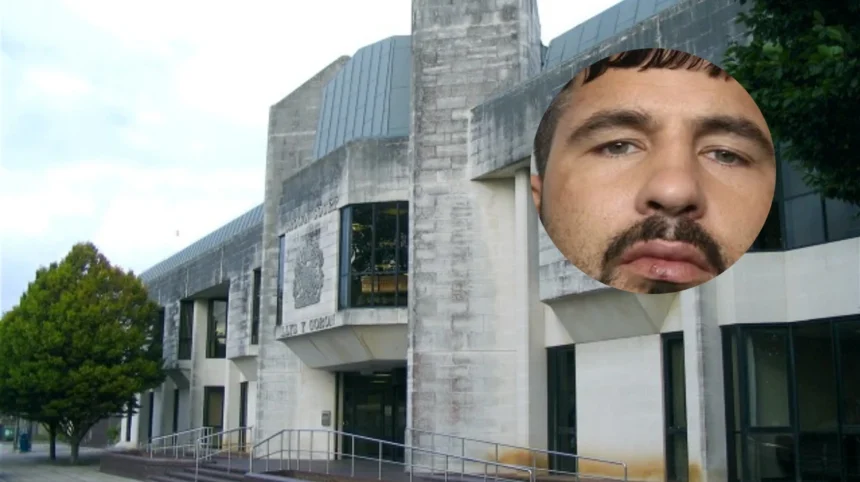
Swansea Crime (Wales Times) October 29, 2026 — A man from Johnstown has denied raping three women as his trial continued at uk/local/swansea/">Swansea Crown Court, where jurors heard a recorded interview given by one of the complainants.
As reported by Herald Wales, the defendant denies all four charges he faces. The report says the jury was played a recorded interview in which a woman described an alleged assault.
The court report states that the complainant told jurors she was “shocked” by what she said happened. Herald Wales did not publish the full text of the interview or identify the woman, in line with normal reporting restrictions and protections for complainants in sexual-offence cases.
What does the defendant deny?
The man, described in the report as being from Johnstown, denies raping three women. Herald Wales reports that he denies all four charges, although the accessible version of the article does not set out each count in full or name the accused.
Under UK law, a defendant is innocent until proven guilty. The allegations described in court are contested, and the jury must decide the case solely on the evidence presented during the trial.
What did the jury hear?
Jurors heard a recorded interview in which a complainant gave an account of an alleged assault. According to Herald Wales, the woman described being shocked by the incident.
The report does not provide a detailed summary of the evidence, the alleged dates, the locations, or the circumstances said to connect the three complainants to the defendant. No further statements from the prosecution, defence counsel, judge, or other witnesses were available in the accessible report.
Why are details limited?
Sexual-offence trials in England and Wales are subject to strict legal protections. Complainants in rape and sexual-assault cases generally receive automatic anonymity for life, while defendants may be named unless a court order or other legal restriction applies.
The limited information in the published report means this article does not speculate about the identity of the complainants, the precise nature of each alleged offence, or the outcome of the trial. The case remains live, and any conclusion will depend on the jury’s verdict.
Background of the development
The report was published by Herald Wales on October 29, 2026, under the headline “Johnstown man denies raping three women, Swansea court hears.” It describes a trial at Swansea Crown Court involving four charges and three alleged victims.
The article’s available summary says: “Jury hears recorded interview in which complainant describes alleged assault; defendant denies all four charges.” It also states that a woman told the jury she was shocked by the alleged incident.
No additional court documents, charging details, sentencing information, or police statements were available in the accessible reporting. Because the trial is ongoing, the allegations have not been tested to a legal conclusion and no findings of guilt have been made.
Prediction: What could this mean for local readers?
For readers in Johnstown, Wrexham, and the wider Swansea area, the case is likely to remain a matter of public interest while proceedings continue. The immediate effect is informational: local audiences may follow further hearings to learn what evidence is presented, how the defence responds, and whether the jury reaches a verdict.
If the trial results in a conviction, the case could prompt renewed local discussion about reporting sexual offences, support available to complainants, and the court process. If the defendant is acquitted, the verdict would equally form part of the public record, while the legal protections around complainant anonymity would continue.
For survivors of sexual violence, coverage of ongoing trials can be distressing. Anyone affected in Wales can contact Rape Crisis England & Wales, which provides support and information for people affected by sexual violence.