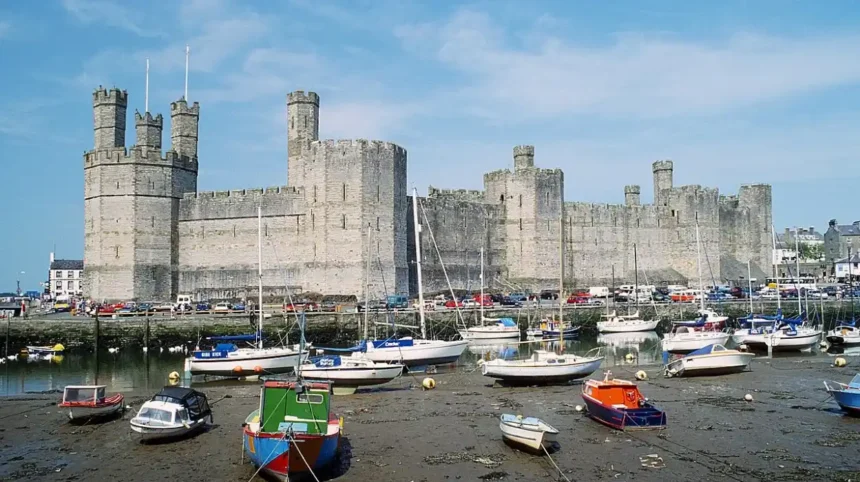
Wales contains over 600 total uk/local/swansea/castle/">castle sites within its geographical borders. This dense distribution provides Wales with more castles per square mile than any other European nation. The surviving structures range from fully intact stone fortresses to earthwork mounds marking former timber structures.
The historical landscape of Wales features continuous military engineering across several centuries. Invading Anglo-Norman lords, native Welsh princes, and English monarchs built these defensive networks between the eleventh and fourteenth centuries. The concentration of fortresses reflects the sustained geopolitical conflict over territorial control of the Welsh marches and coastal realms.
What is the total number of castles in Wales?
Wales contains more than 600 recognized castle locations, though only about 100 structures remain substantially intact or structurally standing today. The total figure includes visible stone fortresses, ruined keeps, fortified manor houses, and substantial earthwork motte-and-bailey sites.
The architectural classification of these 600 locations depends heavily on structural preservation standards. Around 100 sites retain prominent masonry, accessible towers, or defensive curtain walls open for public exploration. The remaining 500 locations consist primarily of earthworks, buried foundations, or structural ruins that have integrated into local landscapes over the past seven centuries. Archaeological surveys by Cadw, the historic environment service of the Welsh Government, systematically index these monuments.
The absolute concentration equals roughly one castle per 12 square miles across the Welsh terrain. This exceptional density stems directly from territorial struggles between native Welsh rulers and English invaders. Border lands, known historically as the Welsh Marches, feature high concentrations of defensive outposts due to constant frontier warfare. Topographical features like rivers, mountain passes, and coastal cliffs determined the exact positioning of these military strongholds.
Why are there so many castles in Wales?
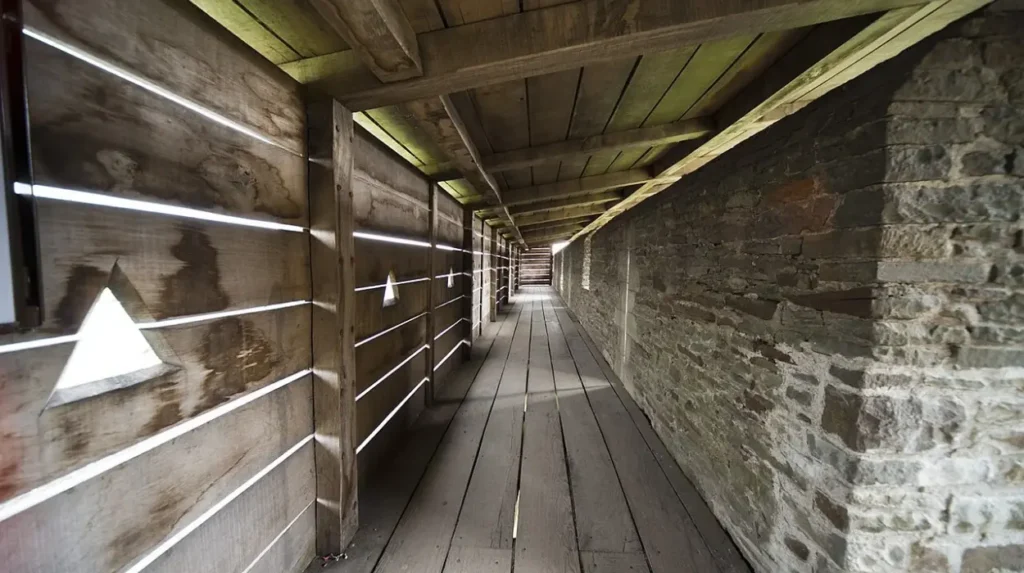
The high density of Welsh castles resulted from centuries of intense conquest, territorial defense, and border enforcement between native Welsh rulers and English invaders. Strongholds were erected to secure strategic routes, control local populations, and maintain regional governance.
Initial castle building began shortly after the Norman conquest of England in 1066. King William I established powerful Marcher Lords along the border to project authority westward. These Anglo-Norman barons built timber motte-and-bailey fortresses to claim land, command river crossings, and extract economic resources from local agricultural communities. In response, native Welsh princes constructed their own stone castles to defend sovereignty and resist encroachment.
The military campaigns of King Edward I in the late thirteenth century drastically increased castle construction. Edward commissioned a systematic series of stone strongholds to suppress Welsh resistance and establish permanent English administration. The vast financial resource allocation enabled rapid construction of massive fortresses along the northern coast. These military investments turned Wales into an intensely fortified landscape with strategic defense hubs positioned across all main corridors.
Which famous castles can you visit in Wales?
Wales features several world-famous fortresses including Caernarfon Castle, Conwy Castle, Harlech Castle, Beaumaris Castle, and Caerphilly Castle. These sites demonstrate advanced medieval military engineering, concentric wall defenses, and grand royal architecture.
Caernarfon Castle stands as an administrative stronghold built under King Edward I in 1283. Its polygonal towers and banded masonry reflect imperial Roman design themes intended to signal absolute royal power. Nearby Conwy Castle features eight massive circular towers and complete town walls that enclosed the civilian settlement. Harlech Castle occupies a sheer rocky crag overlooking the Irish Sea, utilizing natural elevation to enhance its concentric defensive perimeter.
Beaumaris Castle on the Isle of Anglesey presents symmetrical defensive architecture with concentric rings of walls and a water-filled moat. Caerphilly Castle in South Wales spans 30 acres and represents the largest fortress in Wales. Caerphilly features complex water defenses, artificial lakes, and a leaning tower that tilts past the angle of the Tower of Pisa. These locations remain accessible historic monuments managed for educational public visits.
Who built the major castles across Wales?
Anglo-Norman Marcher Lords, native Welsh princes, and English monarchs like King Edward I constructed the vast majority of castles across Wales. Each group utilized distinct architectural styles to serve specific political, military, and administrative objectives.
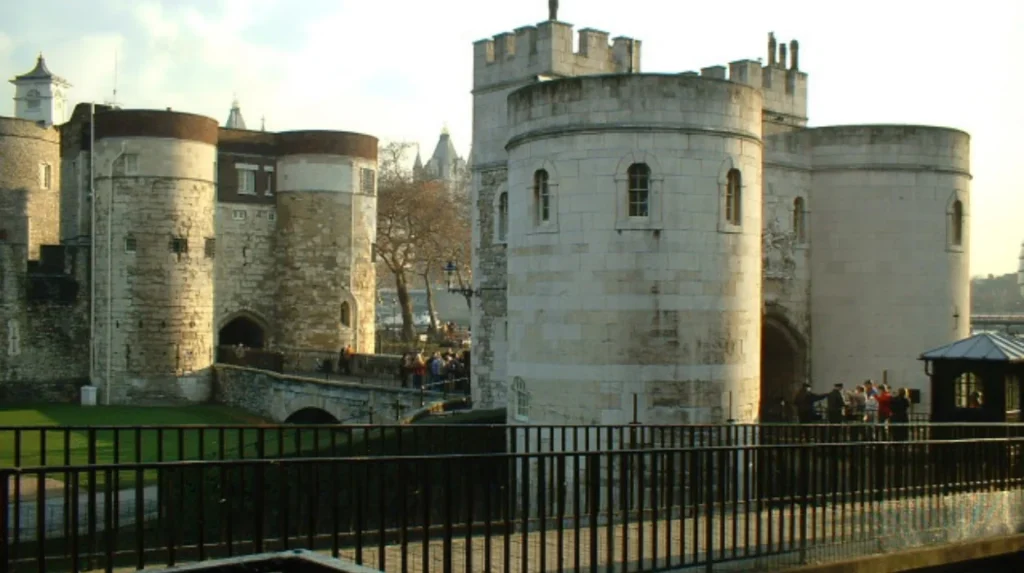
King Edward I commissioned the most famous ring of fortresses, known historically as the Iron Ring of castles in North Wales. Master architect James of St. George designed these fortresses, implementing concentric walls, heavily fortified gatehouses, and integrated naval supply access points. Edwardian castles like Flint, Rhuddlan, Conwy, and Harlech were built rapidly using thousands of imported masons and laborers.
Native Welsh princes, including Llywelyn the Great and Llywelyn ap Gruffudd, built stone castles like Dolbadarn, Castell y Bere, and Criccieth. Welsh-built castles prioritized adaptation to natural topography over rigid geometric patterns. They featured D-shaped keeps, isolated mountain positions, and strategic overlooks designed to protect trade pathways and upland pastures. Marcher Lords built extensive defensive structures across the southern and eastern borders to maintain private lordships.
How have Welsh castles evolved over time?
Welsh castles evolved from early wood-and-earth motte structures to massive stone fortresses, before transitioning into grand stately homes or historical ruins. Changing military tactics, gun-powder artillery, and political integration altered their functional purpose over centuries.
Early eleventh-century fortresses consisted of earthen mounds topped with wooden palisades and timber towers. As siege warfare evolved, builders replaced wood with stone curtain walls, square keep towers, and fortified gatehouses. The introduction of concentric castle design in the thirteenth century added multiple inner defensive rings, allowing defenders to shoot over outer walls from higher internal positions.
By the fifteenth century, the introduction of effective gunpowder artillery rendered traditional stone curtain walls vulnerable to breach. Many medieval castles transitioned into administrative courts, regional prisons, or grand residential palaces. During the English Civil War in the seventeenth century, fortresses like Raglan and Pembroke saw final military garrisons before parliamentarian forces slighted their defenses. Nineteenth-century industrial magnates later restored sites like Cardiff Castle into luxurious Gothic Revival residences. Modern conservation efforts now preserve remaining structures as national heritage monuments.
Frequently Asked Questions
Which castle in Wales is the largest by land area?
Caerphilly Castle is the largest castle in Wales, spanning roughly 30 acres in South Wales. Built in the 13th century by Gilbert de Clare, it features expansive artificial lakes and concentric stone fortifications. It ranks as the second-largest castle in the entire United Kingdom.
Can you stay overnight inside a Welsh castle?
Several historical castles in Wales operate as luxury hotels or private self-catering accommodations. Properties like Ruthin Castle in Denbighshire allow visitors to sleep within medieval grounds. Other historic estates offer converted gatehouses and tower rooms for overnight stays.
Why do some Welsh castles have leaning towers?
The leaning tower at Caerphilly Castle tilts at a 10-degree angle, exceeding the tilt of Pisa. This structural lean resulted from deliberate damage during the 17th-century English Civil War or historical ground movement around its surrounding lakes. The tower remains stabilized for visitors.
What is the oldest stone castle structure in Wales?
Chepstow Castle in Monmouthshire contains the oldest dateable secular stone building in Wales and the UK. Construction on its stone Great Tower began in 1067 under William FitzOsbern. The castle gatehouse also features timber doors dated to the 1190s.
Are Welsh castles protected as UNESCO World Heritage sites?
The castles and town walls of Edward I in Gwynedd hold UNESCO World Heritage status. This designation covers Beaumaris, Caernarfon, Conwy, and Harlech castles. UNESCO recognizes these sites as exceptional examples of late 13th-century military architecture.