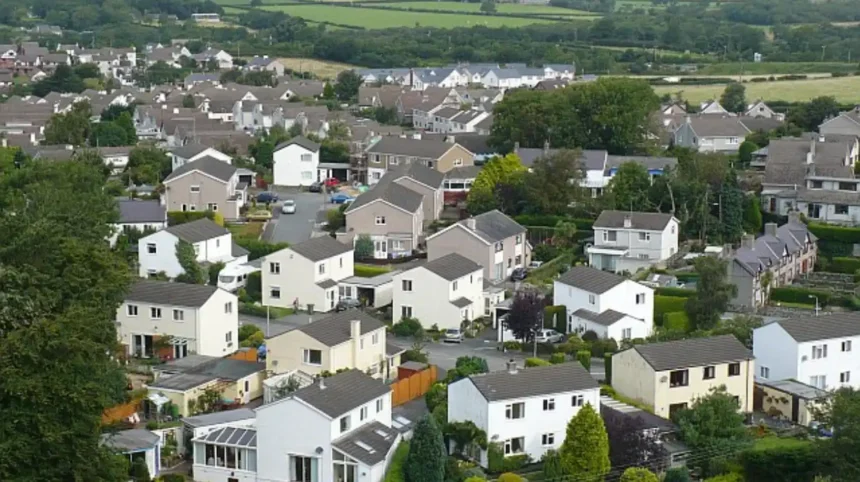
Wales is a constituent country of the United Kingdom located on the western peninsula of Great Britain. It covers an area of 20,779 square kilometers and shares an eastern border with England while facing the Irish Sea to the north and west. The nation maintains a distinct cultural identity rooted in the Celtic language, ancient Roman history, and industrial heritage. Visitors travel to Wales to explore over 600 medieval castles, three designated national parks, and 1,400 kilometers of continuous coastal footpath. According to Visit Wales, the tourism sector generates over 3.8 billion pounds annually for the Welsh economy. Understanding the geographic distribution of these landmarks allows travelers to navigate the northern mountains, central valleys, and southern coastlines efficiently.
- What Is the Capital City of Wales and What Landmarks Does It Hold?
- Why Is Eryri National Park a Top Destination in North Wales?
- What Makes Pembrokeshire Coast National Park Unique?
- The Pembrokeshire Coast Path
- St Davids Cathedral and City Status
- Skomer Island Marine Conservation Zone
- Which Locations Define the Industrial and Cultural Heritage of Wales?
- Blaenavon and Big Pit National Coal Museum
- The Slate Landscape of Northwest Wales
- Pontcysyllte Aqueduct and Canal
- Where Can Visitors Experience Gower Peninsula and Bannau Brycheiniog?
- What Should Travelers Know About Planning a Trip Across Wales?
- Transportation and Regional Connectivity
- Bilingual Signage and Cultural Context
- Seasonal Weather and Packing Requirements
- Frequently Asked Questions About Places to Go in Wales
- How many days do you need to see the best places in Wales?
- Is it better to visit North Wales or South Wales for first-time travelers?
- Can you travel around Wales easily without renting a car?
- What is the best month to visit Wales for good weather and fewer crowds?
- Are castles and museums in Wales free to enter?
What Is the Capital City of Wales and What Landmarks Does It Hold?
uk/local/cardiff/">Cardiff is the capital city of Wales, situated on the southern coast along the Bristol Channel, featuring a population of approximately 362,000 residents. It serves as the primary political, cultural, and economic center of the nation, housing the Senedd building and Cardiff Castle.
Cardiff Castle and Roman Origins
Cardiff Castle stands in the center of the city on the site of a third-century Roman fort established around 55 AD. Norman invaders constructed a stone keep on the motte in the late eleventh century under the direction of Robert Fitzhamon. During the nineteenth century, the third Marquess of Bute employed architect William Burges to transform the residential quarters into a Victorian Gothic Revival palace. The castle walls contain an internal walkway that served as an air raid shelter for 1,800 citizens during World War II. Today, Cadw and Cardiff Council manage the monument as a premier historical attraction welcoming over 300,000 visitors annually.
Cardiff Bay and the Senedd
Cardiff Bay occupies the southern waterfront where the River Taff and River Ely converge into the Severn Estuary. During the nineteenth century, this port exported millions of tons of coal from the South Wales Valleys to global markets. The construction of the Cardiff Bay Barrage in 1999 created a 200-hectare freshwater lake that revitalized the former docklands into a modern civic district. The Senedd, designed by architect Richard Rogers and opened in 2006, serves as the debating chamber for the Welsh Parliament. Nearby, the Wales Millennium Centre hosts national opera, ballet, and theater productions inside a structure built from Welsh slate and timber.
National Museum Cardiff
National Museum Cardiff resides in Cathays Park and opened to the public in 1927 following a royal charter granted by King George V in 1907. The institution houses collections spanning archaeology, geology, natural history, and fine art across multiple galleries. Its art wing contains one of the largest collections of French Impressionist paintings outside Paris, bequeathed by sisters Gwendoline and Margaret Davies. The natural history section displays the Evolution of Wales exhibition, featuring a full-size skeleton of a humpback whale and prehistoric dinosaur fossils. Entry to the permanent galleries remains free under Welsh Government policy to promote public access to heritage.
Why Is Eryri National Park a Top Destination in North Wales?
Eryri National Park, historically known as Snowdonia, encompasses 2,130 square kilometers of mountainous terrain in northwestern Wales. Established in 1951 as the first national park in Wales, it contains Yr Wyddfa, the highest peak in England and Wales at 1,085 meters.
Yr Wyddfa and Mountain Railways
Yr Wyddfa rises above the village of Llanberis and attracts over 600,000 hikers annually via six primary footpaths, including the Llanberis Path and Pyg Track. The summit features Hafod Eryri, a granite and glass visitor center opened in 2009 to withstand wind speeds exceeding 150 miles per hour. Travelers reach the peak without hiking by boarding the Snowdon Mountain Railway, a narrow-gauge rack railway operating since 1896. The diesel and steam locomotives climb 7.6 kilometers from Llanberis station to the summit ridge in approximately one hour. Strict conservation rules apply across the massif to protect rare arctic-alpine flora such as the Snowdon lily.
Conwy Castle and Medieval Town Walls
Conwy Castle sits on the northern coast of Eryri where the River Conwy meets the Irish Sea. King Edward I ordered its construction between 1283 and 1287 during his conquest of Wales, investing 15,000 pounds into the fortress. Master mason James of Saint George designed the structure with eight massive circular towers and two fortified barbicans. A continuous circuit of medieval town walls stretching 1.3 kilometers with 21 towers still surrounds the historic settlement. UNESCO designated Conwy Castle as part of the Castles and Town Walls of King Edward in Gwynedd World Heritage Site in 1986.
Betws-y-Coed and Gwydir Forest
Betws-y-Coed lies in the Conwy Valley where the River Conwy meets the River Llugwy, serving as the eastern gateway to Eryri. The village developed rapidly after Thomas Telford built the Waterloo Bridge in 1815 to carry the London to Holyhead road across the river. Surrounding the settlement, Gwydir Forest Park covers 7,250 hectares of woodland planted by the Forestry Commission starting in 1921. Swallow Falls, a multi-tiered cascade on the River Llugwy located two miles west of the village, draws visitors to observe high-volume water flows after rainfall. Victorian landscape artists established an art colony in the area during the nineteenth century to paint the surrounding gorges.
What Makes Pembrokeshire Coast National Park Unique?
Pembrokeshire Coast National Park is the only coastal national park in the United Kingdom, covering 629 square kilometers along southwestern Wales. Designated in 1952, the park features rugged limestone cliffs, volcanic headlands, sandy bays, and 58 offshore islands.
The Pembrokeshire Coast Path
The Pembrokeshire Coast Path stretches 299 kilometers from St Dogmaels in the north to Amroth in the south. Opened in 1970 as the first National Trail in Wales, the route involves a cumulative elevation gain of 10,668 meters, equivalent to ascending Mount Everest. Hikers traverse diverse geological formations including 400-million-year-old Old Red Sandstone cliffs and Cambrian rock outcrops. The trail forms a major section of the 1,400-kilometer Wales Coast Path, which encircles the entire Welsh shoreline. Natural Resources Wales maintains the signage and footpath infrastructure across the coastal corridor.
St Davids Cathedral and City Status
St Davids sits on the western tip of Pembrokeshire and holds official city status despite having a population of under 1,800 residents. Queen Elizabeth II restored its city status in 1994 due to the historical presence of St Davids Cathedral. Construction of the current cathedral began in 1181 on the site where Saint David established a monastic community in the sixth century. Builders used local purple-gray Cambrian sandstone from Caerfai Bay to construct the nave and central tower. Adjacent to the church stand the ruins of the medieval Bishop’s Palace, built during the fourteenth century by Bishop Henry de Gower.
Skomer Island Marine Conservation Zone
Skomer Island lies one mile off the Pembrokeshire coast and operates as a National Nature Reserve managed by the Wildlife Trust of South and West Wales. The island supports the largest breeding colony of Manx shearwaters in the world, with over 350,000 pairs nesting in underground burrows. Between April and July, approximately 40,000 Atlantic puffins return to the cliffs to breed and raise chicks. Daily visitor numbers are strictly capped at 250 individuals arriving via boat from Martin’s Haven to prevent habitat disruption. Surrounding waters form Wales’s only Marine Conservation Zone, protecting grey seals, harbour porpoises, and diverse seabed ecosystems.
Which Locations Define the Industrial and Cultural Heritage of Wales?
The industrial heritage of Wales centers on the South Wales Valleys and northwestern slate quarries, which powered the British Industrial Revolution. UNESCO recognizes these regions through the Blaenavon Industrial Landscape and the Slate Landscape of Northwest Wales World Heritage Sites.
Blaenavon and Big Pit National Coal Museum
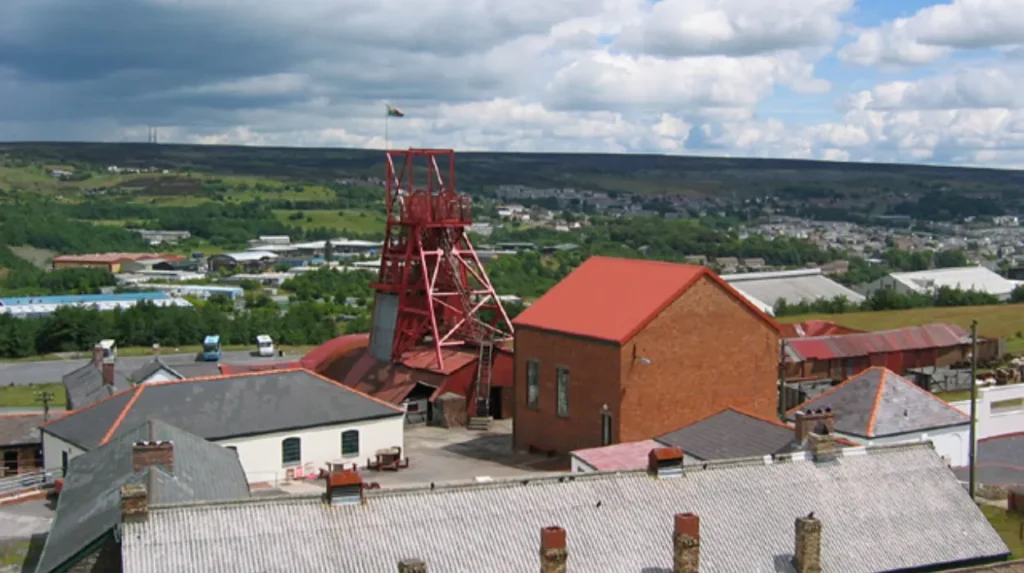
Blaenavon lies at the northern edge of the South Wales Coalfield and received UNESCO World Heritage status in 2000. During the early nineteenth century, the Blaenavon Ironworks stood as one of the largest producers of iron globally, operating five blast furnaces. Visitors tour Big Pit National Coal Museum, a working coal mine from 1880 until its closure in 1980. Former miners guide visitors 90 meters underground into the original coal seams to demonstrate extraction techniques and subterranean working conditions. Amgueddfa Cymru operates the site as an educational institution documenting the social history of Welsh mining communities.
The Slate Landscape of Northwest Wales
The Slate Landscape of Northwest Wales gained UNESCO World Heritage status in 2021, spanning six areas across Gwynedd including Bethesda and Llanberis. During the nineteenth century, quarries such as Penrhyn and Dinorwig supplied roofing slate to cities across Europe, North America, and Australia. At its peak in the 1890s, the Welsh slate industry employed over 17,000 workers and produced nearly 500,000 tons of slate annually. The National Slate Museum in Llanberis occupies the original Victorian workshops of the Dinorwig quarry, housing a working waterwheel measuring 15 meters in diameter. Historic narrow-gauge railways remain operational to transport passengers along former industrial freight routes.
Pontcysyllte Aqueduct and Canal
Pontcysyllte Aqueduct carries the Llangollen Canal 38 meters above the River Dee near Wrexham in northeastern Wales. Engineers Thomas Telford and William Jessop completed the structure in 1805 using cast-iron troughs supported by 18 hollow stone masonry pillars. Spanning 307 meters in length, it stands as the longest and highest navigable aqueduct in Great Britain. UNESCO inscribed the aqueduct and 18 kilometers of surrounding canal onto the World Heritage List in 2009 as a masterpiece of civil engineering. Narrowboats cross the iron trough daily without guardrails on the water side, separated from the drop by a 15-centimeter iron flange.
Where Can Visitors Experience Gower Peninsula and Bannau Brycheiniog?
The Gower Peninsula and Bannau Brycheiniog offer accessible coastal and upland landscapes in southern Wales within one hour of major urban centers. Gower became the first Area of Outstanding Natural Beauty in the United Kingdom in 1956, while Bannau Brycheiniog forms a major national park.
Rhossili Bay and Worm’s Head
Rhossili Bay occupies the western tip of the Gower Peninsula near Swansea, featuring a five-kilometer stretch of sand backed by high cliffs. At the southern end of the beach lies Worm’s Head, a tidal island extending 1.6 kilometers into the Bristol Channel. Visitors cross the rocky causeway only during a five-hour window around low tide when the sea retreats. Above the bay rises Rhossili Down to an elevation of 193 meters, containing Neolithic burial chambers known as Sweyne’s Howes. The National Trust manages the coastline to preserve limestone grassland habitats and medieval strip-field farming patterns.
Bannau Brycheiniog National Park
Bannau Brycheiniog, formerly known as the Brecon Beacons, covers 1,344 square kilometers of Old Red Sandstone peaks and moorland in mid-southern Wales. Designated in 1957, the park centers on Pen y Fan, the highest peak in southern Britain at 886 meters above sea level. The region achieved International Dark Sky Reserve status in 2013, making it the first destination in Wales recognized for low light pollution. Visitors explore Dan-yr-Ogof, a 17-kilometer cave system containing subterranean waterfalls and limestone stalactites formed over 315 million years ago. The Monmouthshire and Brecon Canal runs 56 kilometers through the Usk Valley, providing flat towpaths for cycling and boating.
Hay-on-Wye Literary Town
Hay-on-Wye sits on the northeastern boundary of Bannau Brycheiniog along the River Wye on the English-Welsh border. The town gained international recognition in 1961 when Richard Booth opened his first secondhand bookshop inside the old fire station. Today, more than 20 independent bookshops operate within the town, earning it the designation of the world’s first book town. Since 1988, the annual Hay Festival of Literature and Arts attracts over 100,000 attendees each May and June to hear authors, scientists, and policymakers. Hay Castle, a twelfth-century Norman keep restored in 2022, functions as an exhibition space and community arts center.
What Should Travelers Know About Planning a Trip Across Wales?
Planning an itinerary across Wales requires accounting for regional transport networks, seasonal weather patterns, and bilingual signage laws. Most visitors allocate between five and ten days to travel from Cardiff in the south to Eryri and Conwy in the north.
Transportation and Regional Connectivity
Transport for Wales operates rail services connecting Cardiff, Swansea, Newport, and Wrexham along mainline corridors. However, direct north-to-south rail links within Wales do not exist, requiring train passengers to route through English border towns like Shrewsbury and Hereford. The TrawsCymru long-distance bus network bridges this gap by linking northern and southern towns across mid-Wales via routes such as the T1 and T2. Driving remains the most flexible method for reaching rural trailheads, coastal coves, and remote castles along the A470 trunk road. The A470 runs 299 kilometers from Cardiff Bay to Llandudno, serving as the primary north-south arterial highway.
Bilingual Signage and Cultural Context
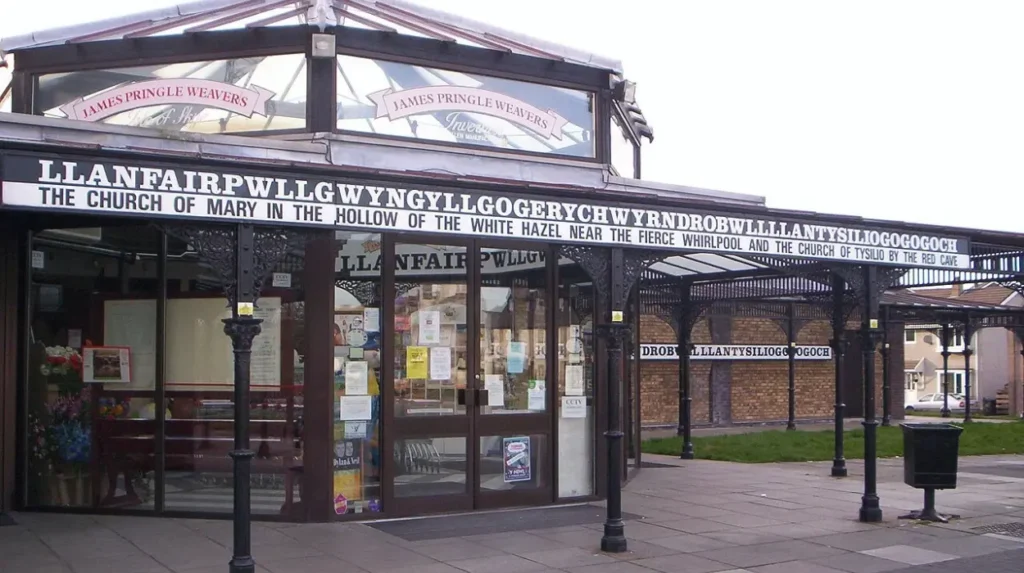
The Welsh Language Act 1993 and the Welsh Language Measure 2011 grant the Welsh language official status equal to English in Wales. All road signs, museum exhibits, and public transport announcements appear in both Welsh and English, with Welsh listed first on highway signage. Approximately 17.8 percent of the population speaks Welsh according to the 2021 UK Census, with higher concentrations in Gwynedd and Anglesey. Travelers encounter Welsh geographic terms regularly, including Aber meaning river mouth, Llan meaning church enclosure, and Bryn meaning hill. Learning basic greetings such as Bore da for good morning and Diolch for thank you fosters positive engagement in local communities.
Seasonal Weather and Packing Requirements
Wales experiences a temperate maritime climate influenced by prevailing westerly winds from the Atlantic Ocean. Average summer temperatures in July reach 20 degrees Celsius along the coast, while winter temperatures in January average 7 degrees Celsius. Mountainous regions such as Eryri receive over 3,000 millimeters of annual rainfall, compared to 1,000 millimeters in coastal Cardiff. Weather conditions change rapidly at higher elevations, where temperatures drop by approximately 1 degree Celsius for every 150 meters of ascent. Visitors require waterproof outer layers, sturdy footwear, and navigation maps throughout all four seasons when exploring national parks.
Frequently Asked Questions About Places to Go in Wales
How many days do you need to see the best places in Wales?
Travelers need seven to ten days to explore the primary highlights of both North and South Wales without rushing. A seven-day itinerary allows three days for Cardiff and the Gower Peninsula, two days for Pembrokeshire, and two days for Eryri National Park.
Is it better to visit North Wales or South Wales for first-time travelers?
North Wales suits travelers seeking dramatic mountain peaks, medieval castles like Conwy, and adventure activities in Eryri National Park. South Wales offers easier access to urban culture in Cardiff, industrial mining museums, and rugged beaches along the Gower and Pembrokeshire coasts.
Can you travel around Wales easily without renting a car?
Visitors can travel between major coastal cities like Cardiff, Swansea, and Llandudno using Transport for Wales rail lines and TrawsCymru buses. Reaching remote trailheads, small coastal villages, and rural castles requires a rental car due to infrequent rural bus schedules.
What is the best month to visit Wales for good weather and fewer crowds?
May, June, and September offer the optimal balance of mild temperatures, long daylight hours, and lower tourist volume. July and August bring peak crowds during UK school holidays, while October through March sees increased rainfall and shorter daylight hours.
Are castles and museums in Wales free to enter?
All seven national museums operated by Amgueddfa Cymru, including National Museum Cardiff and Big Pit, offer free general admission year-round. Historic castles managed by Cadw, such as Conwy and Caernarfon, charge an admission fee or require a Cadw Explorer Pass.