

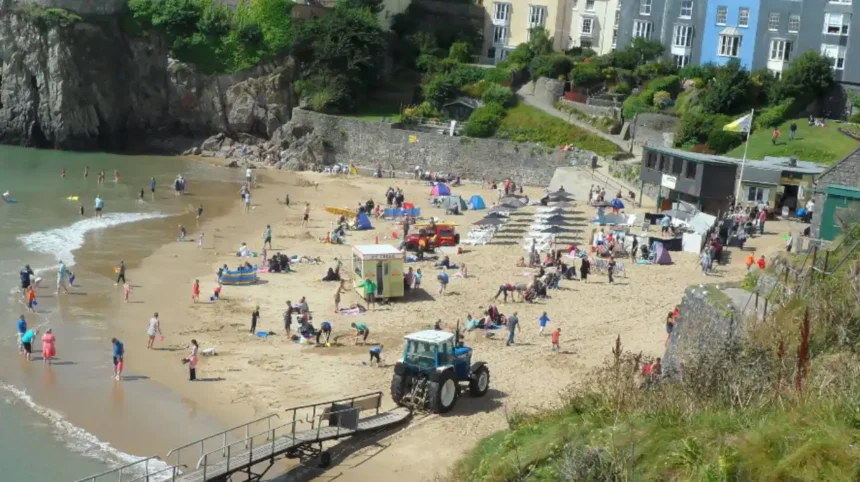
Ironman Wales is a full distance ultra endurance triathlon event held annually in Tenby, Pembrokeshire, featuring a 2.4-mile sea swim, a 112-mile hilly bike ride, and a 26.2-mile marathon.
- What Is the History and Origin of Ironman Wales in Tenby?
- How Is the Ironman Wales Course Formatted Across All Three Disciplines?
- What Are the Key Elevation and Elevation Gain Statistics for the Bike and Run Sections?
- What Are the Specific Rules, Time Cutoffs, and Qualification Metrics?
- What Environmental and Weather Factors Influence Race Day Performance in Pembrokeshire?
- What Logistics, Accommodation, and Spectator Strategies Are Required for Race Weekend?
- What Is the Economic and Community Impact of Ironman Wales on the Local Region?
- Frequently Asked Questions
The race made its debut in September 2011 under the ownership of the Ironman Group, operating within the global World Triathlon Corporation umbrella. Organized in Southwest Wales within the Pembrokeshire Coast National Park, the event attracts thousands of amateur and professional triathletes from around the world. The total distance of the race spans exactly 140.6 miles across three distinct endurance disciplines.
Participants must complete all three legs sequentially within strict time limits to earn the official title of Ironman finisher. The race serves as an official qualifying event for the Ironman World Championship, allocating age-group slots to top performers across male and female categories. The town of Tenby, known locally as Dinbych-y-pysgod, acts as the central hub for the event host area, housing transition zones, briefing centers, and finish line architecture.
What Is the History and Origin of Ironman Wales in Tenby?
Ironman Wales was established in 2011 by the World Triathlon Corporation to bring an official full-distance endurance event to the United Kingdom, choosing Tenby for its coastal geography and challenging terrain.
The inaugural edition took place on September 11, 2011, attracting over 1,500 triathletes to Pembrokeshire. The World Triathlon Corporation selected Tenby after analyzing coastal access, road network potential, and municipal support. The local government entity, Pembrokeshire County Council, signed multi-year hosting agreements to secure the event as a major tourism driver.
Over its multi-year operational history, the race developed a reputation as one of the most physically demanding courses on the global triathlon calendar. Professional triathletes such as Cameron Wurf, Lucy Gossage, and Jesse Thomas have participated and secured victories on this course. The event skipped the 2020 and 2021 race seasons due to global health restrictions before resuming full operational capacity in September 2022.
How Is the Ironman Wales Course Formatted Across All Three Disciplines?
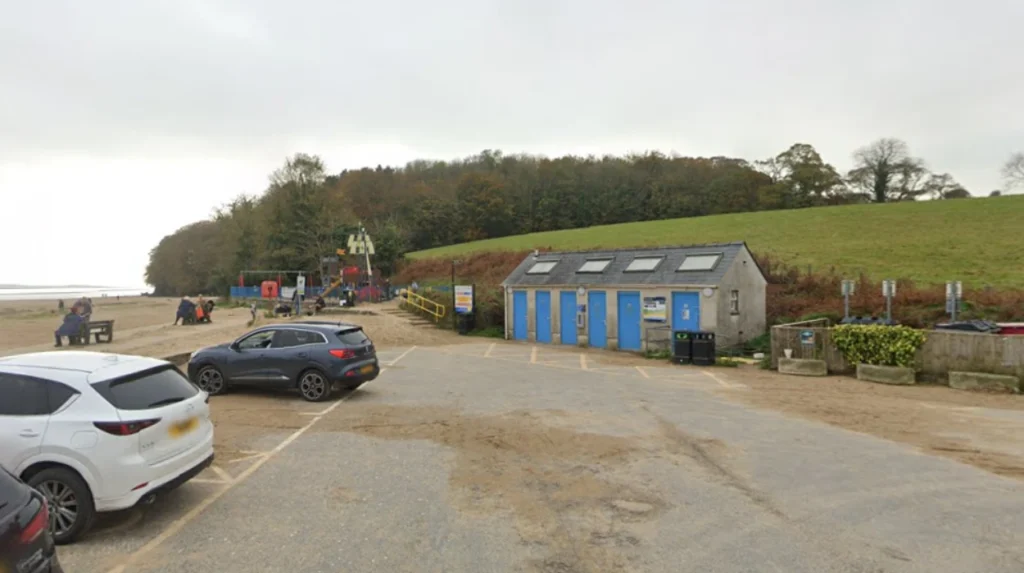
The Ironman Wales course consists of a 2.4-mile ocean swim at North Beach, a 112-mile bike leg through Pembrokeshire, and a 26.2-mile four-lap marathon around Tenby.
The race starts at North Beach with a rolling water entry into Carmarthen Bay. Athletes complete two rectangular swim laps in the ocean water before exiting onto the sand. Swimmers perform a mandatory Australian exit, running across the beach between the first and second laps.
After completing the second swim lap, athletes encounter a unique one-kilometer transition run up the zig-zag path from North Beach to Transition One at the main car park. Triathletes put on running shoes provided in designated gear bags for this specific transition leg.
The 112-mile bike course follows a two-loop layout around coastal and inland Pembrokeshire. Athletes traverse narrow country lanes, coastal roads, and agricultural corridors before returning to Tenby for Transition Two. The final leg is a four-lap marathon through the town center and surrounding residential streets.
What Are the Key Elevation and Elevation Gain Statistics for the Bike and Run Sections?
The bike section features over 2,400 meters of total elevation gain, while the marathon course includes approximately 500 meters of total climbing across four laps.
The cycling course demands relentless climbing across steep gradients. Key climbs include Heartbreak Hill in Saundersfoot, which features gradients exceeding 12 percent, along with steep ascents at Wiseman’s Bridge and Narberth. These gradients force constant changes in cadence and power output, reducing aerodynamic advantages typical of flat triathlon courses.
| Course Segment | Distance | Elevation Gain | Steepest Gradient | Key Benchmark Landmark |
| Swim Leg | 2.4 miles | 0 meters | N/A | Carmarthen Bay |
| Bike Leg | 112 miles | ~2,492 meters | 15.3% | Heartbreak Hill (Saundersfoot) |
| Run Leg | 26.2 miles | ~700 meters | 8.0% | Tenby Town Walls |
The four-lap marathon run course presents continuous rolling terrain. Athletes climb out of the Tenby harbor area toward New Hedges four separate times during the marathon stage. This elevation profile generates high muscular fatigue, making pacing critical for race completion.
What Are the Specific Rules, Time Cutoffs, and Qualification Metrics?
Ironman Wales enforces a strict 17-hour total time limit, with intermediate cutoffs of 2 hours 20 minutes for the swim and 10 hours 30 minutes for the bike.
Athletes who fail to reach designated timing mats before cutoff deadlines face automatic disqualification from the race. The swim leg requires all athletes to exit the water within 2 hours and 20 minutes from their personal entry time.
- Swim Cutoff: 2 hours and 20 minutes from rolling start entry.
- Bike Cutoff: 10 hours and 30 minutes total elapsed time from swim start.
- Race Cutoff: 17 hours total elapsed time for complete marathon finish.
Equipment rules strictly mandate wetsuits if sea temperatures fall below 16 degrees Celsius. Standard drafting rules apply on the bike course, requiring a 12-meter blue-zone gap between competitors. Age-group athletes compete for allocated slots to the Ironman World Championship, determined by finishing ranks within five-year age brackets.
What Environmental and Weather Factors Influence Race Day Performance in Pembrokeshire?
Sea water temperatures averaging 15 to 17 degrees Celsius, ocean currents, coastal wind, and sudden rainfall heavily impact athlete performance in Tenby.
Carmarthen Bay is subject to tidal swells and ocean currents, which can make ocean navigation difficult during the early morning swim. Low water visibility and choppy sea conditions increase energy expenditure during the 2.4-mile swim stage.
The coastal location exposes cyclists to crosswinds along exposed cliff roads around Pembroke uk/local/swansea/castle/">Castle and Angle Peninsula. High humidity and damp asphalt surfaces require careful bike handling, particularly on steep descent curves near Wiseman’s Bridge. Unpredictable South Wales autumn weather systems frequently introduce rain showers, affecting body temperature regulation across all three legs.
What Logistics, Accommodation, and Spectator Strategies Are Required for Race Weekend?
Athletes and spectators must secure accommodation up to twelve months in advance while utilizing local park-and-ride transport systems due to extensive road closures.
Tenby undergoes complete municipal road closures on race day, turning the medieval town center into a pedestrian zone. Accommodation inside Tenby town walls fills up quickly, prompting many visitors to book rentals in nearby towns like Saundersfoot, Pembroke, or Haverfordwest.

Spectators gather at key viewing zones to encourage participants. Major spectator hotspots include North Beach during the swim start, Saundersfoot hill climb for the bike leg, and the Tenby Esplanade for the marathon run finish. Local volunteer groups, emergency services, and county councils coordinate logistics to maintain spectator safety and competitor support.
What Is the Economic and Community Impact of Ironman Wales on the Local Region?
Ironman Wales injects over five million pounds into the Pembrokeshire economy annually through hospitality, retail, and tourism expenditures during race week.
The influx of over 2,000 athletes plus accompanying family members and support crews generates high occupancy rates for hotels, guesthouses, and restaurants across Southwest Wales. Local businesses experience record sales figures during an otherwise shoulder-season tourism month.
Community participation is high, with over 1,000 local volunteers managing water stations, gear bag handouts, and transition management. The event promotes regional sports participation through the associated Ironkids running event, held on the Saturday preceding the main triathlon. Ironman Wales has established Tenby as a global sports tourism hub, attracting endurance athletes year-round for course reconnaissance and training camps.
Frequently Asked Questions
What makes the Ironman Wales bike course so difficult?
The bike course features over 2,400 meters of elevation gain across 112 miles with steep gradients exceeding 12 percent. Technical descents, narrow rural roads, and unpredictable coastal weather conditions combine to create one of the slowest cycling split averages on the global Ironman tour.
Is wetsuit usage mandatory for the Ironman Wales swim leg?
Wetsuits are mandatory if sea surface temperatures fall below 16 degrees Celsius in Carmarthen Bay. Due to early September ocean temperatures off the Pembrokeshire coast, almost all race editions require mandatory full-body neoprene wetsuits for athlete safety.
Where is the best location for spectators to watch Ironman Wales?
North Beach provides optimal viewing for the swim start, while Heartbreak Hill in Saundersfoot offers the most energetic atmosphere during the cycling leg. The medieval town center and the Esplanade in Tenby offer easy access to watch the four-lap marathon and finish line.
How can triathletes qualify for the Ironman World Championship at Tenby?
Ironman Wales awards age-group qualification slots for the Ironman World Championship based on final finishing positions. Top finishers in each five-year age division earn the right to claim a spot during the post-race awards ceremony.