Looking for houses for sale in Bridgend Wales requires evaluating market statistics, regional development frameworks, and transport infrastructure. Bridgend County Borough occupies a strategic geographic location within the South Wales coastal corridor, positioned midway between the capital city of uk/local/cardiff/">Cardiff and the coastal hub of Swansea. According to official HM Land Registry metrics, the average house price in Bridgend stands at approximately £210,000. Residential properties across the county range from traditional stone-built terraced homes in the Llynfi, Garw, and Ogmore Valleys to modern detached developments in Broadlands and coastal residences in Porthcawl. The area serves owner-occupiers, first-time buyers, and real estate investors due to its direct arterial connections via the M4 motorway and Great Western Mainline rail infrastructure.
- What Is the Current Housing Market Overview for Bridgend Wales?
- Which Residential Areas and Neighborhoods Offer the Best Houses in Bridgend?
- How Do Transport Links and Infrastructure Impact Property Values in Bridgend?
- What Legal and Financial Steps Are Required to Buy a House in Bridgend?
- Frequently Asked Questions
What Is the Current Housing Market Overview for Bridgend Wales?
The average house price in Bridgend is £210,000, representing a 3.7% annual growth rate according to UK House Price Index figures. Property valuations vary from £111,000 for apartments to £322,000 for detached family homes across the county borough.
The housing market in Bridgend County Borough demonstrates consistent economic stability driven by continuous demand from regional commuters and relocation buyers. Data from the Office for National Statistics indicates that first-time buyers pay an average price of £184,000 for entry-level residential units. Mortgage-funded acquisitions represent the majority of regional real estate transactions, accounting for an average purchase price of £213,000.
Residential property values in Bridgend remain lower than neighboring regions such as the Vale of Glamorgan and Cardiff. Terraced housing stock averages £169,000, while semi-detached residential options average £207,000. The private rental sector records an average monthly rent of £763, reflecting a gross yield of approximately 4.7% for property investors. Transaction volumes demonstrate steady market turnover across urban centers, valley settlements, and coastal communities.
Which Residential Areas and Neighborhoods Offer the Best Houses in Bridgend?
Bridgend contains diverse residential districts including Broadlands, Brackla, Laleston, Coity, Pencoed, and Porthcawl. Each neighborhood offers distinct architectural styles, local amenities, school catchment zones, and transport connections tailored to varied household demographics, budgets, and living preferences.
Broadlands is a purpose-built residential suburb situated south-west of Bridgend town center, established during the late 1990s and early 2000s. The area features modern detached houses, family semi-detached layouts, and localized retail hubs. Local education facilities include Maes yr Haul Primary School, making the development highly sought after by families seeking planned suburban living environments.
Brackla represents one of the largest residential estates in Europe, developed predominantly throughout the 1970s and 1980s. It offers affordable semi-detached homes, detached properties, and terraced houses. The area benefits from dedicated shopping precincts, primary schools, and direct bus connectivity to central Bridgend bus station and train station.
Laleston and Coity present historic village settings integrated with modern expansion zones. Laleston features period stone cottages alongside executive executive developments near the A48 corridor. Coity contains medieval historical landmarks such as Coity Castle alongside the modern Parc Derwen urban extension, providing contemporary energy-efficient family homes.
Pencoed lies to the east of Bridgend near Junction 35 of the M4 motorway. It operates as an independent commuter town equipped with its own railway station on the South Wales Main Line. Housing stock includes traditional terraced dwellings, mid-century semi-detached houses, and recent infill housing developments.
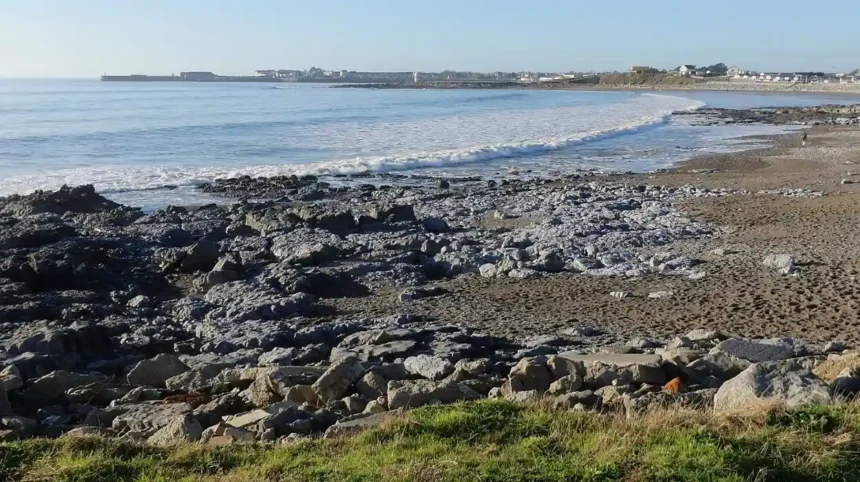
Porthcawl forms the coastal sector of Bridgend County Borough, situated six miles south-west of the main town. Characterized by Victorian, Edwardian, and contemporary seafront architecture, Porthcawl commands higher market valuations. It appeals to retirees, coastal commuters, and holiday let investors seeking seaside lifestyle amenities.
How Do Transport Links and Infrastructure Impact Property Values in Bridgend?
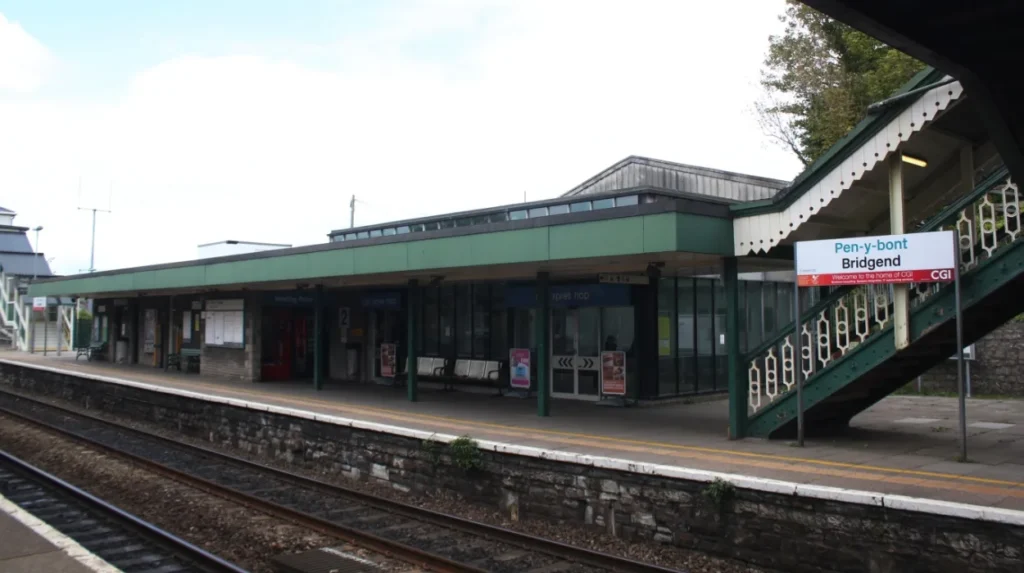
Bridgend features major infrastructure links including the M4 motorway junctions 35, 36, and 37, alongside Bridgend Railway Station on the Great Western Main Line. Strategic transport connections enhance property liquidity, support commuting to Cardiff and Swansea, and maintain long-term capital appreciation.
Transport accessibility serves as a primary determinant of real estate valuation across Bridgend County Borough. The presence of three dedicated M4 motorway intersections enables vehicular travel times of 30 minutes to central Cardiff and 35 minutes to central Swansea. Properties positioned within two miles of Junction 36 at Sarn service park experience heightened demand from regional corporate commuters.
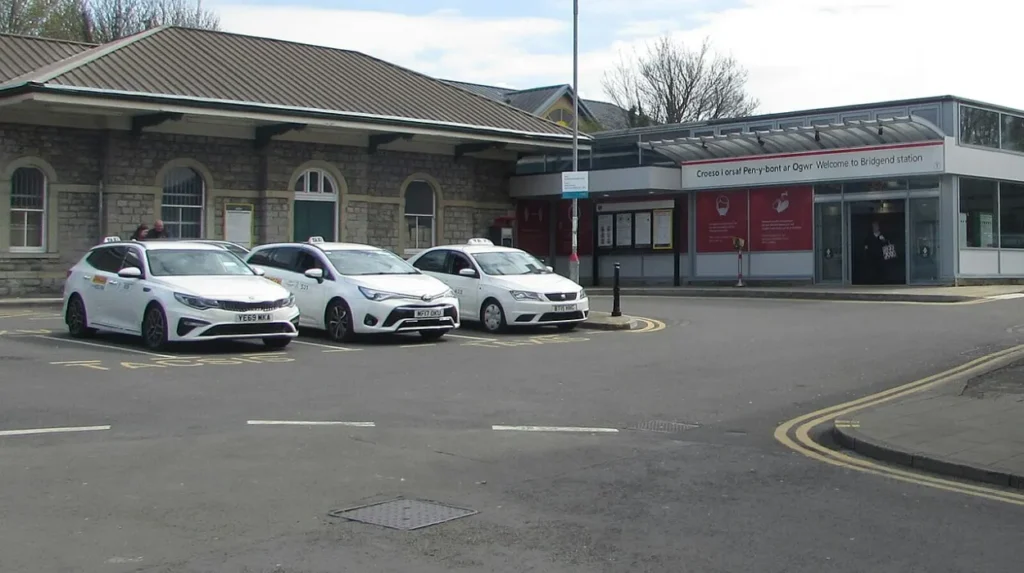
Bridgend Railway Station operates as a central transport interchange managed by Transport for Wales. Direct Great Western Railway intercity services link Bridgend to London Paddington in approximately two hours and fifteen minutes. Regional rail routes provide continuous commuter services along the South Wales Main Line, the Maesteg Line, and the Vale of Glamorgan Line.
Infrastructure developments managed by the Welsh Government and Bridgend County Borough Council directly influence suburban property values. The South Wales Metro electrification initiative enhances rail frequency and reduces transit times across the regional network. Residential zones situated near rail stops such as Pencoed, Sarn, Tondu, and Wildmill retain structural price premiums due to transit-oriented demand.
What Legal and Financial Steps Are Required to Buy a House in Bridgend?
Buying a house in Bridgend involves mortgage pre-approval, legal conveyancing, Land Transaction Tax calculations administered by the Welsh Revenue Authority, property searches through local authority databases, structural surveys, and formal contracts exchange prior to completion.
Prospective purchasers in Wales must navigate specific legal and tax frameworks distinct from the English property system. The purchasing process begins with securing an Agreement in Principle from a regulated mortgage lender. Buyers then retain a licensed solicitor or conveyancer registered with the Law Society of Wales or the Council for Licensed Conveyancers.
Land Transaction Tax replaced Stamp Duty Land Tax in Wales in April 2018 and is collected by the Welsh Revenue Authority. Primary residential purchases under £225,000 are subject to a 0% tax rate, making entry-level housing in Bridgend tax-efficient for buyers. Higher main residential rates apply incrementally above this threshold, while additional residential properties incur a minimum 4% tax surcharge.
Conveyancing solicitors perform mandatory local searches with Bridgend County Borough Council to evaluate local planning proposals, highway maintenance statuses, and historical coal mining activities. Coal Authority searches are standard across South Wales due to historic industrial workings. Physical inspections via Royal Institution of Chartered Surveyors condition reports ensure structural integrity prior to contract exchange.
Read More: Explore detailed insights on home security measures for property owners across Wales by reading our guide onUK Home Safety Regulations.
Related Article: Learn about local council security programs by viewing our report onCrime Prevention Kits in Wales.
Frequently Asked Questions
What is the average price of a terraced house in Bridgend?
The average price of a terraced house in Bridgend is approximately £169,000 according to HM Land Registry statistics. Values vary based on property condition, valuation year, and proximity to central transport hubs. Valley locations often offer entry-level prices below county averages.
How much Land Transaction Tax do buyers pay in Wales?
Land Transaction Tax in Wales charges 0% on main residential property purchases up to £225,000. Purchases between £225,000 and £400,000 incur a 6% tax rate on that portion. Additional property purchases incur higher band rates starting with a minimum 4% surcharge.
Is Bridgend a convenient location for commuting to Cardiff?
Bridgend is an established commuter location situated 20 miles west of Cardiff. Direct train services from Bridgend Station reach Cardiff Central in approximately 20 to 25 minutes. Driving via the M4 motorway takes roughly 30 minutes under standard traffic conditions.
What building surveys are recommended for older Bridgend properties?
An RICS Level 2 HomeBuyer Report or Level 3 Building Survey is recommended for older properties in Bridgend. Standard conveyancing also requires a Coal Authority search to identify historic mining activities. Environmental searches assess local flood risks and local authority planning proposals.
Are house prices in Bridgend expected to remain stable?
Bridgend property values demonstrate steady growth supported by ongoing infrastructure investments and commuter demand. Relative affordability compared to nearby Cardiff and the Vale of Glamorgan continues to attract buyers. Local regeneration schemes support long-term market stability.