Key Points
- A new push worth $10 million for Lake Wales Ridge preservation was granted by the USDA Regional Conservation Partnership Program.
- Leading this five-year endeavor will be Tampa-based Wildlands Conservation, which is planned to start its activities in 2027.
- According to the federal officials, the endeavor might include 3,500 acres of lands; Tampa Bay 28 mentions the potential for 3,500–5,000 acres.
- The contribution of local counties and state governments will help the partnership exceed the funding and other resources at $20 million level.
- Conservation easement means that while the ownership rights remain, there can be no further development and only compatible farming is allowed.
- The key region that is going to be targeted in this project is located in Marion, Lake, Polk, and Highlands counties.
Wales (Wales Times) November 11, 2026 — Wildlands Conservation has received a $10 million federal award for a five-year Lake Wales Ridge conservation project scheduled to begin in 2027, with state and county contributions bringing the partnership’s combined funding and resources to more than $20 million.
What will the grant fund?
The award comes through the Regional Conservation Partnership Program, administered by the Natural Resources Conservation Service, or NRCS. Its recipient, Wildlands Conservation, is a Tampa-based environmental non-profit and land trust.
According to the agency’s announcement, the funding will expand conservation easement opportunities and provide technical assistance to private landowners. The project area extends across several Central Florida counties, with Marion, Lake, Polk and Highlands identified as its primary focus.
Federal funding will be combined with county and state land-protection resources, including the Polk County Environmental Lands programme and Florida’s Rural and Family Lands Protection Program. The agency describes the combined commitment as more than $20 million in funding and resources, rather than a second federal award.
How will landowners participate?
Conservation easements are voluntary legal agreements that permanently restrict development while leaving property in private ownership, according to NRCS. Participating agricultural landowners can continue compatible farming, ranching, forestry and other activities that preserve their properties’ conservation values.
Partners will help landowners access easement programmes, support land management and measure environmental outcomes. The arrangement offers an alternative to selling land for development without requiring participating owners to stop every existing agricultural use.
NRCS identifies Wildlands Conservation as the project leader, alongside Polk County’s Polk Forever programme, the Florida Department of Agriculture and Consumer Services, the US Fish and Wildlife Service, Archbold Research Station and Putnam Land Conservancy.
Interested landowners can contact Wildlands Conservation on (813) 252-6517 or at info@wildlandsconservation.org for information about conservation opportunities.
Why does protection matter locally?
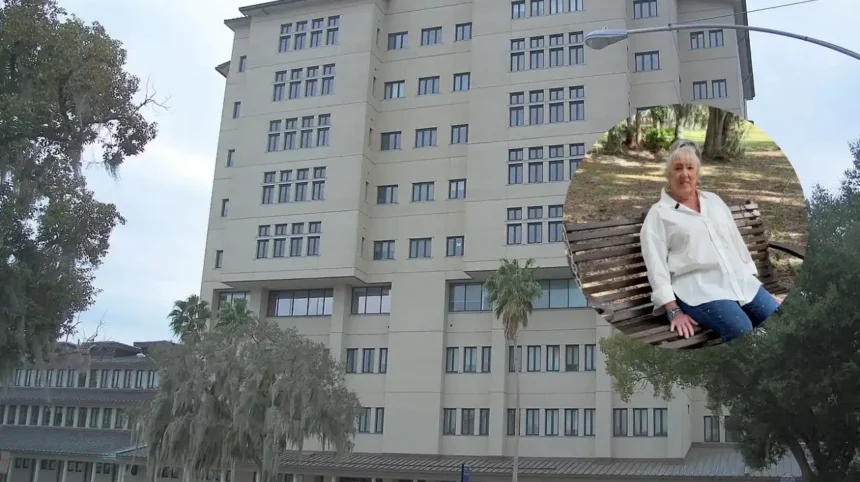
In her Tampa Bay 28 report, Rebecca Petit profiles Diane Starling, whose family has raised cattle on her property for generations. Starling has spent three years seeking conservation easement protection for her property and nearby land.
Petit reports that Starling wants to prevent development around the lake and has encouraged friends and neighbours to consider conservation options. Her participation illustrates the project’s reliance on private landowners choosing to place permanent restrictions on their properties.
The grant announcement does not mean every property within the wider project area has already received protection: Petit reports that the forthcoming effort will identify priority properties.
What habitats could receive protection?
NRCS describes Lake Wales Ridge as an ancient dune system containing citrus groves, ranchlands, forests, important water-recharge areas and wildlife habitat of global significance.
In Petit’s report, Wildlands Conservation executive director Dave Sumpter identifies the ridge as habitat for plants and animals found nowhere else. The report also highlights the importance of maintaining connections between properties so wildlife can move through the region.
The federal announcement links the project to the Florida Wildlife Corridor, identifying rural and agricultural properties as contributors to connections between established conservation areas. Protection therefore concerns both individual parcels and their relationship with surrounding habitats.
On water resources, Petit attributes to Sumpter the assessment that the ridge functions as a recharge area for the Everglades and contributes to Florida’s hydrology and water quality.
What have project leaders said?
In the NRCS announcement, Florida state conservationist Juan Hernandez identifies the partnership’s funding, expertise and local relationships as resources intended to help landowners achieve permanent conservation. Hernandez also connects expanded easement opportunities with keeping agricultural land in production amid development pressure.
The same announcement identifies Wildlands Conservation’s executive director as David Sumpter and records his priorities as protecting farms, ranches and natural land while sustaining agricultural heritage, wildlife habitat and water resources.
These objectives place continued agricultural use alongside habitat protection, rather than presenting conservation solely as the removal of land from production.
What remains to be determined?
The five-year project is scheduled to start in 2027, with priority-property identification forming part of the forthcoming work reported by Tampa Bay 28.
The two published acreage figures should remain distinct: NRCS gives an approximate target of 3,500 acres, while Tampa Bay 28 reports a range extending to 5,000 acres. Neither figure represents acreage already protected through completed agreements under this forthcoming project.
What is the development’s background?
NRCS identifies citrus greening and development pressure as threats to the region’s agricultural economy and natural land. Its announcement positions the project as a means of protecting working landscapes alongside wildlife habitat and water resources.
The project also overlaps the Avon Park Air Force Range Sentinel Landscape, with approximately one-quarter of the project area situated within that landscape. According to NRCS, limiting incompatible development around the military installation supports its long-term training and readiness objectives.
Wildlands Conservation was founded in 2003 and works across Florida on land protection, habitat management, wildlife research and conservation education.
Prediction: How could landowners be affected?
For eligible landowners, the project could expand access to permanent conservation agreements and land-management assistance while allowing compatible agricultural activities to continue. These are prospective opportunities, not confirmation that any particular property will receive funding or protection.
For nearby communities, protecting selected properties could help maintain agricultural landscapes, habitat connections and water-recharge areas identified in the project’s objectives. The geographical reach of those benefits will depend on which priority properties ultimately enter conservation agreements.