
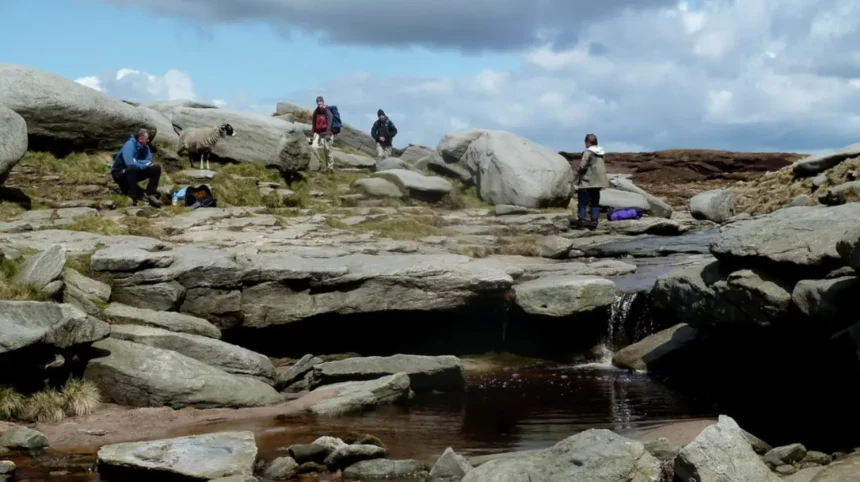
Forest fields camping in Wales refers to rural, nature-focused campsite facilities situated near woodland areas and farmland across the Welsh landscape. The mid-Wales countryside in Powys hosts established grounds like Fforest Fields near Builth Wells.
- What are the primary operational components of Welsh forest campsites?
- How do environmental regulations govern rural camping across Wales?
- What legal framework governs lost and stray dogs across Welsh local authorities?
- How does the reporting process work when a dog goes missing in Wales?
- What role do microchips and local authority kennels play in pet recovery?
- How do volunteer networks and digital platforms prevent dog theft and scam operations?
- Frequently Asked Questions
- What should I do immediately if my dog goes missing in Wales?
- How long do local councils in Wales keep stray dogs before rehoming?
- Is microchipping mandatory for all dogs in Wales?
- How do I check if a found dog has been reported on DogLost?
- Who pays the costs if my lost dog is taken to a council kennel?
Outdoor recreational camping in Wales evolved during the mid-twentieth century as public access to open land expanded under national planning acts. The Countryside Act 1968 established formal rights of way and supported agricultural diversification into sustainable eco-tourism. Rural landowners repurposed grazing acreage and woodland borders into dedicated touring parks. The site at Fforest Fields in the Edw Valley reflects this agricultural transition, functioning as a working farm alongside its 12-acre main camping facility. Today, these sites preserve natural habitats while providing structured pitches, drainage infrastructure, and renewable energy integrations for visitors.
What are the primary operational components of Welsh forest campsites?
Welsh forest campsites feature designated pitch areas, modern sanitation blocks, electrical hookups, and freshwater distribution networks across their grounds. Paved circuit roads allow vehicles to access hardstanding and grass pitches safely throughout all seasons.
A standard rural campsite contains 100 to 160 pitches spread across multi-acre fields. Facilities include 10-amp power connections, greywater disposal points, and chemical toilet servicing stations compliant with environmental safety regulations. On-site amenities often feature underfloor-heated shower blocks, family washrooms, and accessible utility units. Additional ground structures include wild swimming lakes, glamping yurts, and reception hubs stocked with local produce. Site management enforces strict noise curfews between 10 PM and 7 AM to protect native wildlife and maintain guest comfort.
How do environmental regulations govern rural camping across Wales?
Environmental regulations in Wales mandate strict land management, waste disposal protocols, and ecological protection standards for commercial campsites. Natural Resources Wales oversees compliance under national water resources and habitat preservation legislation.
Local planning authorities enforce the Town and Country Planning Act 1990 to limit unauthorized developments in rural valleys. Campsites must install specialized sewage treatment plants or septic systems to prevent nitrate runoff into adjacent waterways. Waste management guidelines mandate source-segregated recycling for glass, plastic, paper, and food waste. Sites bordering Sites of Special Scientific Interest must maintain buffer zones to protect nesting birds, rare bats, and native plant species. Fire safety laws require a minimum six-meter clearance gap between set-up tents or parked touring caravans.
Related Guides on Wales Times:
- Explore regional background details:Essential Facts About the Country of Wales
- Learn about historic sites nearby:Historical Significance of Cymer Abbey
How Does DogLost Wales Help Reunite Lost Dogs With Owners?
DogLost Wales is a community-focused volunteer network and online reporting system designed to assist owners in tracing lost or stolen dogs across Welsh counties. The service operates alongside local dog wardens, police authorities, and veterinary practices.

The organization was established to provide a centralized UK database for missing pets, connecting registered owners with regional search volunteers. The platform allows users to create free lost or found pet listings complete with photos, identifying features, and last-known locations. Volunteers distribute digital posters, coordinate local ground searches, and monitor online sale portals for missing animals. In Wales, the system works alongside municipal animal welfare services to cross-reference reported strays with impounded dogs. This collaborative approach reduces recovery times and assists local authorities in enforcing animal identification standards.
What legal framework governs lost and stray dogs across Welsh local authorities?
The Legal framework governing lost dogs in Wales consists of the Environmental Protection Act 1990 and the Microchipping of Dogs Wales Regulations 2015. These laws define local council obligations regarding stray collection and mandatory pet registration.
Under the Environmental Protection Act 1990, local councils must appoint designated dog wardens to seize stray animals roaming in public spaces. Wardens transport seized dogs to licensed holding kennels, where animals are scanned for microchip transponders. Councils must hold unclaimed dogs for seven clear days before placing them for rehoming through welfare charities. Under the Control of Dogs Order 1992, dogs in public places must wear a collar tag showing the owner name and address. The 2015 Welsh microchipping regulations mandate that all dogs older than eight weeks possess an updated microchip linked to an authorized database.
How does the reporting process work when a dog goes missing in Wales?
The reporting process requires owners to notify microchip databases, file a report on DogLost, contact local council wardens, and alert nearby veterinary clinics. Rapid communication increases recovery success within the initial 24 hours.
When a pet disappears, the owner must update their registered microchip provider to flag the animal as missing. The owner submits a missing listing to the DogLost platform, generating missing posters for online and physical distribution. The owner contacts the environmental health department of the relevant county council to register details with the local dog warden. If theft is suspected, the owner files a crime report with North Wales Police or South Wales Police using the non-emergency 101 service. Contacting local veterinary surgeries ensures workers scan any injured or brought-in strays against open reports.
What role do microchips and local authority kennels play in pet recovery?
Microchips provide an unalterable form of electronic identification scanned by wardens and vets, while municipal kennels provide secure temporary care. Scanners read unique 15-digit code numbers stored under the animal skin.
A transponder chip, sized like a grain of rice, sits subcutaneously between a dog shoulder blades. When scanned, the device transmits its unique code to a hand-held reader, enabling authorized personnel to access contact records. Local councils maintain contracted holding kennels to feed, shelter, and provide veterinary care for impounded stray dogs. Owners reclaiming an impounded animal must present identification, prove ownership, and pay statutory collection fees set by council guidelines. If an owner fails to claim the animal within seven days, the council transfers legal ownership to rehoming organizations.
How do volunteer networks and digital platforms prevent dog theft and scam operations?
Volunteer networks utilize public education, social media alerts, and verification protocols to prevent pet theft and protect vulnerable owners from extortion scams. Structured reporting minimizes fraudulent reward claims.
DogLost volunteers cross-verify missing dog claims before broadcasting alerts to prevent fraudulent postings. Extortion scams often target distressed owners by demanding money for the return of pets without proving possession. Volunteer networks advise owners never to display full phone numbers on public posters or send funds before receiving physical verification from a vet or warden. Community surveillance teams monitor high-risk theft locations, such as unattended vehicles or public gardens, while distributing advice on secure home perimeter fencing and anti-theft lead locks.
Frequently Asked Questions
What should I do immediately if my dog goes missing in Wales?
Notify your microchip database provider immediately to log the dog as missing and ensure your contact details remain current. Contact your local council dog warden and nearby veterinary clinics to report the loss. Register a listing on DogLost to generate community search alerts across local volunteer channels.
How long do local councils in Wales keep stray dogs before rehoming?
Welsh local authorities hold stray dogs in licensed kennels for seven clear days under the Environmental Protection Act 1990. During this period, owners can claim their pet after paying statutory impoundment and daily care fees. If unclaimed after seven days, the dog is transferred to a rescue shelter for rehoming.
Is microchipping mandatory for all dogs in Wales?
Yes, under the Microchipping of Dogs Wales Regulations 2015, all dogs over eight weeks of age must be microchipped. Owners are legally required to keep their contact details updated on an approved national database. Failure to comply can result in formal service notices and financial penalties from council enforcement officers.
How do I check if a found dog has been reported on DogLost?
Visit the official DogLost website and search the found database using location, breed, and date parameters. You can cross-reference physical characteristics with listed missing dog profiles. Always take a found dog to a local veterinary surgeon or contact a council dog warden to perform a microchip scan.
Who pays the costs if my lost dog is taken to a council kennel?
The registered owner is responsible for paying all statutory impoundment fees and daily boarding costs prior to the dog release. Charges typically cover administrative handling, daily kennel accommodation, and necessary emergency veterinary treatment. Payments must be cleared with the local authority before collecting the pet from holding kennels.