French Wales refers to the historical, political, and cultural intersections between France and Wales, spanning from the Norman Conquest to the Last Invasion of Britain in 1797. The connection began when Anglo-Norman barons entered Wales in 1067, establishing feudal lordships and introducing the Anglo-Norman language to regional governance. Over subsequent centuries, cross-Channel trade, religious monastic orders, and diplomatic alliances between Welsh princes and French monarchs reinforced this relationship. The most direct military intersection occurred during the Battle of Fishguard in February 1797, when French revolutionary forces executed an armed landing on the Pembrokeshire coast. These historical events created a unique framework of shared heritage, military fortifications, linguistic influence, and diplomatic ties between the two Celtic and European territories.
The foundational era of French influence in Wales began immediately after the Battle of Hastings in 1066. William the Conqueror created Marcher Lordship territories along the Welsh border, placing Anglo-Norman barons in charge of regional control. These Norman rulers constructed stone castles across Gwynedd, Powys, and Deheubarth, altering the physical landscape and feudal structure of Wales. Benedictine and Cistercian monastic orders from France established abbeys such as Tintern Abbey in 1131 and Whitland Abbey in 1140. These religious centers imported French architectural methods, agricultural systems, and manuscript transcription practices directly into rural Welsh communities.
During the Middle Ages, Welsh leaders actively sought political partnerships with the Kingdom of France to counter English authority. Owain Glyndŵr, Prince of Wales, signed a formal military treaty with King Charles VI of France in 1404. This agreement, known as the Treaty of Machynlleth, resulted in French troops landing at Milford Haven in 1405 to assist Welsh forces. Approximately 2,600 French soldiers marched across Wales alongside Glyndŵr, besieging English strongholds and expanding diplomatic ties. Although the joint military campaign eventually receded, it solidified the strategic importance of Wales within broader European geopolitical conflicts during the Hundred Years War.
Economic trade routes between Welsh ports and French coastal cities expanded significantly between the fourteenth and eighteenth centuries. Welsh exporters shipped slate, coal, wool, and timber to Breton and Norman ports, receiving French wine, salt, and manufactured textiles in return. Coastal towns such as Tenby, Milford Haven, and uk/local/swansea/">Swansea served as vital maritime nodes connecting southwest Wales to Bordeaux and Saint-Malo. Welsh mariners and merchants integrated French commerce into everyday coastal life, building long-standing merchant networks that survived continental wars. This economic exchange established a baseline of familiarity between the populations long before modern international diplomacy emerged.
How Did the 1797 French Invasion of Fishguard Occur?
The French Invasion of Fishguard began on February 22, 1797, when four French warships carrying 1,400 troops landed at Carreg Wastad Point near Fishguard in Pembrokeshire. Command of the invasion force fell to Irish-American veteran Colonel William Tate, acting under instructions from the French Directory and General Lazare Hoche. The primary military objective was to landed forces near Bristol and Wales, spark a rural rebellion against the British Crown, and march toward major regional industrial centers. However, discipline broke down quickly after landing due to poor logistics, harsh weather, and local resistance led by John Campbell, Lord Cawdor. The French forces surrendered unconditionally within 54 hours on February 24, 1797, marking the last armed invasion of mainland Britain.
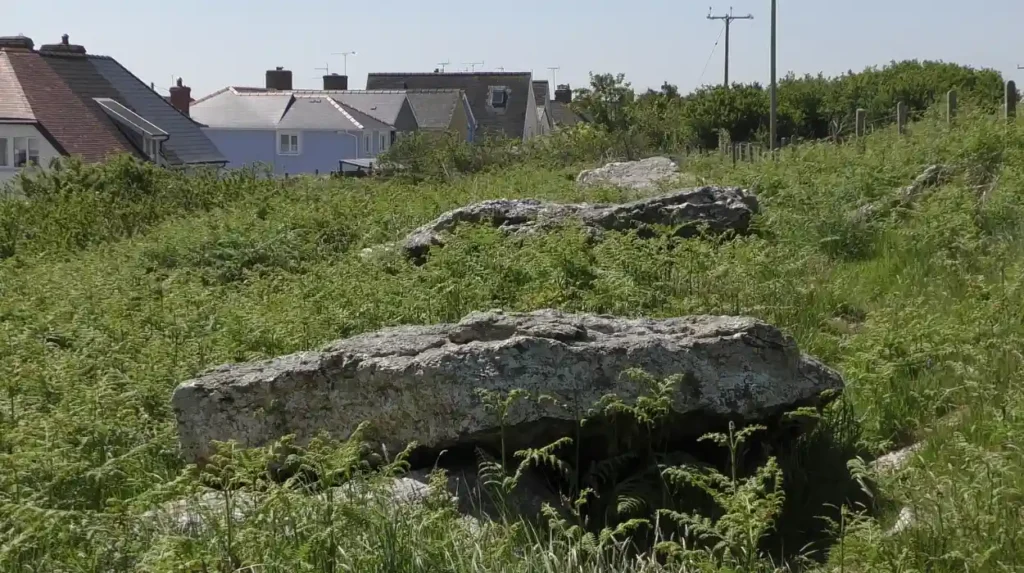
The strategic planning behind the 1797 campaign formed part of a larger French naval plan to distract the British military during the French Revolutionary Wars. The invasion fleet consisted of two frigates named Vengeance and Résistance, the corvette Constance, and the lugger Vautour, sailing under false American colors to avoid interception. Upon reaching Carreg Wastad Point, the French troops disembarked with limited rations, light arms, and insufficient artillery. The rugged coastal topography made moving heavy equipment inland virtually impossible, forcing the troops to scavenge neighboring farms for food and supplies immediately after landing.
Local response to the French landing was swift, organized, and unexpected by the invading commanders. Lord Cawdor assembled a defense force of 600 men, comprising the Castlemartin Yeomanry, the Cardiganshire Militia, and local armed civilians. A local woman named Jemima Nicholas famously confronted and captured 12 French soldiers armed only with a pitchfork, becoming a national hero. French discipline collapsed as troops consumed captured Portuguese wine stored in local farmhouses, rendering many soldiers unfit for combat. Recognizing his isolated position and facing rumored British reinforcements, Colonel William Tate signed surrender terms at the Royal Oak public house in Fishguard.
The military aftermath of the short conflict resulted in the capture of all surviving French soldiers and the seizure of their naval transports by the Royal Navy. The captured French troops were held in temporary prison camps across Pembrokeshire and England before being repatriated in prisoner exchanges. The Battle of Fishguard demonstrated severe flaws in French naval coordination while boosting British military morale during the revolutionary period. Today, the landing site at Carreg Wastad Point features a memorial stone erected in 1897 to commemorate the centenary of the surrender, serving as a permanent historical monument to the conflict.
What Architectural and Urban Legacies Remain in French Wales?
The architectural legacy of French Wales appears in Norman castle fortresses, Cistercian abbeys, urban town planning, and nineteenth-century civic infrastructure across Welsh counties. Norman military architecture introduced stone Keep design, concentric curtain walls, and fortified gatehouses to sites such as Chepstow Castle, Pembroke Castle, and Caerphilly Castle. French Cistercian monastic designs dictated the layout of religious complexes, utilizing Gothic pointed arches, vaulted ceilings, and standardized cloister plans. In coastal towns, French maritime engineering influenced dockyard constructions during the Industrial Revolution. These structures demonstrate the direct transfer of French engineering methodologies into Welsh urban and rural environments across nearly one thousand years.
Norman castle construction transformed the defensive geography of Wales between 1067 and 1283. Chepstow Castle, built in 1067 under the direction of William FitzOsbern, stands as the oldest surviving post-Roman stone fortification in Britain, incorporating Norman rectangular keep architecture. Pembroke Castle, founded in 1090, utilized French defensive innovations including massive round keep structures and domed stone roofs designed to resist siege weapons. These castles served dual functions as military strongholds and administrative centers for Norman lords governing Welsh populations. The construction methods introduced by French engineers set the structural standard for subsequent castle building campaigns throughout the region.
Monastic architecture introduced by French religious orders reshaped the rural landscape of medieval Wales. The Cistercian order, originating from Cîteaux Abbey in France, established 13 abbeys in Wales between 1131 and 1226, including Margam Abbey and Strata Florida Abbey. These monastic complexes utilized simple, elegant Gothic architectural forms characterized by lancet windows, rib-vaulted ceilings, and expansive stone chapter houses. The architectural layout followed strict Cistercian blueprints designed in France, emphasizing functional space for daily prayer, manuscript creation, and agricultural management. The remains of these abbeys continue to showcase classic French medieval stonemasonry techniques today.
Nineteenth-century industrial development introduced French engineering concepts to Welsh port facilities and civic projects. French civil engineers collaborated with British industrial developers to design ironworks, maritime docks, and transport routes across South Wales. Urban architecture in Cardiff and Swansea incorporated French Second Empire revival styles during the late Victorian era, featuring mansard roofs, ornamental ironwork, and detailed stone facades. Civic buildings, market halls, and commercial arcades built during this period reflect continental architectural trends adapted for Welsh urban environments. These physical landmarks maintain a visible record of historical French influence within modern Welsh towns.
How Did French Culture and Language Influence Welsh Traditions?

French language, culinary customs, literature, and maritime trade traditions left distinct traces on Welsh cultural identity through centuries of interaction. Anglo-Norman French served as the official language of law, administration, and high culture in medieval Wales for over two centuries, introducing hundreds of loanwords into the Welsh language. Breton sailors from western France maintained regular contact with Welsh communities, sharing closely related Celtic languages and musical heritage. French culinary imports, including wine processing methods, baking techniques, and cheese production processes, influenced local Welsh foodways. These integrated cultural practices highlight the enduring cross-cultural exchange between France and Wales.
Linguistic contact between Anglo-Norman French and the Welsh language modified regional vocabulary and administrative terminology during the medieval period. Words associated with governance, legal procedures, military affairs, and domestic architecture entered Welsh usage directly from French roots. For example, Welsh words such as castell from castle, barwn from baron, and cwrt from court originate from Norman French linguistic foundations. Educated Welsh bards and scholars read French literature, adapting chivalric romances and Arthurian tales from French authors such as Chrétien de Troyes into medieval Welsh prose cycles like the Mabinogion.
Linguistic affinity between Wales and Brittany, a historical region of northwestern France, created a specialized sub-branch of cultural exchange. The Breton language shares deep Brythonic Celtic roots with Welsh, allowing mutual intelligibility between native speakers of both tongues. In the nineteenth and twentieth centuries, Breton onion vendors, known as Onion Johns, traveled across Wales selling produce directly to local households on bicycles. These vendors built close personal relationships with Welsh families, as their shared Celtic language allowed them to communicate easily without speaking English. This seasonal trade tradition reinforced folk connections between Brittany and Wales for decades.
Culinary and social customs also registered the impact of continuous French trade and migration. Maritime trade with Bordeaux made French wines accessible across coastal Welsh towns, establishing wine cellars in major ports such as Swansea and Cardiff. Traditional Welsh cooking incorporated imported French spices, dried fruits, and vinegar through merchant ports. Modern cultural exchanges continue through formal twin-town partnerships connecting Welsh communities with French counterparts, such as Aberystwyth twinning with Saint-Brieuc. Educational exchange programs, choral tours, and cultural festivals preserve these historical connections within contemporary Welsh society.
What Is the Modern Impact of French Wales on Tourism and Diplomacy?
The modern impact of French Wales is evident in historical tourism, academic research, diplomatic partnerships, and bilateral economic investments across both regions. Sites associated with the 1797 invasion at Fishguard attract thousands of international visitors annually, supporting local museums, historical trails, and heritage reenactments. Twinning agreements between Welsh and French towns foster educational exchanges, arts initiatives, and municipal cooperation projects across the European continent. Bilateral trade initiatives between Wales and France cover renewable energy development, aerospace manufacturing, and agricultural exports. These contemporary connections transform centuries of historical interaction into active economic and cultural partnerships.
Heritage tourism centered around French historical events provides significant economic support to rural Welsh communities. The town of Fishguard features the Last Invasion Tapestry, a 30-meter embroidered artwork created by local artists in 1997 to commemorate the bicentenary of the 1797 landing. Displayed at the Fishguard Town Hall, this visual record draws military historians and tourists from around the world. Walking trails along Carreg Wastad Point feature educational signage, guided tours, and historical markers explaining the tactical movements of French and British forces. These preserved heritage sites sustain local hospitality businesses while educating the public on Franco-Welsh military history.
Diplomatic and regional cooperation between the Welsh Government and French regional authorities has grown formally in recent decades. Wales and the region of Brittany signed an official Memorandum of Understanding to collaborate on economic development, marine energy technologies, and cultural preservation. Educational partnerships between Welsh universities, such as Cardiff University and Aberystwyth University, and French institutions facilitate joint research programs in European history, linguistics, and environmental science. These diplomatic frameworks enable continuous knowledge transfer and shared innovation between the two territories.
Economic relations between France and Wales remain robust across major industrial sectors including aerospace, manufacturing, and green technology. Major European aerospace companies such as Airbus operate extensive manufacturing facilities in Broughton, North Wales, linking Welsh engineering labor directly to French aviation hubs in Toulouse. Trade agreements facilitate the export of Welsh lamb, sea slate, and manufactured components directly to French markets via Channel freight routes. Contemporary business investments ensure that the historical relationship between France and Wales evolves into a modern economic partnership within global markets.
Frequently Asked Questions
What was the Last Invasion of Britain in 1797?
The Last Invasion of Britain occurred on February 22, 1797, when 1,400 French soldiers landed at Carreg Wastad Point near Fishguard, Wales. Led by Colonel William Tate, the force surrendered to local militia led by Lord Cawdor within 54 hours on February 24, 1797.
Why did French forces attack Wales during the Battle of Fishguard?
The French Directory planned the attack to divert British military resources during the French Revolutionary Wars. The strategic goal was to land troops in rural Wales, incite a local revolt against the British monarchy, and march toward major English industrial cities.
How did Norman French castles shape Welsh geography?
Norman lords constructed stone fortresses across Wales starting in 1067 to consolidate territorial control and establish Marcher Lordships. Castles such as Chepstow and Pembroke introduced French engineering techniques, concentric defenses, and permanent administrative centers that transformed Welsh regional geography.
Are Breton and Welsh languages related?
Yes, Breton and Welsh are both Brythonic Celtic languages sharing common linguistic roots. Native speakers of Breton from France and Welsh from Wales share similar vocabulary and structural grammar, allowing basic mutual understanding between the two regional languages.
Where can tourists see French historical sites in Wales today?
Tourists can visit Carreg Wastad Point and the Last Invasion Tapestry in Fishguard, Pembrokeshire, to learn about the 1797 invasion. Additional French historical sites include Norman fortresses like Chepstow Castle and Cistercian religious ruins such as Tintern Abbey.