

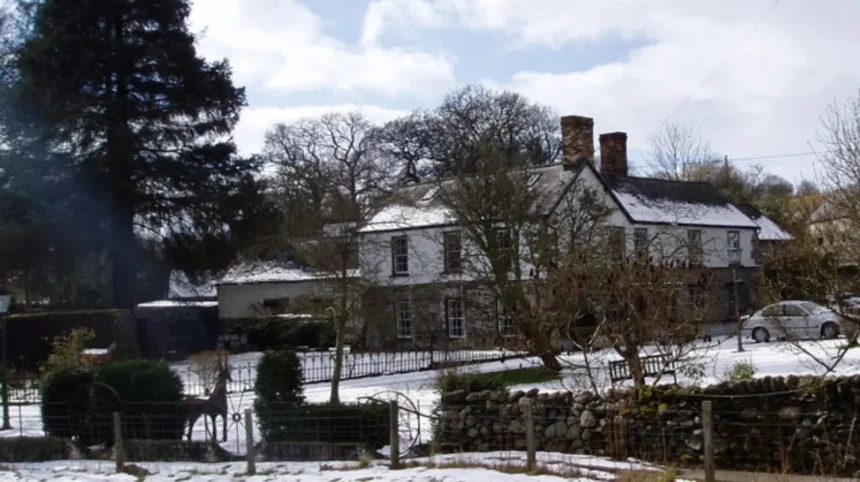
The Druid Inn Wales represents a historic public house established during the eighteenth century to provide shelter, sustenance, and community gathering spaces within regional Welsh settlements. The physical structure incorporates traditional stone masonry timber framework and local architectural methods that reflect regional heritage across centuries of continuous operation.
- What role does the Druid Inn play in modern Welsh hospitality and culture?
- What are the architectural specifications and physical preservation standards of the building?
- What impact does the Druid Inn have on regional tourism and the local economy?
- What are the legal requirements and procedures for managing lost or stray dogs in Wales?
- How do technology and microchipping improve lost dog recovery rates across Wales?
- What preventative measures and search protocols should dog owners follow during a loss event?
- Frequently Asked Questions
The establishment originated as an essential coaching stop for travellers and local workers navigating rural trade routes across Wales. Historical records indicate that public houses named after druidic heritage emerged during the eighteenth and nineteenth centuries, coinciding with the Celtic Revival movement across Great Britain. These establishments provided lodging, horse stables, and social meeting spaces for agricultural communities. Architectural features of the Druid Inn include thick limestone exterior walls, slate roofing sourced from local quarries, and central hearth fireplaces designed to withstand severe maritime weather conditions. The structural preservation of these buildings offers concrete evidence of eighteenth-century building techniques. Public record archives confirm that continuous commercial operation maintained the building integrity through mandatory structural maintenance. Over three centuries, ownership transitions adapted internal layouts from basic tavern chambers to modern hospitality dining spaces. The preservation of original oak beams and masonry hearths maintains tangible connections to historical Welsh rural infrastructure.
What role does the Druid Inn play in modern Welsh hospitality and culture?
The Druid Inn functions as an active cultural hub providing regional gastronomy community events and eco-tourism hospitality rooted in Welsh culinary traditions. Modern operations focus on sourcing verified local produce supporting local agricultural supply chains while preserving historic hospitality customs.
Contemporary public houses in Wales serve as crucial operational anchors for regional economic stability and rural tourism. The Druid Inn integrates seasonal menus featuring local livestock, cheese production, and seafood harvested from nearby coastal or river ecosystems. Economic data from tourism boards indicate that traditional inns generate substantial rural employment and sustain regional food producers across the country. Community functions hosted within the establishment include local assembly meetings, cultural music performances, and traditional storytelling gatherings. Modern infrastructure modifications incorporated commercial kitchen hygiene standards, accessibility ramps, and digital reservation systems without compromising the historical structural aesthetic. Hospitality research demonstrates that heritage pubs attract international tourists seeking authentic cultural immersion over standardized modern hotels. The integration of local dialects, historical displays, and regional ales reinforces cultural identity preservation within small Welsh communities. Sustainable tourism initiatives at the location promote responsible walking tours and nature conservation campaigns across surrounding countryside trails.
What are the architectural specifications and physical preservation standards of the building?
The physical structure of the Druid Inn showcases traditional Welsh vernacular architecture featuring load-bearing stone walls hearth structures and slate roof assemblies. Maintenance guidelines adhere to historic building conservation standards ensuring structural safety alongside heritage preservation.
Constructed using locally quarried fieldstone held together by historical lime mortar mixes, the building exterior demonstrates high resistance to moisture and thermal fluctuations. The walls measure between two and three feet in thickness, providing natural thermal insulation throughout changing seasonal cycles. Roof structures utilize Welsh blue slate tiles secured with copper fittings over heavy timber rafters. Interior layouts feature timber joists, exposed support beams, and stone floor flagging in original ground-level taprooms. Conservation legislation in the United Kingdom mandates strict preservation protocols for historic commercial buildings, requiring heritage consent before executing structural alterations. Maintenance procedures require specialist stonemasons to apply breathable lime renders rather than modern cement, which prevents internal moisture retention and timber decay. Archaeological assessments of similar regional public houses reveal sub-floor drainage networks designed in the nineteenth century to manage groundwater runoff. Modern compliance safety measures require hidden fire-retardant timber coatings and discreet electrical rewiring to meet British Building Regulations while retaining original aesthetic features.
What impact does the Druid Inn have on regional tourism and the local economy?

The Druid Inn generates direct revenue for local agricultural suppliers hospitality staff and regional tourism operators across northern and mid-Wales. The establishment serves as an essential destination point for heritage tourism walking trails and regional leisure routes.
Economic multipliers within rural Welsh communities depend heavily on independent food and beverage establishments operating as tourism anchors. Visitors to the Druid Inn spend capital on lodging, transportation, local guide services, and retail crafts in surrounding villages. Tourism industry statistics confirm that heritage pubs generate higher per-visitor expenditure compared to modern fast-service venues. Supply chain linkages ensure that agricultural producers within a twenty-mile radius sell beef, lamb, dairy, and vegetables directly to the inn kitchen. Employment opportunities provided by the establishment retain young workers within rural demographics, countering youth migration toward major urban centres.
Furthermore, local walking clubs, cycling associations, and outdoor uk/sports/">sports groups utilize the inn as a designated base point, boosting off-season tourism revenue between October and March. Local council assessments highlight that well-preserved historic pubs increase adjacent residential property values and enhance overall village viability. Revenue reinvestment by property owners funds ongoing structural restoration, protecting tangible cultural heritage for future generations.
Read More: Interested in Welsh culture and historical landmarks? Read our guide onwhat essential facts define the country of Wales.
Related Article: Explore architectural history by viewingthe historical and architectural significance of Cymer Abbey.
How Does DogLost Wales Assist Pet Reunification Efforts?
DogLost Wales operates as a structured volunteer network and digital database dedicated to reporting tracing and reuniting lost or stolen dogs across Welsh communities. The organization coordinates local volunteers, social media alerts, and microchip database checks to restore missing dogs to verified owners.
Pet loss creates immediate distress for owners and presents public animal welfare challenges for local authorities across Wales. DogLost Wales functions as a specialized regional division of the nationwide DogLost framework, established to provide free community support for missing pet cases. The platform allows owners to create detailed digital missing posters containing dog descriptions, unique identification markings, last known locations, and contact information. Volunteer coordinators distribute these alerts across localized social networks, regional veterinary clinics, rescue shelters, and local council dog warden teams. Statistical data from pet recovery organizations show that rapid alert distribution within the first twenty-four hours increases successful reunification rates significantly. The platform operates continuously, enabling real-time sightings reporting and coordinated physical search efforts in rural and urban environments. By providing a centralized, non-profit reporting portal, DogLost Wales reduces the burden on local police forces and animal welfare charities.
What are the legal requirements and procedures for managing lost or stray dogs in Wales?
The Control of Dogs Order 1992 and Microchipping of Cats and Dogs Regulations require compulsory identification tags and registered microchips for all dogs in public spaces. Local councils hold legal responsibility for collecting stray dogs and maintaining statutory holding kennels for seven clear days.
UK legislation governs stray animal procedures to protect public safety and ensure animal welfare standards. Under the Environmental Protection Act 1990, local authorities in Wales designate dog wardens to capture and secure unattended dogs found in public places. When a stray dog is collected, wardens scan the animal for an ISO-standard microchip to identify registered owner details held in approved UK databases like Petlog. If ownership cannot be established immediately, the animal is placed in municipal holding kennels for a statutory seven-day period, during which the owner may claim the dog upon paying seizure fees.
Failure to claim the dog within seven days transfers legal ownership to the local authority or designated rehoming charity. DogLost Wales collaborates with wardens, veterinary surgeons, and rescue organizations to cross-reference found dog reports against missing dog listings, ensuring rapid verification before legal ownership rights expire.
How do technology and microchipping improve lost dog recovery rates across Wales?
Microchip technology provides permanent non-alterable identification stored in centralized databases linked directly to owner records. Digital reporting platforms combine database cross-matching geolocation tracking and community alerts to streamline recovery operations.
Transponder microchips, injected under the canine skin between the shoulder blades, contain a unique fifteen-digit code readable by radio frequency identification scanners. Veterinary surgeries, rescue shelters, and council wardens across Wales use handheld scanners during initial intake procedures. The Microchipping of Dogs (Wales) Regulations mandate that owners keep database records updated following address or telephone modifications.

Outdated database information represents the leading cause of failed reunifications for microchipped animals. Digital platforms like DogLost integrate photographic recognition data and mapped sighting markers to track lost dog movements across complex terrain. Volunteers utilize thermal imaging equipment, wildlife trail cameras, and humane traps under professional supervision when searching for feral or highly anxious escaped dogs in dense rural habitats. Data analytics confirm that combining microchip technology with active community search networks yields the highest overall pet recovery percentages.
What preventative measures and search protocols should dog owners follow during a loss event?
Immediate search protocols require notifying local council dog wardens veterinary practices national microchip databases and community lost pet platforms. Preventative measures involve maintaining secure fencing fitting collar tags and routinely updating registered contact details.
When a dog strays or disappears, immediate execution of systematic search steps dramatically improves recovery probability. Owners must search the immediate vicinity first, utilizing familiar scents, vocal calls, and established walking routes. Formal notifications must be filed immediately with the relevant local authority dog warden service, nearby veterinary clinics, animal rescue centers, and police non-emergency lines if theft is suspected. Registering an active missing alert on DogLost Wales triggers local volunteer notifications and generates digital posters for physical placement near the disappearance location. Physical posters should display clear full-body photographs, specific anatomical features, time of loss, and direct phone contact numbers while avoiding high-value reward disclosures that may invite scam calls. Preventative care requires inspecting property boundaries for escape points, utilizing double-leash systems for newly adopted rescue dogs, and maintaining active GPS tracking collars for off-leash exercise in rural Welsh terrain.
Frequently Asked Questions
What should I do immediately if I find a stray dog in Wales?
Check the dog for a collar tag containing owner contact details and attempt direct telephone contact if safe to do so. If no tag exists, contact your local council dog warden service or a nearby veterinary surgery to perform a microchip scan. Avoid taking the dog into your home permanently without reporting it to legal authorities.
How long do local councils keep stray dogs before rehoming them?
Welsh local authorities are legally required to hold stray dogs in municipal kennels for seven clear days. During this statutory period, owners can claim their pet after paying applicable administrative and kenneling fees. After seven days, legal ownership transfers to the council or an authorized animal welfare charity.
Is microchipping compulsory for all dogs in Wales?
Microchipping is mandatory for all dogs over eight weeks of age under Welsh law. Owners must keep their contact information updated in a compliant UK microchip database. Failure to comply or update details can result in formal enforcement notices and financial fines.