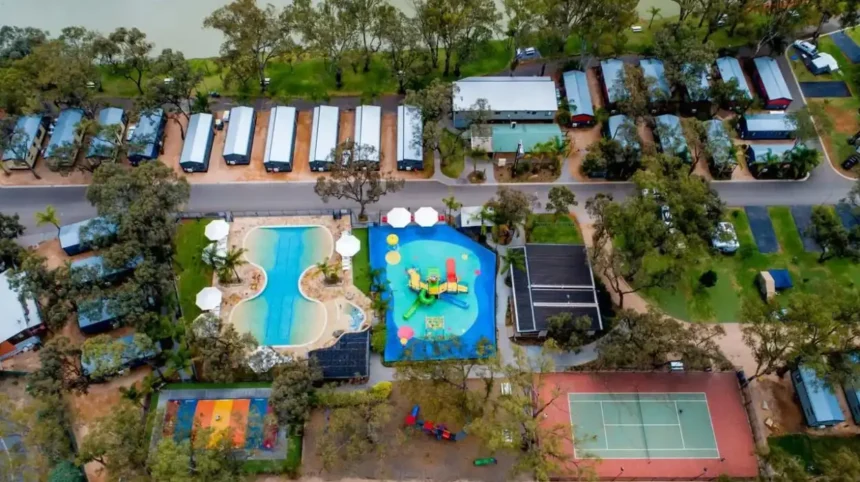
Holiday parks in Wales are commercial self-contained lodging resorts that provide static caravans, luxury lodges, glamping pods, and touring pitches across coastal and countryside destinations. These parks operate by renting short-term accommodations, providing shared recreational infrastructure, and offering direct access to natural landscapes.
- What Is the History of Holiday Park Development in Wales?
- What Types of Accommodations Are Available in Welsh Holiday Parks?
- Where Are the Primary Locations for Holiday Parks Across Wales?
- What Amenities and Facilities Are Standard in Modern Holiday Parks?
- How Do Holiday Parks Contribute to the Welsh Tourism Economy?
- What Are the Environmental and Sustainability Practices of Welsh Holiday Parks?
- What Planning Regulations and Laws Govern Holiday Parks in Wales?
- How Do Guests Choose the Right Holiday Park in Wales for Their Vacation?
- What Are the Future Trends Shaping the Welsh Holiday Park Industry?
- Frequently Asked Questions
Holiday parks function as structured tourism complexes governed by specific UK leisure land-use regulations. Operators maintain private grounds containing individual rental units, utility networks, and communal service facilities. Guests reserve specific accommodation types for short-term stays, typically ranging from three nights to two weeks. Revenue models rely on accommodation rentals, site fee collections from private caravan owners, and secondary spending on food, beverage, and leisure activities. Management teams coordinate site maintenance, guest check-ins, security, and activity programming. The operational framework ensures self-sufficiency, supplying guests with electricity, water, waste management, and retail access within the property boundaries. Holiday parks form a major sector of the UK domestic tourism economy, absorbing millions of visitors annually while reducing pressure on traditional urban hotel infrastructure.
What Is the History of Holiday Park Development in Wales?
Holiday park development in Wales began in the early 20th century as coastal camping grounds for industrial workers from North West England and South Wales. The industry expanded rapidly post-WWII, transitioning from tents to static caravans and modern luxury eco-lodges.
The origin of organized holiday accommodation in Wales dates back to the 1930s when trade union agreements secured paid holidays for factory workers. Coastal locations in Flintshire, Denbighshire, and Vale of Glamorgan became primary destinations due to direct railway connections. Early accommodation consisted of temporary canvas tents and basic wooden huts without integrated plumbing. Post-World War II economic growth during the 1950s led to the installation of permanent static caravans on concrete bases. Local authorities established planning boundaries to regulate land development along the Irish Sea coastline. During the 1980s, corporate operators consolidated independent sites, introducing indoor pool complexes, entertainment centers, and standardized safety infrastructure. Modern developments focus on low-density eco-lodges, renewable heating integration, and high-speed communications, reflecting shifts in traveler preferences toward sustainable luxury staycations.
What Types of Accommodations Are Available in Welsh Holiday Parks?
Welsh holiday parks offer static caravans, timber eco-lodges, luxury glamping tents, traditional touring caravan spaces, and tent pitching areas. Each accommodation category features distinct layouts, utility connections, price tiers, and occupancy capacities designed to suit diverse travel budgets.
Accommodation design within holiday parks varies to accommodate different consumer demographics and length of stay. Static caravans represent the majority of inventory, featuring structured sheet-metal walls, multiple bedrooms, open-plan living zones, and integrated gas heating systems. Luxury timber lodges offer larger square footage, enhanced thermal insulation, double-glazed windows, and private outdoor decking often fitted with hot tubs. Glamping options include weather-resistant canvas safari tents, wooden pods, and restored yurts equipped with electrical outlets and real beds. Touring pitches provide concrete or hardstanding pads fitted with individual freshwater taps, greywater drains, and 16-amp electric hookup points for recreational vehicles. Camping fields provide open grass areas with central toilet and shower block access. Accommodation units adhere to strict national fire safety regulations and structural stability standards set by British leisure park authorities.
Where Are the Primary Locations for Holiday Parks Across Wales?
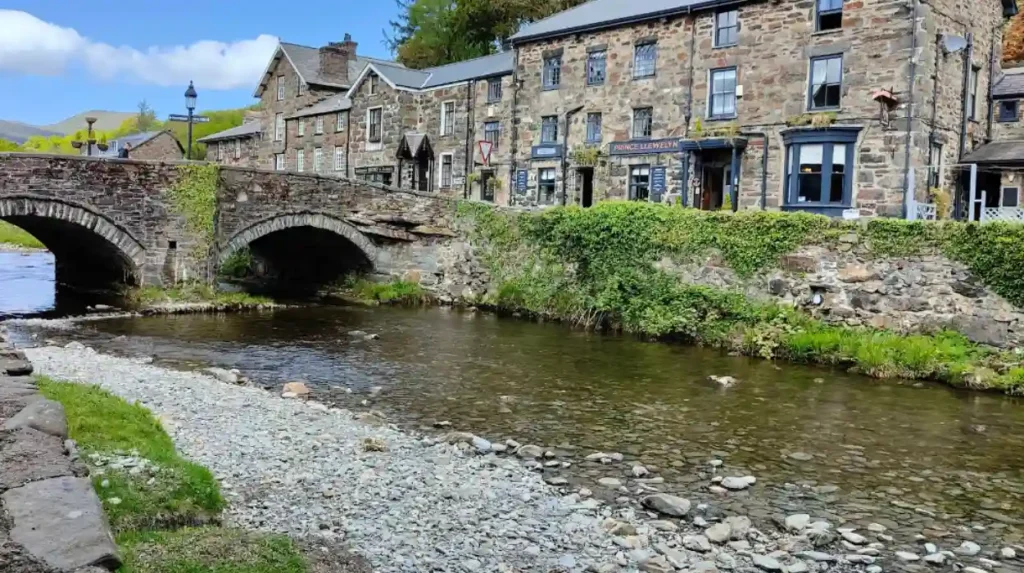
The primary locations for holiday parks in Wales are North Wales coastal strip, Pembrokeshire peninsula, Ceredigion coastline, and Carmarthenshire countryside. These geographic regions provide direct access to national parks, sandy beaches, coastal paths, and historical castles.
Geographic distribution of holiday parks aligns with natural topography, transport corridors, and protected environmental designations. North Wales hosts a high density of sites along the Prestatyn, Rhyl, Towyn, and Llandudno coastal belt, offering access to Eryri National Park (Snowdonia). Pembrokeshire features parks situated near Tenby, Saundersfoot, and St Davids, clustered around the Pembrokeshire Coast National Park. Ceredigion sites focus around Cardigan Bay, including Aberystwyth and New Quay, where coastal topography supports cliff-top views. Mid and South Wales park developments align with the Brecon Beacons (Bannau Brycheiniog) and Gower Peninsula, providing access to mountain trails and designated Areas of Outstanding Natural Beauty. Regional site placements are strictly governed by Welsh National Development Framework policies to limit urban sprawl and protect sensitive coastal habitats.
What Amenities and Facilities Are Standard in Modern Holiday Parks?
Modern Welsh holiday parks feature indoor heated swimming pools, outdoor splash zones, licensed restaurants, entertainment venues, adventure playgrounds, and sports courts. Facilities also include convenience stores, self-service laundrettes, dog-washing stations, and EV charging points.
On-site amenities are engineered to maximize guest retention, comfort, and satisfaction during multi-day vacation stays. Water leisure infrastructure typically comprises temperature-controlled indoor pools fitted with water slides, sauna cabins, and shallow splash areas for children. Food and beverage venues range from fast-casual takeaway options to full-service family pubs using locally sourced Welsh ingredients. Entertainment halls deliver structured evening programming, including live musical performances, bingo games, and children’s character shows. Outdoor sports facilities include artificial turf multi-use games areas, mini-golf courses, ziplines, and direct beach access tracks. Utility support facilities feature commercial-grade coin-operated laundry machines, EV charge points, and high-bandwidth Wi-Fi networks. Maintenance staff manage chemical filtration in pools, equipment checks, and facility hygiene continuously according to national health standards.
How Do Holiday Parks Contribute to the Welsh Tourism Economy?
Holiday parks contribute over £1 billion annually to the Welsh economy by driving regional tourist spending, funding infrastructure, and creating year-round employment. They support local supply chains, retail shops, transport services, and regional attraction venues.
Economic impact analyses demonstrate that leisure parks serve as primary economic drivers in rural and coastal Welsh counties. Visitor expenditure within holiday parks generates tax revenues and directly supports off-site local businesses, including food producers, pubs, fuel stations, and heritage sites. Direct employment creation spans site management, hospitality services, housekeeping, grounds maintenance, and specialized lifeguarding positions. Indirect economic benefits occur through supply chain contracts awarded to regional trade contractors, security firms, and food wholesalers. Park operators invest capital into regional road upgrades, flood defenses, and biodiversity management projects to satisfy planning permission conditions. The sector provides essential economic stability to coastal towns that experience seasonal declines in manufacturing or traditional agricultural activity during winter months.
What Are the Environmental and Sustainability Practices of Welsh Holiday Parks?
Welsh holiday parks implement environmental sustainability practices by using solar energy arrays, rainwater harvesting, biomass heating, and waste recycling systems. Operators prioritize native species planting, dark-sky lighting schemes, and coastal erosion monitoring to protect local ecosystems.
Environmental management frameworks across Welsh holiday parks focus on minimizing resource consumption and preserving surrounding habitats. Renewable energy installations, such as rooftop photovoltaic panels and ground-source heat pumps, power central entertainment complexes and indoor swimming facilities. Water conservation protocols incorporate low-flow shower fittings, greywater recycling systems, and permeable paving to control surface runoff into nearby rivers. Waste management protocols mandate multi-stream recycling sorting stations to divert plastic, glass, cardboard, and organic waste from landfill sites. Landscaping initiatives prioritize planting native flora like gorse, heather, and broadleaf trees to support indigenous pollinators and bird populations. Parks located near sensitive marine areas participate in international Blue Flag beach certifications and local conservation initiatives to reduce coastal footprint.
What Planning Regulations and Laws Govern Holiday Parks in Wales?
Welsh holiday parks are governed by the Caravan Sites and Control of Development Act 1960, Town and Country Planning Act 1990, and Welsh Government planning guidelines. Regulations control occupancy dates, site density, safety distance rules, and environmental assessments.
Legal compliance requires site operators to maintain valid site licenses issued by local county councils in Wales. Licensing conditions enforce minimum 6-meter separation distances between static accommodation units to mitigate structural fire risks. Environmental health laws dictate strict standards for drinking water quality, sewage treatment, electrical safety inspections, and public swimming pool management. Planning consents dictate operational seasons, with many parks limited to 10 or 11-month licenses to prevent static units from being used as primary residential addresses. Developers seeking site expansion must clear Environmental Impact Assessments evaluating impact on traffic volumes, local water tables, protected species, and landscape visuals. Non-compliance results in heavy financial penalties, license revocation, or enforcement notices requiring site restoration.
How Do Guests Choose the Right Holiday Park in Wales for Their Vacation?
Guests select the ideal holiday park in Wales by evaluating location proximity, accommodation type, budget constraints, child-friendly facilities, and pet policy rules. Reviewing site rules, accessibility features, and travel connections ensures the chosen park matches specific group requirements.

Selecting appropriate holiday park lodging involves assessing multiple functional criteria aligned with party composition and activity preferences. Families prioritize sites containing indoor entertainment centers, organized youth clubs, and secured swimming areas to ensure activity access during wet weather conditions. Couples and mature travelers often select smaller, low-density eco-parks offering dark-sky views, quiet surroundings, and walking trail access over commercial entertainment complexes. Budget considerations require evaluating base rental rates against additional fees for linen hire, Wi-Fi access, pool passes, and pet registrations. Accessibility requirements necessitate confirming step-free accommodation ramps, wide doorway clearances, roll-in wet rooms, and accessible parking spaces. Travelers using public transit evaluate proximity to regional train stations like Rhyl or Swansea and local bus routes.
What Are the Future Trends Shaping the Welsh Holiday Park Industry?
Future trends shaping Welsh holiday parks include digital check-in automation, full year-round opening licenses, high-speed fiber internet, and luxury wellness offerings. Increasing domestic staycation demand drives continuous investment in sustainable lodge construction and electric vehicle infrastructure.
Industry evolution reflects shifts in consumer behavior, technological capabilities, and climate adaptation strategies across the United Kingdom. Operators are replacing legacy static caravans with highly insulated, timber-clad luxury lodges designed for year-round operational use. Digital integration streamlines guest experiences through mobile app check-ins, digital key access, online activity bookings, and high-speed Wi-Fi across remote coastal acreage. Wellness infrastructure is expanding beyond simple pools to include outdoor hydrotherapy spas, wood-fired saunas, yoga pavilions, and farm-to-table dining options. Sustainability requirements drive full electrification of park vehicle fleets and rapid expansion of high-speed EV charging networks. Long-term climate adaptation plans address rising sea levels along low-lying coastal boundaries through sea wall enhancements and natural flood management strategies.
Frequently Asked Questions
What is the best time of year to visit holiday parks in Wales?
The peak season runs from June through August, offering warm weather and full amenity schedules. Spring and autumn provide quieter stays, lower rates, and scenic landscape views across rural coastal sites.
Are holiday parks in Wales pet-friendly?
Many holiday parks in Wales accommodate dogs by providing designated pet-friendly lodges, dedicated walking fields, and outdoor wash stations. Guests must confirm specific site rules, breed policies, and pet fees prior to booking.
Can you live permanently in a Welsh holiday park caravan?
Most holiday parks operate under leisure licenses that prohibit permanent year-round residential living. Parks typically require guests to maintain a primary residential address elsewhere and close for at least one month annually.
Do holiday park bookings in Wales include entertainment passes?
Pass inclusions vary by operator and booking type. Major commercial parks often bundle pool access and evening entertainment passes into standard family packages, whereas independent eco-parks charge separately or focus strictly on quiet stays.
What should you pack for a self-catering holiday park stay in Wales?
Guests should pack personal toiletries, towels, kitchen essentials like dish soap, weatherproof clothing, and suitable footwear. While units supply basic cooking equipment, items such as specialized condiments, extra toilet rolls, and bedding vary by park.